An empty oyster shell looks like kitchen waste. Along Florida’s coasts, however, restaurants and restoration crews are giving those shells a second job by curing them and placing them in permitted waters where young oysters can attach and build reefs. The process is managed habitat restoration, not a mass dumping operation.
A widely shared version of the story says Florida returned more than 500,000 tons of oyster and clam shells to Gulf waters between 2007 and 2024. The official records reviewed for this article do not confirm that statewide number. Instead, they describe separate local programs and a broader Gulf Coast network, rather than one Florida project operating at that scale.
How shell recycling works
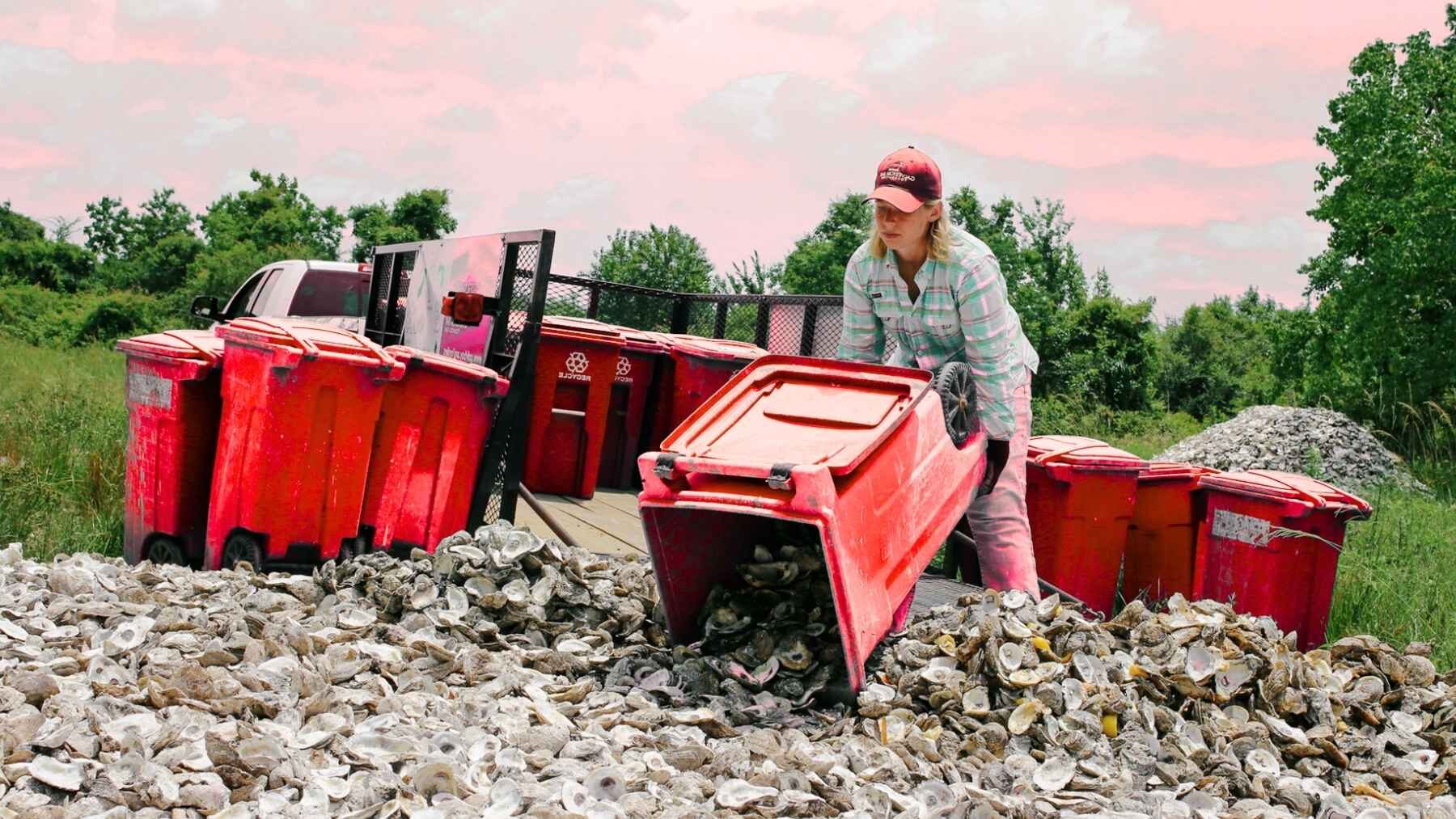
After a seafood dinner, participating restaurants save the shells instead of sending them to a landfill. Guidance from the University of Florida Institute of Food and Agricultural Sciences says Florida programs cure collected shell outdoors for at least three months, helping remove leftover tissue, bacteria, and parasites.
Once cleaned, the shell can be placed at permitted restoration sites as loose material, bags, mats, or vertical gardens. The Florida Department of Environmental Protection has worked with Keep Pensacola Beautiful since 2011 to collect restaurant shells in Escambia and Santa Rosa counties and use them as hard reef-building material.
Why oysters need old shells
Why would a young oyster choose an old shell? Oyster larvae begin life drifting in the water, but they eventually need a firm surface where they can attach for good. The settled juveniles are called spat, and recycled shells provide the texture and chemical signals they favor.
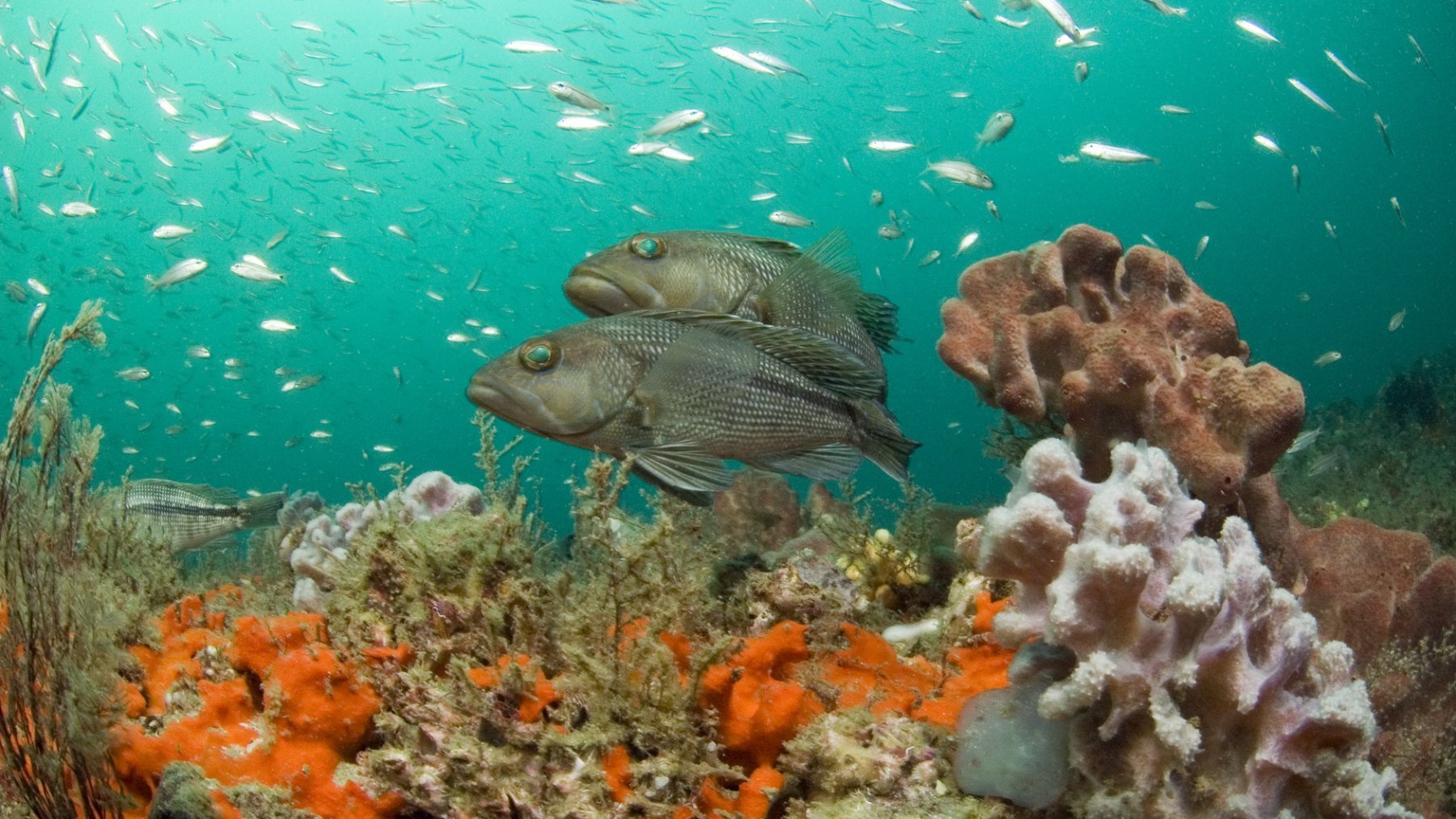
That hard base can start a much larger chain reaction. Under the right conditions, one adult oyster can filter up to 50 gallons of water a day, removing algae and excess nutrients, while the growing reef creates hiding and nursery space for fish, shrimp, crabs, and many other animals. Reefs can also soften wave energy and help limit shoreline erosion.
The verified numbers
The Pensacola and Perdido Bays Estuary Program launched its Oyster Alliance in August 2024. By October 2025, partner restaurants had supplied 155 tons of shells. That is a meaningful local result, but it is nowhere near a verified statewide total of 500,000 tons.
NOAA Fisheries also awarded $5 million in 2024 to expand oyster recycling and reef restoration through a network covering Louisiana, Florida, Alabama, and Texas. The project involves five established recycling programs and new regional work. It does not document a single Florida effort operating at the scale claimed online.
Florida does have a long-running project that began in 2007, but it is in Mosquito Lagoon on the Atlantic coast. The University of Central Florida reports that the effort has restored 97 reefs across about four acres and placed enough substrate to potentially support more than 14 million oysters. That record shows real progress, just not the Gulf-wide story now circulating.
What success really looks like
A peer-reviewed study led by Lisa G. Chambers and Linda J. Walters compared dead reefs, restored reefs of different ages, and natural reefs in Mosquito Lagoon. Many measures linked to nutrient cycling and sediment health rose within one year after successful restoration, and restored sites often resembled natural reference reefs.
But shells are not magic. The researchers found that results varied with the number of living oysters, reef thickness, and local nutrient conditions. In practical terms, crews still need the right site, suitable water, oyster larvae, careful placement, permits, and long-term monitoring.
The evidence supports a narrower and more useful conclusion. Properly collected and cured restaurant shells can keep material out of landfills, give new oysters a place to grow, improve habitat, and support cleaner water. The official sources reviewed here do not support the 500,000-ton Florida figure or a claim that shell recycling alone caused a statewide drop in harmful algal blooms.
The related peer-reviewed study was published in the journal Estuaries and Coasts.