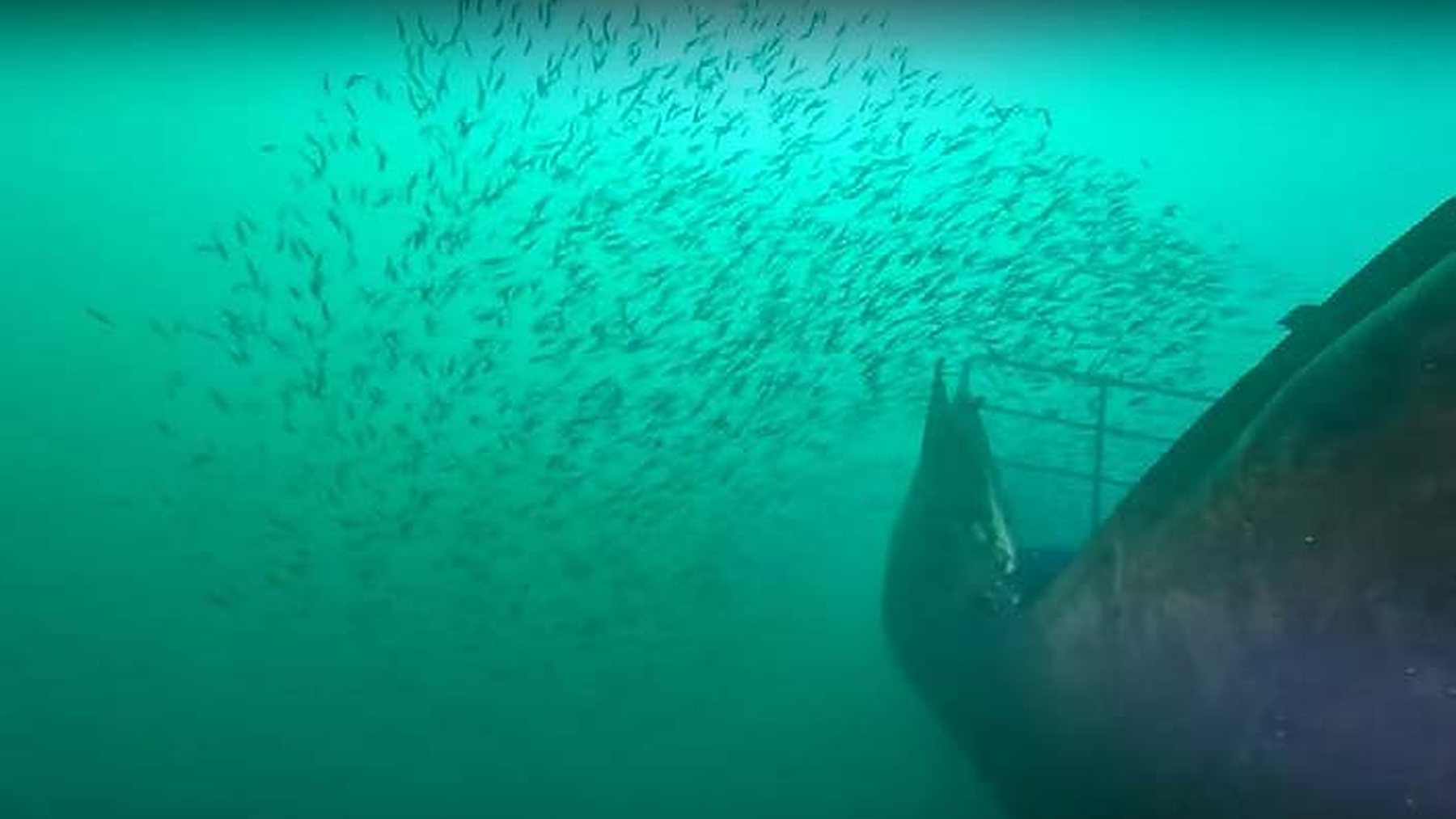
The MV Shingle, a former smuggling ship seized by Irish customs officers in June 2014 with 32 million illegal cigarettes on board, now lies on the floor of Killala Bay as Ireland’s first artificial reef. It was scuttled on September 18, 2024, between counties Mayo and Sligo.
According to the 2024 annual report of Ireland’s Revenue Commissioners, the wreck “is already supporting a new marine ecosystem as it is colonised by marine plants and creatures.” Getting it there took a decade. It also took a court case, an asbestos cleanup and a local campaign.
Stopped near Drogheda in 2014
Revenue officers, backed by Ireland’s police, intercepted the Shingle in June 2014 as it headed for Drogheda Port in County Louth. The agency says the operation followed months of intelligence work across several countries.
On board were 32 million cigarettes and 4.5 metric tons (about 9,900 pounds) of tobacco. Revenue put the potential loss to the state at €13 million.
Years tied up in Dublin
A 2018 chapter by Ireland’s Comptroller and Auditor General traces what happened next. The ship had sailed from Slovenia by way of Portugal, and officers moved it to Dublin Port the day after the seizure.
Nothing could be done with it until the legal case ended. In June 2017, after the appeals period, the High Court ordered the Shingle forfeited to the state.
Revenue first explored a sale, but surveys found a hull in poor condition with asbestos inside. A marine surveyor hired by the agency reported in March 2015, the auditors say, that the ship was “nothing but a liability” at its Dublin berth.
By August 2018, keeping the vessel had cost about €410,000. Most of that money went on lay-up fees charged by Dublin Port Company, and the auditors told Revenue to act faster on costly decisions. In its written reply, Revenue agreed and said the disposal had proven more difficult than usual.
Oils and asbestos came out
In the end, Revenue judged that selling the ship for reuse or scrap was not feasible. It turned to Killala Bay Ships 2 Reef, a local company that wanted to sink it as a reef.
Workers then stripped out oils, lubricants and asbestos, the annual report says. Revenue also obtained the licenses and planning permission the project needed.
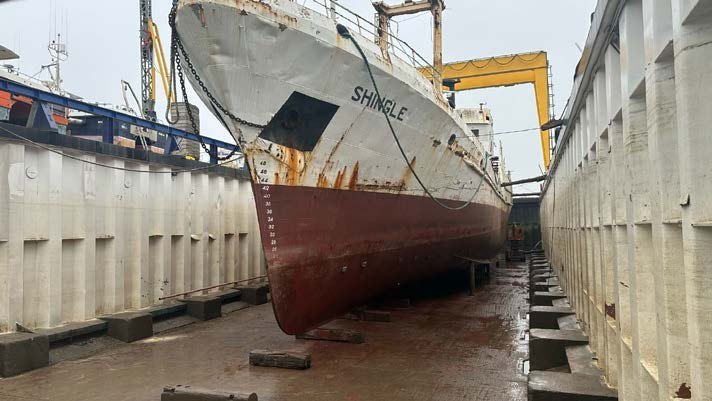
The agency says it consulted Ireland’s Marine Survey Office and Environmental Protection Agency before the sinking.
Florida took a cheaper route in the early 1970s. It dumped up to 2 million old tires into the Atlantic to build an artificial reef that became an ecological disaster.
A campaign that began in 2008
Mayo County Council says the local group had pushed for a reef since 2008. The council backed the plan together with Sligo County Council and describes the Shingle as a 60-meter (197-foot) steel-hulled cargo boat.
Revenue Commissioner Ruth Kennedy, then acting director general of customs, said the agency donated the ship “to encourage biodiversity and tourism in the area.” After the preparation works, the vessel was due to leave New Ross in County Wexford under tow.
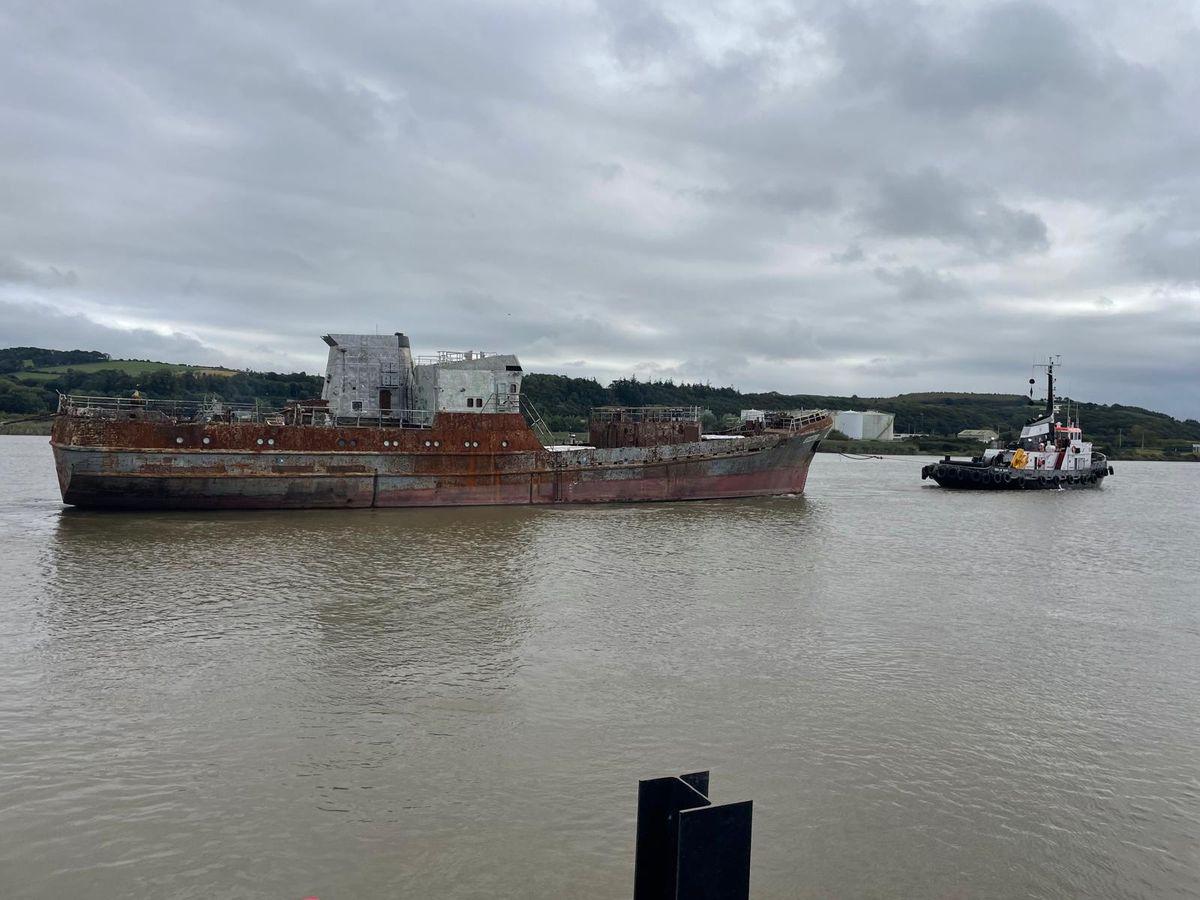
The council planned a livestream of the sinking for a public event at the Ocean Sands Hotel in Enniscrone. Since January 2025, a virtual marker from the Commissioners of Irish Lights has shown the wreck on ships’ electronic charts.
Both councils see the wreck mainly as a draw for divers. Joe Queenan, a Sligo councillor for the Enniscrone area, pointed to “the enormous economic potential in terms of bed nights and local spend.”
Fish schools around the hull
One underwater photo in Revenue’s report shows a dense school of small fish swirling past the ship’s bow railing. Its caption simply labels it as the Shingle underwater, with no species named. Mayo’s council had said artificial reefs are colonized within hours, first by algae and later by fish and larger animals.
Other sunken structures hint at what could follow. Off Narathiwat in Thailand, divers logged 53 fish species around army tanks and train cars sunk in 2010. Off Western Australia, two artificial reefs grew from a dozen fish species to more than 60.
In the United States, Florida is preparing a far larger reef from the 990-foot liner SS United States. Closer to home, Revenue says lessons from the Shingle are helping it dispose of another seized ship, the MV Matthew.
Borrowed fish or new fish
A school of fish at a wreck can mean new fish, or fish that swam over from nearby ground. A 2023 global review in Fish and Fisheries found that artificial reefs may cut fish numbers, at least in the short term.
Recreational anglers are part of the problem. Reefs help them find and catch fish, and the authors found those catch-driven losses showing up more often than the biological gains, which led them to describe some reefs as a “social-ecological trap.”
The review calls for robust assessments of those effects and for more formal decision-making when reefs are deployed. So far, neither Revenue nor the councils has published a count of what lives on the Shingle. Whether the wreck adds fish to Killala Bay, or only gathers them in one spot, is still an open question.
Revenue’s account of the seizure, the cleanup and the sinking appears in its 2024 annual report.
Photo: Revenue Commissioners