Archaeologists from the city of The Hague have found a gold ring that lay hidden for more than six centuries behind the Ridderzaal, the Knights’ Hall of the Binnenhof. The Dutch parliamentary complex is closed for renovation. The jewel lay among pottery in a medieval moat that was filled in around 1400.
Archaeologist Mignonne Lenoir made the find in early 2026, according to the official announcement from the Binnenhof renovation project. The text came out on October 15, 2026. Lenoir’s own verdict on the find, in Dutch, was “onverwacht” and “uitzonderlijk”: unexpected and exceptional.
Pottery jugs in a moat
The ring turned up during work next to the Grafelijke Zalen, the old halls of the counts of Holland. There the team hit the remains of a moat from the 13th or 14th century. It was part of a double ring of water around the Binnenhof.
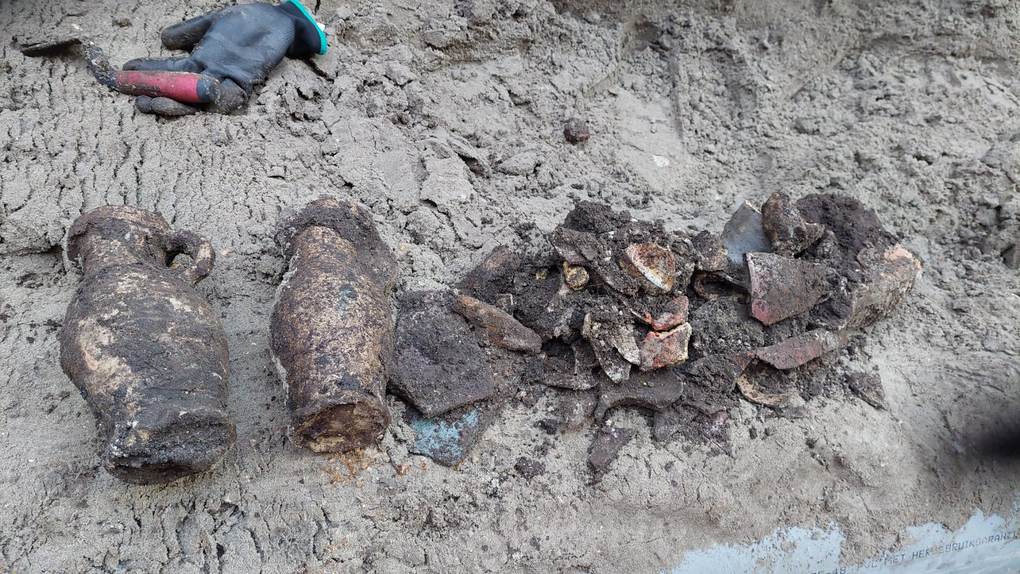
In the late 14th or early 15th century, the moat was filled with sand, rubble and waste. Inside the fill lay dozens of small jugs of protostoneware, an early hard-fired pottery. They date from the 13th and 14th centuries.
The gold ring sat right in among those centuries-old jugs, and the project has not said how it got there. Somebody could have lost it at the water’s edge, or it could have come in with a cartload of fill.
Seven letters spell STADICH
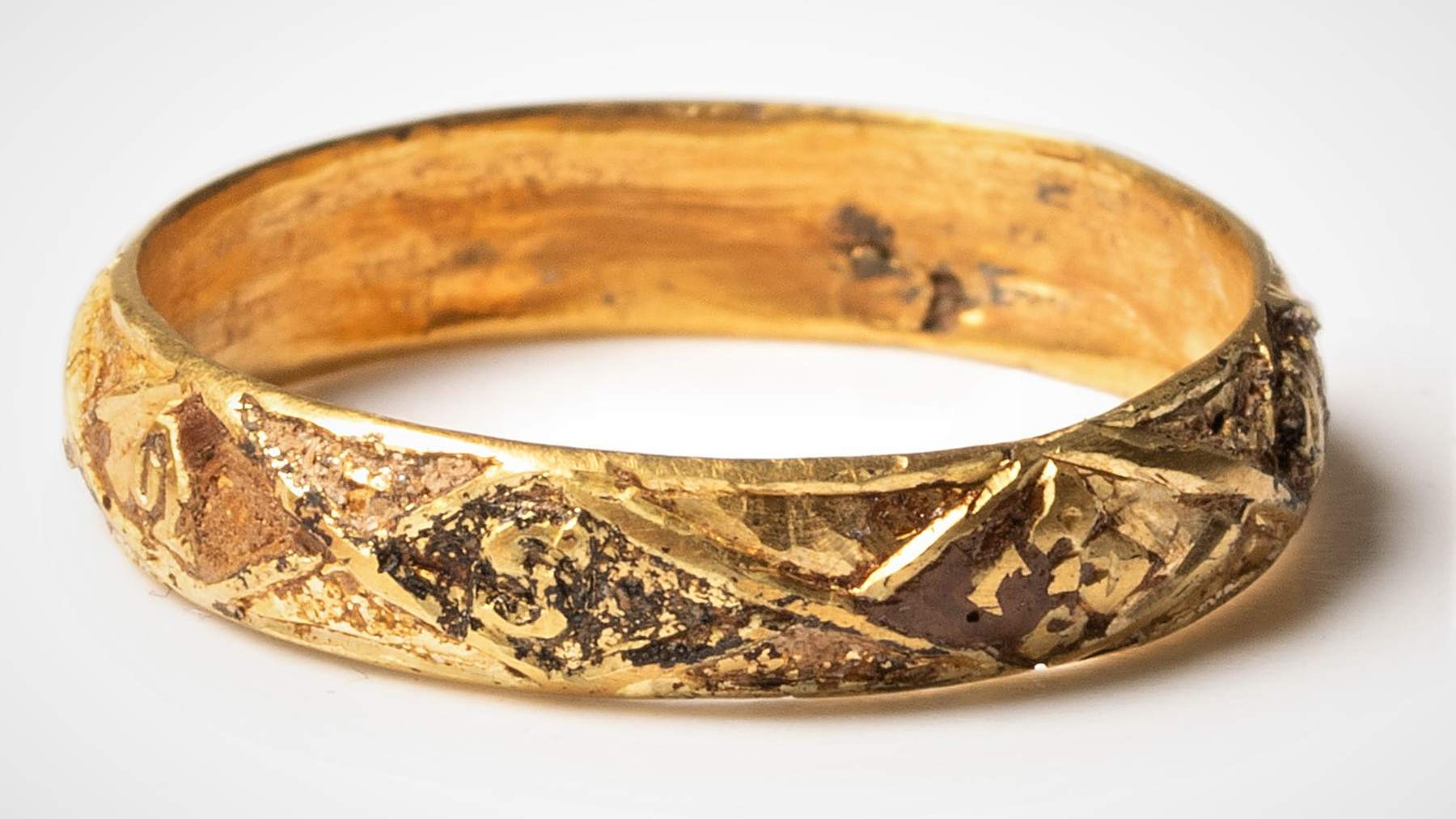
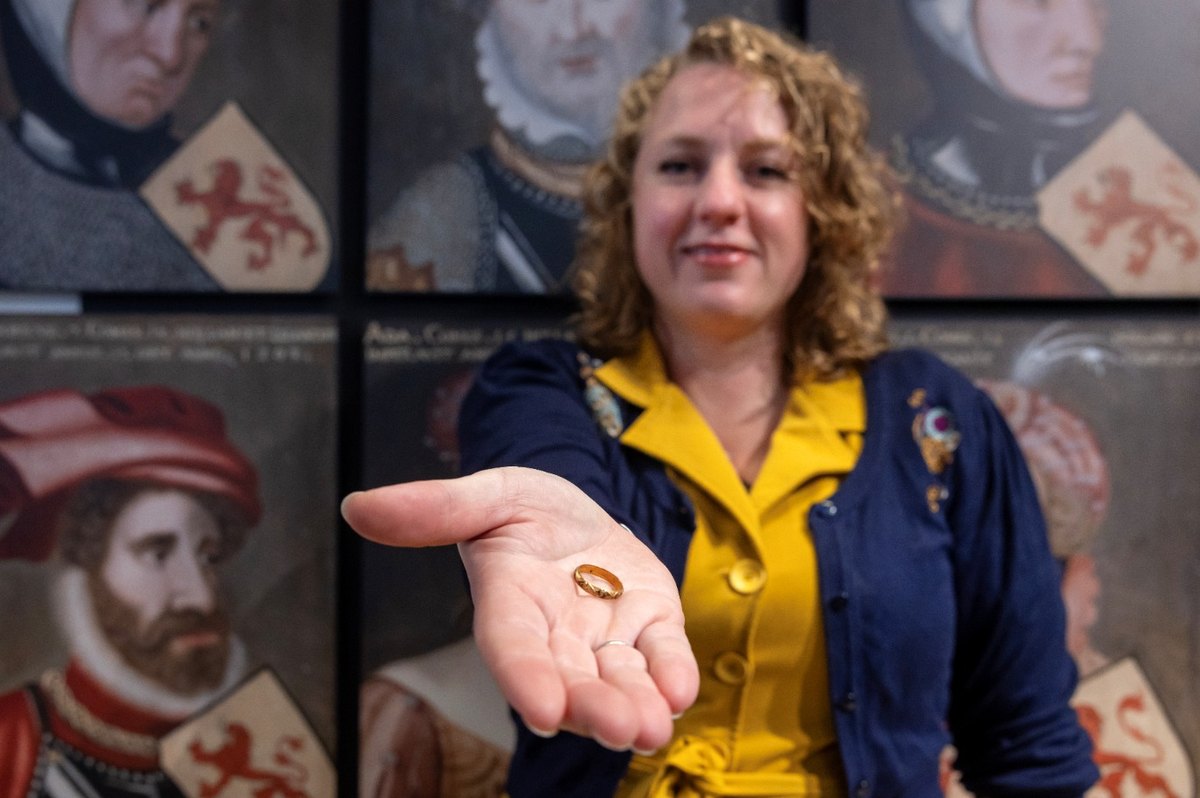
According to the renovation project, the ring is made of 14 to 17 karat gold. Seven diamond-shaped compartments run around the band. Each is filled with black or reddish glass paste, and on top sits one gold letter in Gothic script.
Go around the band in order and you get STADICH. The project glosses it as “gestadig,” and back then it meant steadfast or faithful, which the project calls important virtues of the late Middle Ages.
Gold could always be melted down and reworked, the fate of pieces from a Zapotec jewel cache that ended up sold and melted. A ring lost in the mud kept its letters and colored inlay.
Worn by wealthy women
Rings like this were worn by women from the wealthy middle class or the nobility, the announcement says. Only a few comparable examples are known in the Netherlands. That makes the find very special, in the project’s words.
A word about faithfulness on a gold band suggests a love token or a wedding ring. The official text does not go that far. It says the word stood for loyalty and constancy, and it names no couple.
Other digs in Europe have turned up gold rings, such as a gold ring buried beside a farm building on Gotland. In The Hague, the inscription is the best clue to the person who wore it.
The counts’ private backyard
The ring lay in the Achterhof, the area behind the Ridderzaal. The counts of Holland lived at the Binnenhof from 1229. This was the home quarter of the noble families, according to a September 2024 update from the renovation project.
That update describes a largely self-sufficient court. It had vegetable and flower gardens, a slaughterhouse, a bakery, a washhouse and a brewery. In 1500 a “caetsbaan,” a forerunner of the tennis court, was laid out next to the hall.
When digging behind the hall began in 2024, archaeologist Andjelko Pavlovic set out his hopes in the project’s update. “We are thinking of late medieval foundations, floors and wells,” it quotes him as saying, in words translated from Dutch. “There is even a chance that traces from prehistory will be discovered.”
Throughout the renovation, city archaeologists work alongside the building crews. Remains that can stay in the ground are left in place, and other finds are conserved. Berlin faced the same race in a huge construction pit in its city center.
On show at Plaats 22
Lotte van Basten Batenburg, The Hague’s alderman for culture, unveiled the ring on Thursday, October 15. “It is wonderful that this unique ring now has a home in the Binnenhof Information Center,” she said, in remarks translated from Dutch.
Visitors can see it at the Binnenhof Renovation Information Center, Plaats 22, in The Hague. Lenoir works for the city’s archaeology department. She shared the latest dig results in a public lecture on October 2.
The city calls the Binnenhof Europe’s oldest parliamentary complex still used as such until recently. The renovation is run by the Rijksvastgoedbedrijf, the Dutch government’s real estate agency. Its digs add to a wider picture of the medieval Low Countries, next to finds like a gatehouse traced through molehills near Damme in Belgium.
The wearer’s name stays buried
Who owned the ring is not known, the announcement says. Nothing found so far ties it to a named woman, a family or a court household.
The moat was filled in the late 14th or early 15th century, so the ring was lost before then. The project says the piece will be studied further. That work could pin down its age, its workshop and its place among the few similar Dutch rings.
The official announcement was published by the Binnenhof renovation project on October 15, 2026.
Photo: Binnenhofrenovatie / Gemeente Den Haag