Two botanists surveyed 24 Chernobyl cemeteries inside the exclusion zone and counted more than 400 wild plant species growing among the graves. Their tape measure also went around oaks and pines thicker than almost anything still standing in the woods next door.
The Askania-Nova Biosphere Reserve posted the results on September 28, 2026, nearly four decades after the 1986 nuclear disaster emptied the villages that used these burial grounds.
Crosses, fences and 400 species
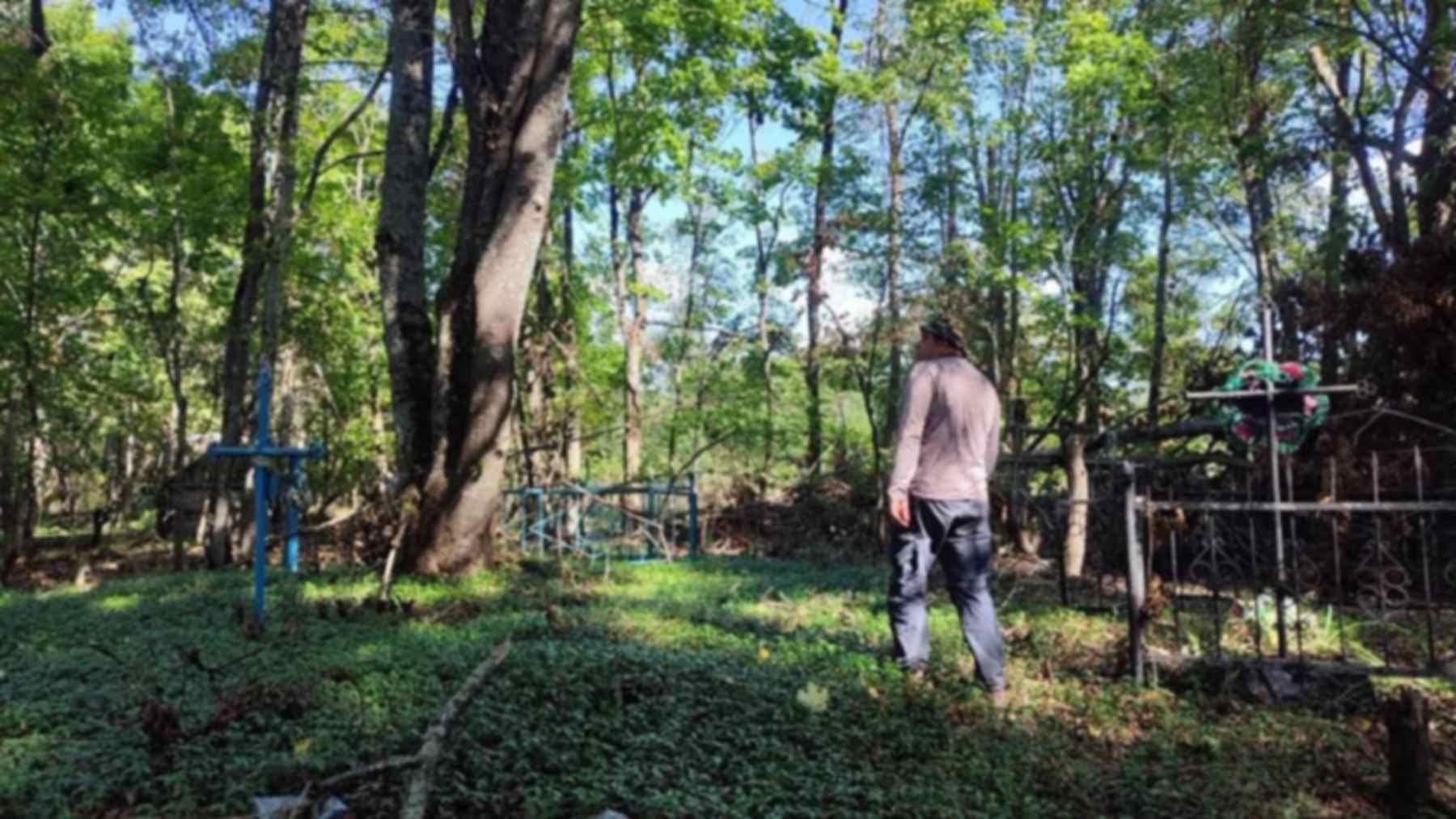
According to the reserve, scientists Ivan Moysiyenko and Nadiia Skobel had just returned from the Chornobyl Radiation and Ecological Biosphere Reserve. This protected area was created in 2016. Their targets were the cemeteries of the villages emptied by the evacuation.
Across the 24 sites, the team logged more than 400 spontaneously growing species of vascular plants. That group includes trees, grasses, ferns and nearly all flowering plants. Several are rare in the region, the reserve said, though its post does not name them.
The reserve singled out Jurinea cyanoides, a purple-flowered member of the daisy family, which turned up at several cemeteries. It appears on the Bern Convention’s list of strictly protected flora, part of Europe’s main treaty for wild plants and animals.
An oak 14.6 feet around
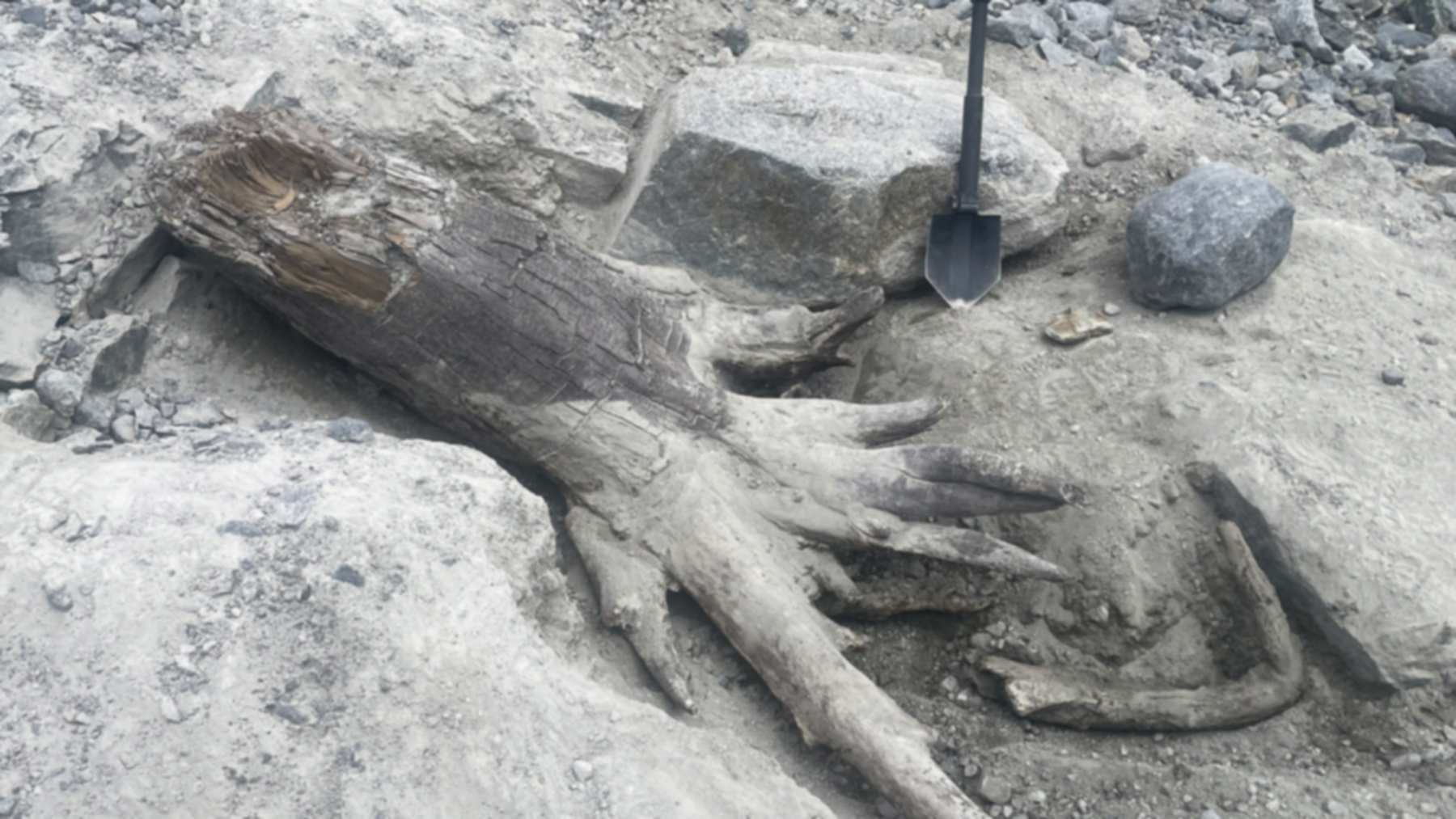
Almost every cemetery held trees with trunks more than 6.6 feet (200 centimeters) around. Many passed 9.8 feet (300 centimeters), according to the expedition report.
The largest living oak measured 14.6 feet (446 centimeters) in girth. A dead oak reached 16.7 feet (510 centimeters). The thickest pine the botanists found was 8.5 feet (259 centimeters) around.
Girth is the distance around the trunk, so a 14.6-foot oak is roughly 4.6 feet across. The reserve called that oak the record holder among the living oaks it measured. It made no claim of a national or world record.
Sacred ground kept saws away
Why would big old trees cluster among the graves? The reserve’s answer has to do with culture, not radiation. Old trees “have hardly survived in the surrounding forests,” it wrote in Ukrainian, but they lasted in the cemeteries “thanks to their sacred status.”
For generations, villagers left cemetery trees standing while they cut the woods around them. That protection began long before 1986. So the oaks owe their size to people as much as to the absence of people.
The 1986 evacuation then froze the cemeteries in the state the villagers left them. “Usually, cemeteries ‘die’ gradually and over a long time,” the reserve wrote. Here, the villages emptied in 1986, and for botanists that turns them into a rare place to watch vegetation change after people leave.
Beehives and Old Believer roofs
Besides plants, the reserve listed burial mounds, traces of traditional tree beekeeping and small wooden “churches” over graves. Those structures mark the burials of Old Believers, Orthodox Christians who broke with the main church in the 17th century.
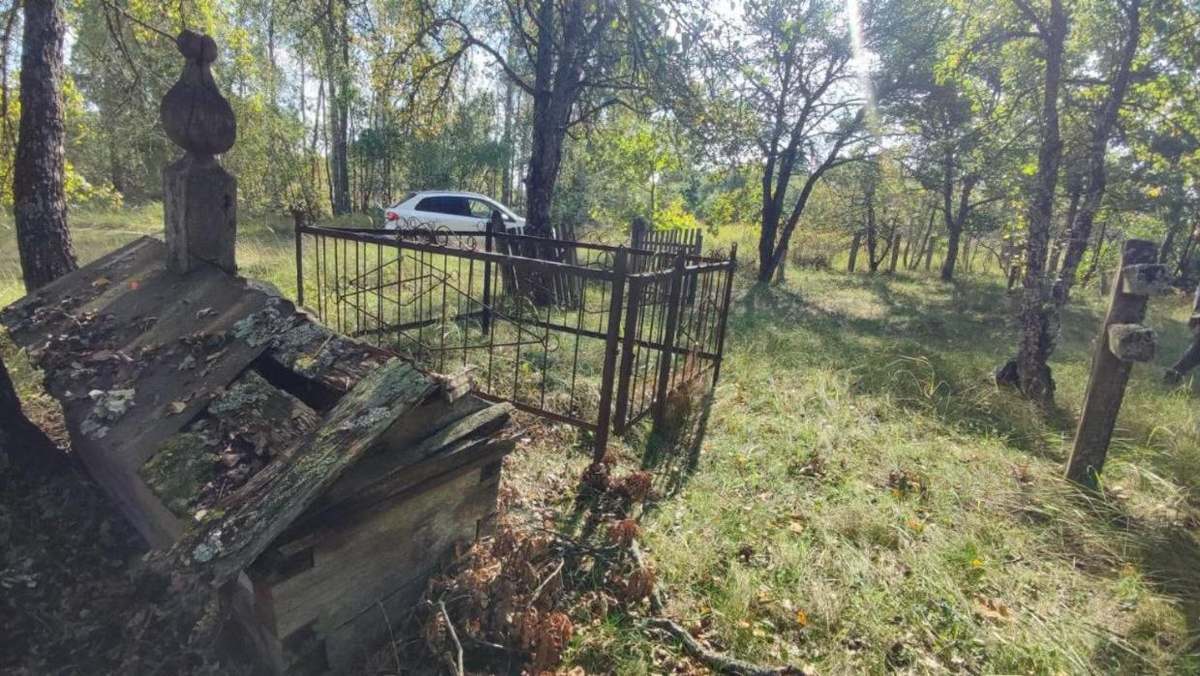
Tree beekeeping meant hollowing out living trunks so wild bees could nest inside. A big hollow oak was worth more to a beekeeping family alive than cut. Graveyards in other countries also shelter large insect populations, and the DBU project treats such heritage sites as possible refuges for wildlife.
The German Federal Environmental Foundation (DBU) supported the research through its Ukraine initiative. Its project summary calls cultural heritage sites “overlooked refugia.” It also plans to publish the plant records on GBIF, an open biodiversity database.
Deer and wolves next door
Earlier work in the zone focused on animals. A 2015 study in Current Biology used long-term census data from the Belarusian sector. Co-authored by Jim Smith of the University of Portsmouth, it found elk, roe deer, red deer and wild boar at levels similar to four uncontaminated reserves.
Wolves were more than seven times as abundant as in those reserves. Later surveys have tracked lynx, Przewalski’s horses and wild boar across the zone. The cemetery survey now adds plants and old trees to that record.
Tree ages and doses unrecorded
The announcement gives no ages for the giant oaks and pines, and no tree-ring dating has been reported. An oak on rich soil can put on girth much faster than one in poor sand, so girth by itself says little about age.
The report also leaves out radiation readings for each cemetery. Without them, nobody can tell from this survey whether contamination hurt these plants, helped them or barely mattered. A species count shows what is present, not how healthy each population is.
The botanists said they were looking forward to a spring expedition. A visit in another season could add plants that were not flowering the first time. The DBU summary also lists abandonment, landscaping and encroachment as threats, so these sites may need active care rather than neglect.
The expedition results were published by the Askania-Nova Biosphere Reserve on its official Facebook page on September 28, 2026.
Photo: Askania-Nova Biosphere Reserve