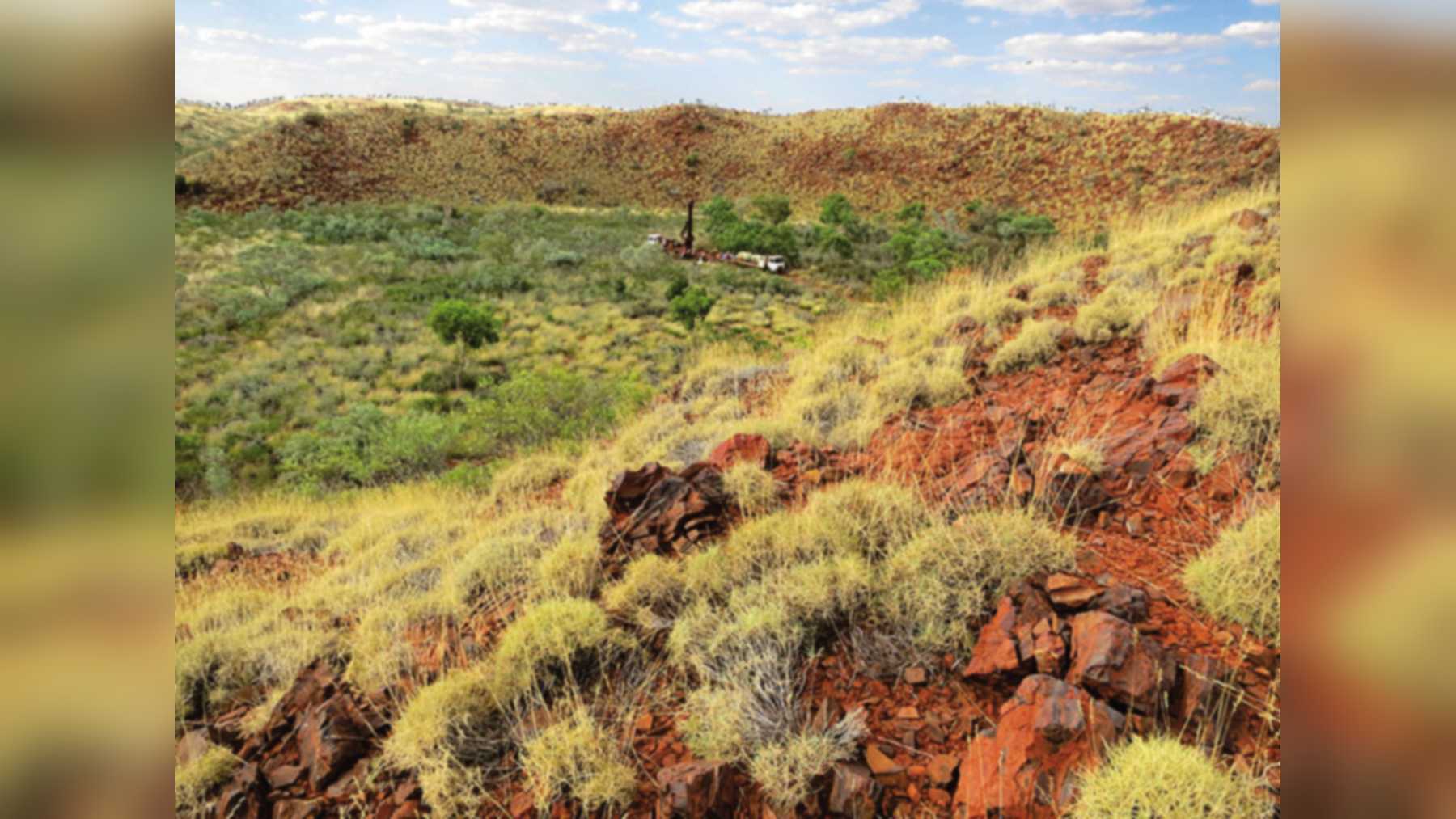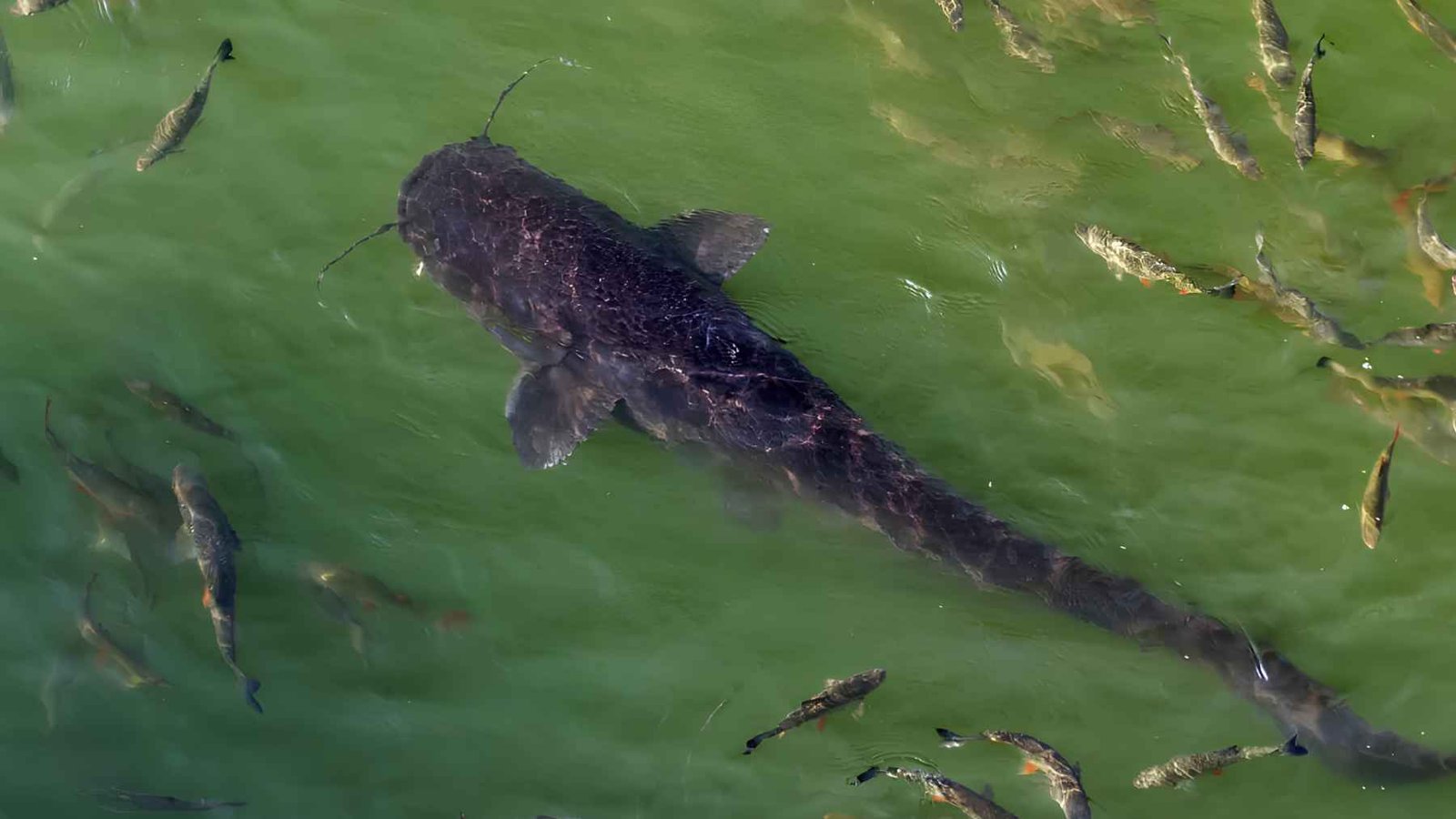
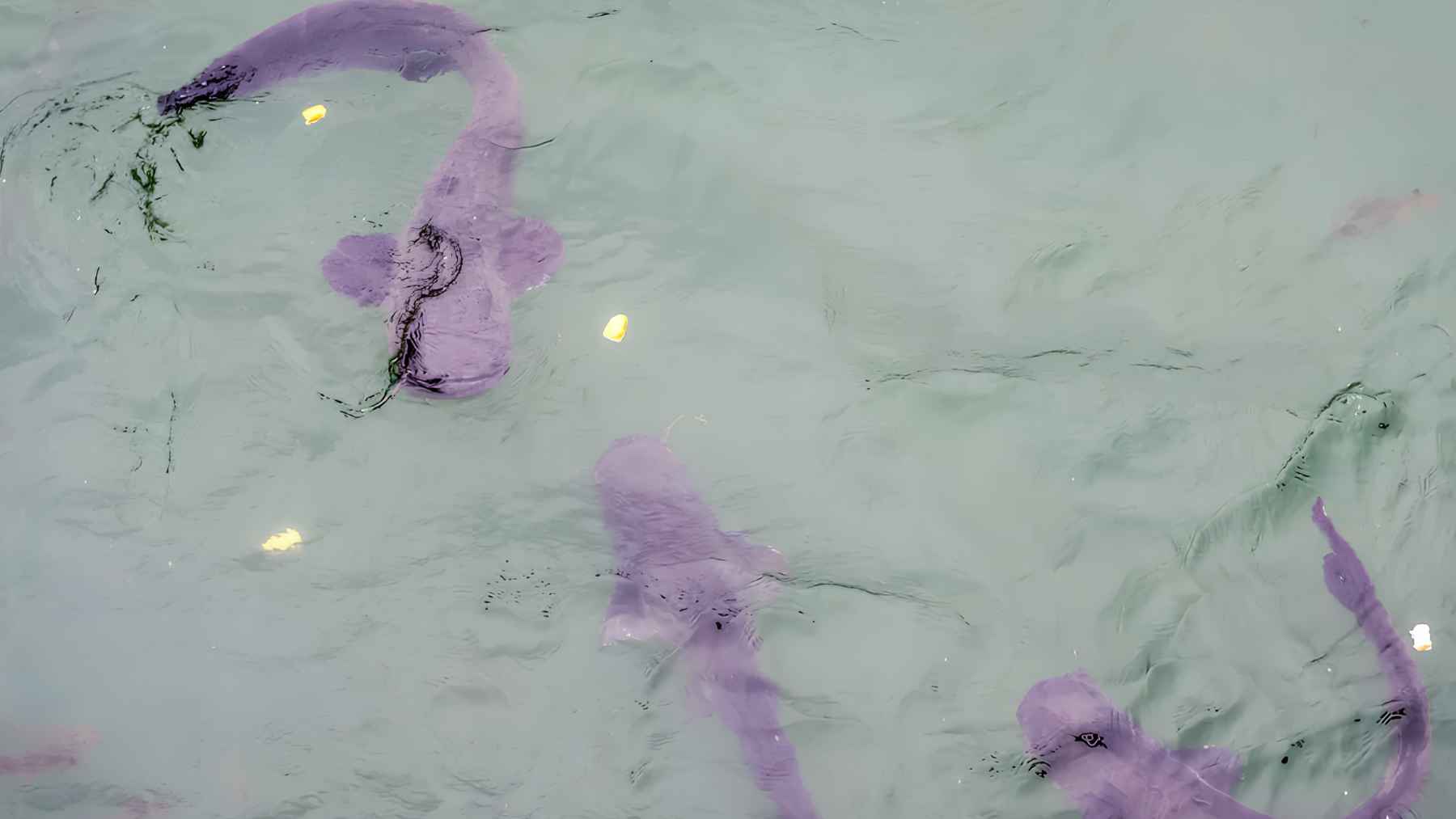
A viral video of an enormous fish swimming in a water canal at the Chernobyl Nuclear Power Plant, sparked the idea that the radiation created radioactive “mutants,” but science demonstrated that there was nothing of “mutant” in them. The Welsh catfish is naturally one of the biggest freshwater species in the world. The real historical change started in 2014, when the water cooling pumps were shut down and the gigantic reservoir started to dry up and turn into an ecosystem of wetlands and forests, breaking into residual lakes and wetlands.
The fish looks monstrous because Wels catfish already are
Wels catfish is the biggest freshwater fish in Europe. To give you an idea, it is confirmed that they can reach 2.73 meters (nearly 9 feet) and 130 kilograms (287 pounds).
There is something dramatic in the videos, and this is because a large fish filmed close to the phone’s lens, without any reference object to compare its size, can fill the whole screen. The long life of these animals also influences this, since investigations show that the Wels catfish can survive for many decades and continue growing until they reach enormous sizes.
Why the pumps ran for 13 years after shutdown
The last unit (Unit 3)that kept operating at the plant was shut down on December 15, 2000. But the problem was that the pond was constantly losing water through filtrations and evaporation. So, keeping it full meant paying an impossible electricity industrial bill in order to pump replacement water from the Pripyat River.
The pumping station was finally switched off in May 2014 and it was in August 2016 that the water levels divided the pond into three separate bodies, where the satellites showed that 42 percent of the surface area had become dry land one year later.
Was there when willows, silver birches, marsh grasses, and a few Scots pines really advanced over the former bottom of the pond. Finally in August 2019, the plant informed that the area was turning into an wetland ecosystem with its water levels that now depend on the rainfall, groundwater and river flow.
What radiation studies actually found
A 1996 study identified biological damage in the catfish inside the cooling pond, showing that those fish had more DNA strand broken than the ones that are under control. Specifically, researchers say that such damage was definitely associated with the radiocesium concentration in each animal.
Another study in 2018 examined perch and roach from seven lakes around Chernobyl. What they saw was that both species, in general, were in good health. But specifically, perch in the lakes that were more contaminated demonstrated a maturity delay in their gonads and many reproductive problems that were not seen in roach.
The disappearing habitat is the story worth watching
With all this said, about 70 percent of the original bottom lay in water shallow (not deep enough to stay exposed during drawdown), and models suggested t hat the fish community could be reduced from around 40 to 22 species.
Unfortunately, this means that the change of habitat was never ignored, but still the attention of the public sometimes stays alarmed with “monster stories”. The old cooling pond is moving toward becoming a patchwork of pools, marshes and young woodlands, and that slow transformation matters much more than a terrifying videos of fish on social media.