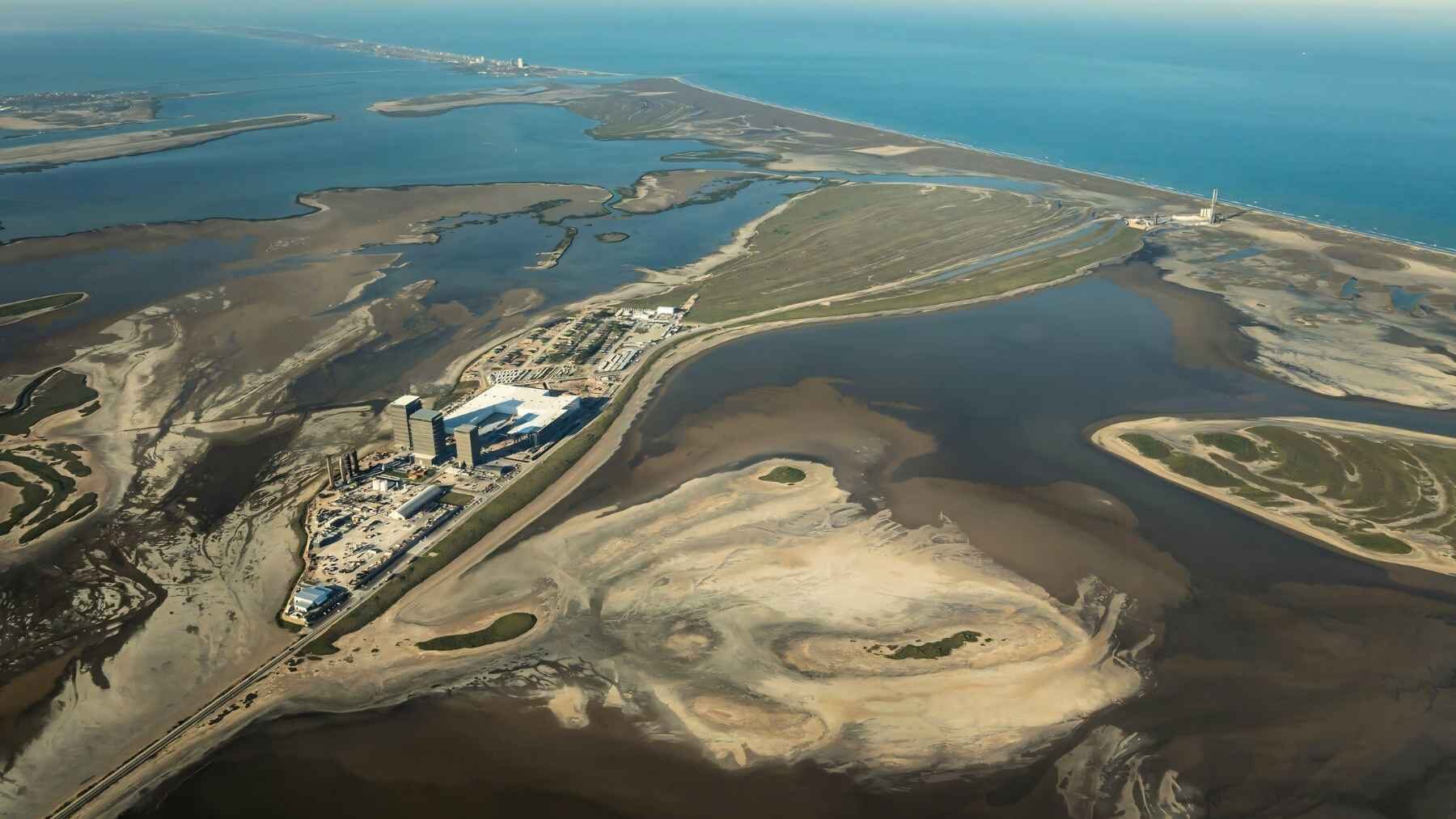
A fight over more than 700 acres of public land beside SpaceX’s Starbase has entered a new and urgent phase. On July 20, 2026, Indigenous and conservation groups asked a federal judge to temporarily block a South Texas land exchange until the court reviews their case.
The U.S. Fish and Wildlife Service says the trade would replace fragmented refuge parcels with better-connected habitat elsewhere. The challengers say it would permanently transfer sensitive public land, including part of a historic Civil War battlefield, into private hands before a court decides whether the deal follows federal law. On paper, the numbers look close, but can acreage alone capture differences in habitat, history, and public access?
What the exchange would change
The federal agency’s June 1, 2026, decision describes a transfer of about 715 acres from the Lower Rio Grande Valley National Wildlife Refuge to SpaceX. In return, the government would receive about 683 acres owned by the company near Laguna Vista and Starbase.
The public descriptions do not use exactly the same figure for the federal land. The coalition’s July 20 announcement refers to 727 acres, while the agency’s final environmental review uses 715 acres. Either way, the proposal involves more than 700 acres of refuge property near an expanding rocket complex.
According to the decision, the incoming land contains tidal marsh, thornscrub, coastal flats, wetlands, and shoreline habitat in larger, more useful blocks. Officials call the deal a “net conservation benefit,” meaning the wildlife value gained should outweigh what is given up. The exchange is still listed as planned, and administrative steps remain before ownership can change.
Why the coalition went to court
The plaintiffs are the Center for Biological Diversity, Save RGV, the Carrizo/Comecrudo Nation of Texas, and the South Texas Environmental Justice Network. Their June 10 lawsuit alleges violations of the National Wildlife Refuge System Improvement Act, the National Environmental Policy Act, the National Historic Preservation Act, and the Administrative Procedure Act.
Their latest request seeks a preliminary injunction. In simple terms, that is a temporary court order meant to keep the land where it is while the judge considers the larger case. It would not decide who ultimately wins.
“The court has to intervene now,” said public lands advocate Laiken Jordahl in the coalition’s announcement. The groups argue that once the refuge parcels are deeded to SpaceX, public access and federal wildlife protections could be difficult to restore even if they later prevail.
Launches put wildlife concerns in focus
The Lower Rio Grande Valley refuge covers about 103,000 acres across four South Texas counties. It protects habitat used by animals including the endangered ocelot, northern aplomado falcon, piping plover, and Kemp’s ridley sea turtle.
A 2024 field report examined nine shorebird nests near the Starbase launch pad after a Starship test on June 6, 2024. Justin LeClaire and David Newstead of the Coastal Bend Bays and Estuaries Program found that every monitored nest was missing eggs, had damaged eggs, or both. Only five of 22 eggs remained intact and viable.
The report concluded that launch debris damaged most, and probably all, of those nests. However, the federal review reached a different overall conclusion about the land swap, saying the acquired parcels contain high-quality habitat, the action is not likely to adversely affect listed species, and its long-term effects should be beneficial.
A battlefield and Indigenous access
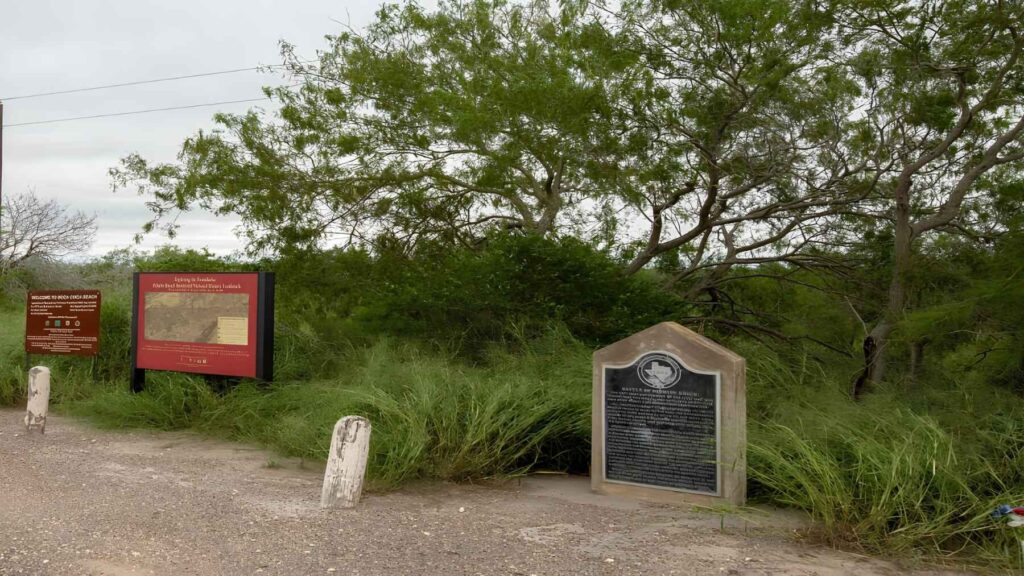
Some of the federal property lies within the Palmito Ranch Battlefield National Historic Landmark. The clash, fought on May 12 and 13, 1865, is recognized as the final land battle of the Civil War and occurred after Confederate General Robert E. Lee had already surrendered in Virginia.
Officials acknowledged that transferring battlefield parcels would have an adverse effect under federal historic preservation rules. They say a mitigation agreement will create a protected area around White’s Ranch, require archaeological monitoring, and add a viewing platform and interpretive signs.
For tribal members, the concern goes beyond historic markers. The complaint says the coastal landscape is used for cultural, spiritual, and ceremonial purposes, and it argues that privatization could further restrict that relationship with the land. This is not simply a real estate calculation.
Questions about how fast the deal moved
The coalition says records obtained through the Freedom of Information Act show that internal planning was underway by April 2025. One agency email called for “the most expedited schedule possible” and discussed assigning additional staff to move the exchange forward.
The proposal became public in March 2026, and officials received more than 25,000 comments. The final review says most opposed the exchange, although many were form letters and not unique. The agency later issued a finding of no significant impact, concluding that a longer environmental impact statement was not required.
That finding is one of the central points in dispute. The challengers say the analysis minimized launch-related harm, fragmented habitat, public access, and historic resources. Federal officials maintain that they considered those effects and added safeguards where needed.
What happens next
A federal judge must now decide whether to pause the exchange while the lawsuit proceeds. The decision on an injunction will focus on immediate harm and legal risk, not necessarily settle every claim in the case.
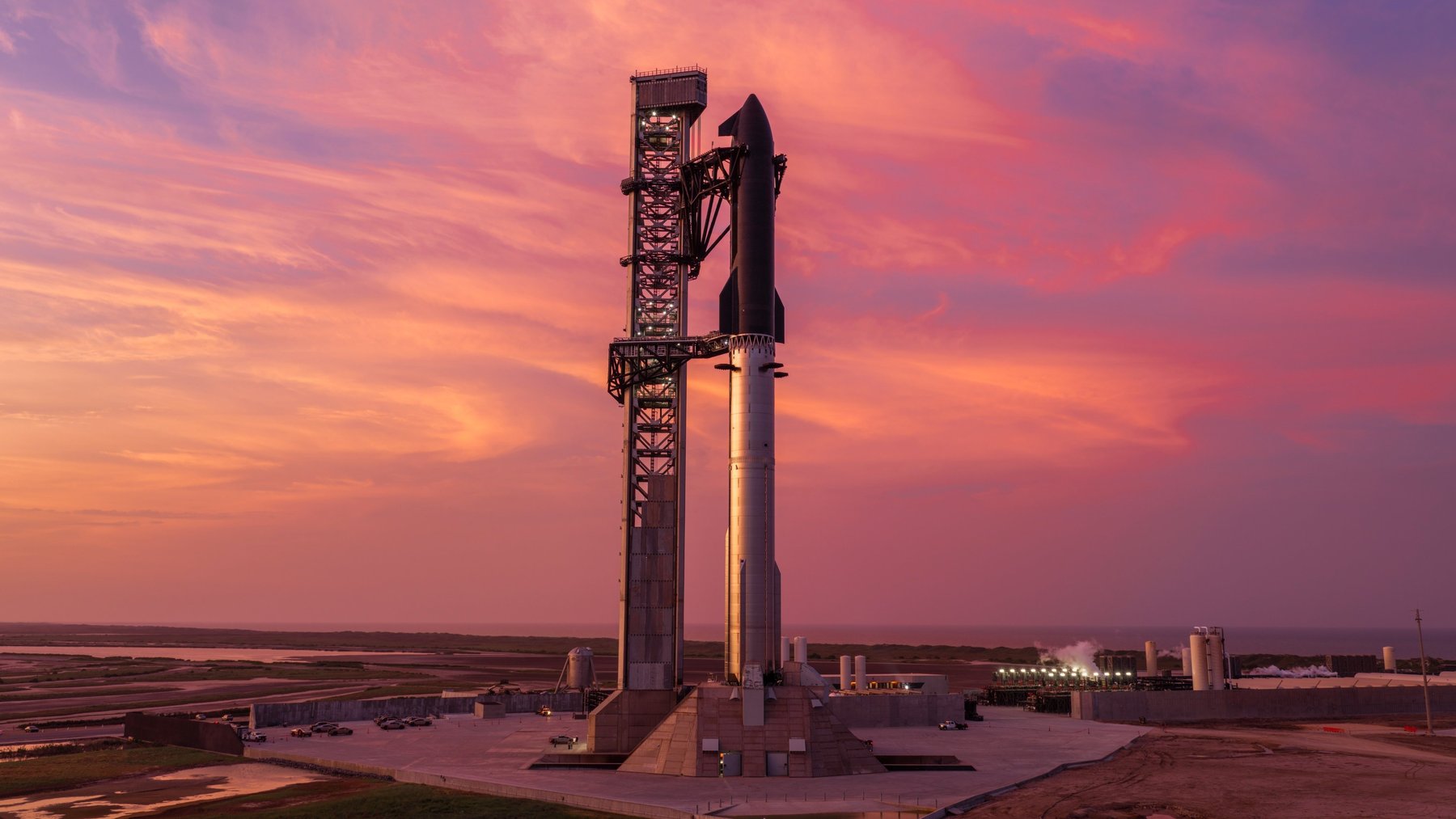
Starbase operations, meanwhile, are continuing. Starship lifted off from South Texas on its 13th flight test on Friday, July 24, 2026, showing that launches beside the refuge are continuing while the legal fight unfolds.
At the end of the day, the dispute is about timing as much as acreage. The challengers want court review before public land changes hands, while the government maintains that the swap will improve conservation. For now, the transfer has not been completed.
The official decision was published by the U.S. Fish and Wildlife Service’s website.