The United States has moved closer to auctioning two enormous seabed areas near American Samoa for possible mineral development. Together, the proposed blocks cover about 31.5 million acres inside a broader study area of roughly 33 million acres, making this a major step toward U.S. deep-sea mining.
One detail matters: winning a lease would not give a company immediate permission to begin industrial mining because the proposal authorizes only preliminary surveys, sampling, and ocean measurements. Future extraction would require a separate plan, environmental review, and federal approval.
What the government wants to auction
The Bureau of Ocean Energy Management has identified two blocks covering 16.3 million and 15.2 million acres. A proposed auction is scheduled for Nov. 19, 2026, although the government still must complete legal steps and could alter or cancel the sale.
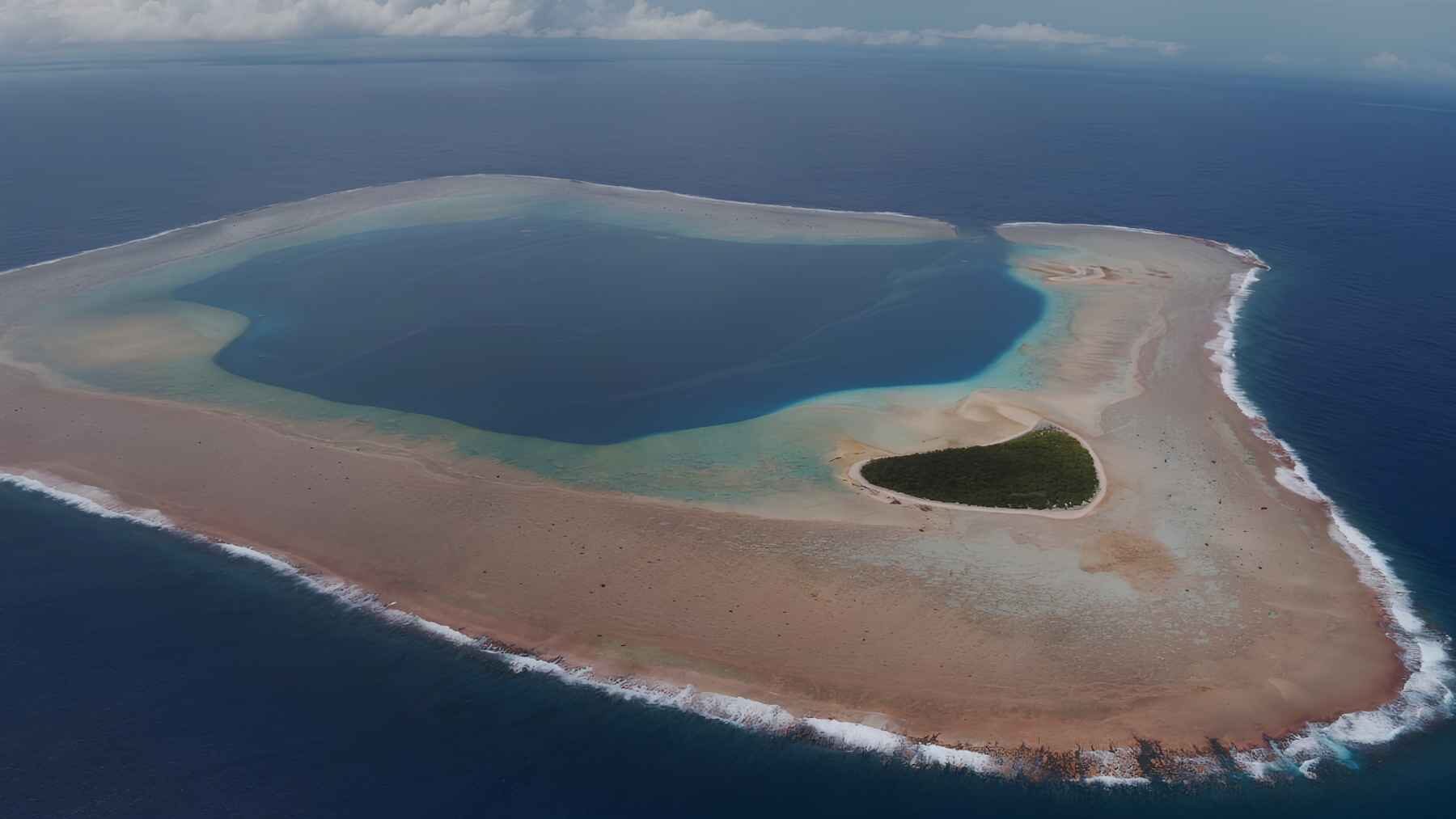
The seabed lies in waters about 4,600 to 20,000 ft. deep. Parts of the proposed zone are roughly 57 miles from Rose Atoll, but the assessment says the lease area does not overlap the national wildlife refuge or surrounding marine monument.
Why Washington wants the minerals
Deep-ocean deposits can contain copper, nickel, cobalt, manganese, and other materials used in electric vehicles, electronics, energy systems, and military equipment. These are the materials inside many everyday products, from rechargeable batteries to communications hardware.
Matt Giacona, acting director of the Marine Minerals Administration, said, “Critical minerals have become a strategic asset in global competition.” The Trump administration argues that offshore deposits could reduce U.S. dependence on foreign supply chains, especially those linked to China.
An April 2025 executive order directed federal agencies to accelerate seabed mineral development. The National Oceanic and Atmospheric Administration (NOAA) then changed its process in January 2026 so companies could seek an exploration license and a commercial recovery permit through one consolidated application.
What deep-sea mining means
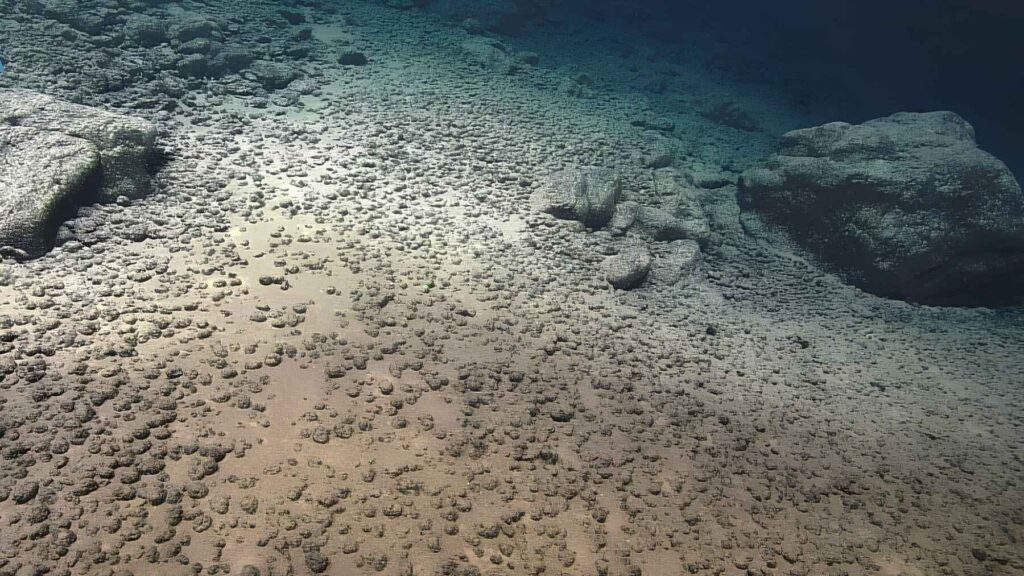
Deep-sea mining is the proposed removal of mineral-rich material from the ocean floor, often thousands of feet below the surface. Targets may include polymetallic nodules, which are rock-like lumps scattered across flat seabeds, and ferromanganese crusts that form on underwater mountains.
The American Samoa leases would initially permit geophysical mapping, limited seabed and biological sampling, and oceanographic measurements. Survey vessels could study currents, habitats, species, and mineral deposits, but large machines would not yet be authorized to collect minerals at industrial scale.
That distinction is crucial. Early surveys create the data and legal foothold for a later mining application, so critics see the lease sale as an opening gate rather than a simple research exercise.
Environmental uncertainty remains
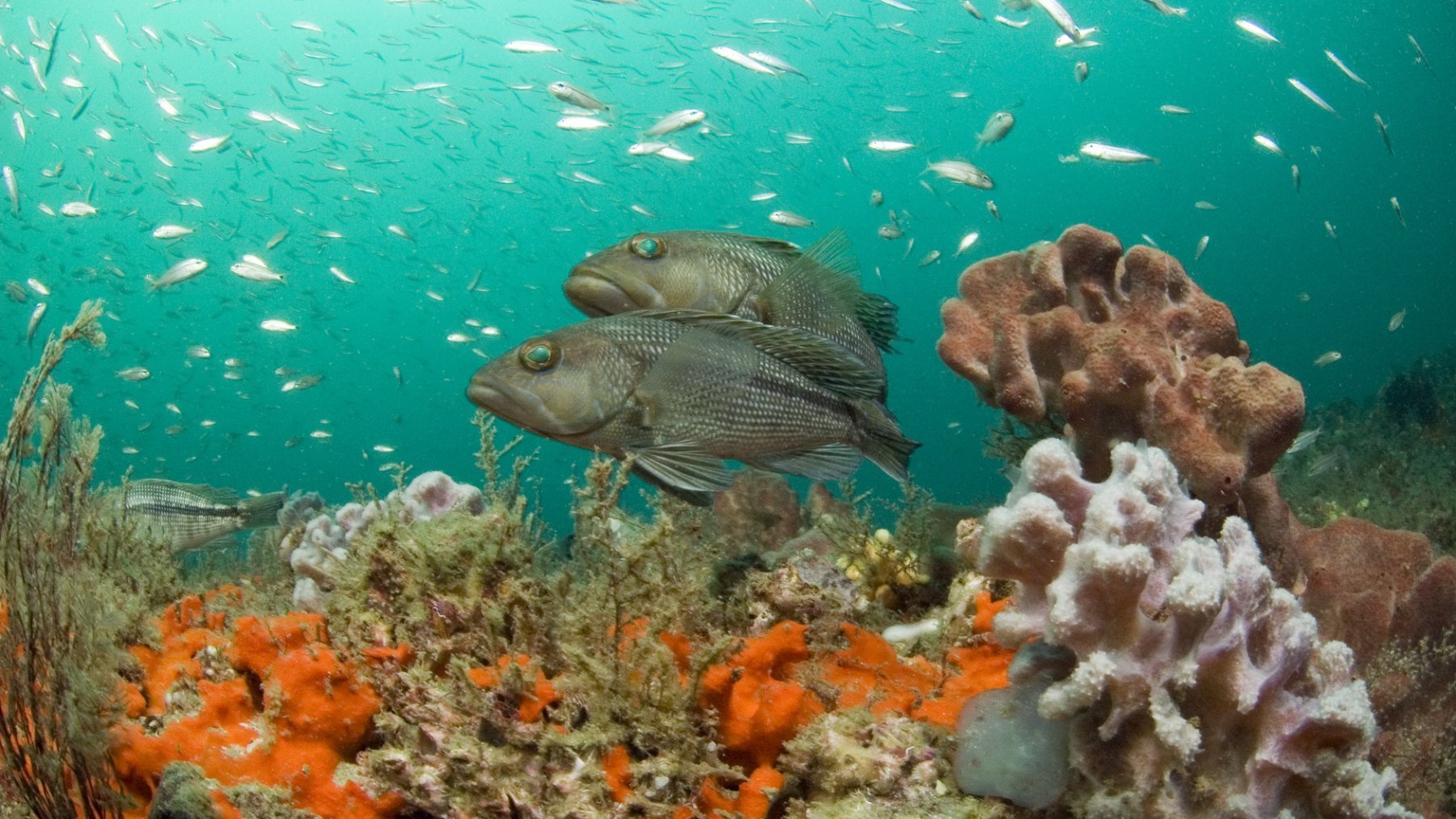
Scientists and environmental groups warn that full-scale mining could introduce artificial light, machinery noise, and clouds of disturbed sediment into ecosystems that evolved in darkness and relative quiet. Those plumes could move beyond the collection site and affect animals near the seabed.
For the preliminary work now under review, the federal assessment predicts no substantial adverse effects on offshore habitats. It also admits that biodiversity, ecological function, and basic conditions remain poorly understood in the deepest parts of the area.
That is the central tension. The government says surveys can fill data gaps, while opponents argue that commercial leases should not be issued before those gaps are closed, especially near protected waters around Rose Atoll.
American Samoan groups push back
Local opposition is not only about fish or distant deep-sea species. Community advocates say the ocean supports food, culture, family ties, and the traditional Samoan way of life, meaning decisions made far away can still land close to home.
Seumalu Elora Raymond of Fa’asao Amerika Samoa accused the federal government of “ignoring the voices of the very people whose waters, traditions, and livelihoods are on the line.” The territorial government has prohibited deep-sea mining in local waters, although the proposed blocks are in federally managed waters farther offshore.
Earthjustice attorney J.V. Langkilde described the industry as untested and warned that American Samoa could become an early test site. For residents, the debate is also about who decides what happens in the surrounding ocean.
A different path from global rules
The International Seabed Authority regulates mineral activity in international waters beyond national jurisdiction. It says it has approved exploration contracts but not commercial deep-sea mining because global rules for exploitation are still being developed.
The American Samoa proposal follows a separate U.S. route because the blocks lie within the U.S. exclusive economic zone. BOEM manages mineral leasing on the federal Outer Continental Shelf, while NOAA handles applications by U.S. entities in areas beyond national jurisdiction.
More than 43 countries have called for a moratorium, precautionary pause, or ban on deep-sea mining. That makes this more than a local leasing decision; it could test whether national governments move ahead while international negotiations remain unsettled.
What happens next
The governor of American Samoa has 60 days after publication of the proposed notice to submit comments. If officials proceed, a final leasing notice must appear at least 30 days before the auction, with the definitive blocks, conditions, and bidding rules.
BOEM has also considered dividing the overall area into five leases of nearly 7 million acres each. Whatever configuration is selected, a company seeking extraction would still need a detailed testing or mining plan and a separate environmental review.
The seabed is not about to be mined tomorrow. Still, the machinery of policy is moving, and today’s choices could determine whether one of the planet’s least understood environments becomes the next mineral frontier.
The official proposed leasing notice and environmental assessment have been published by the Bureau of Ocean Energy Management.