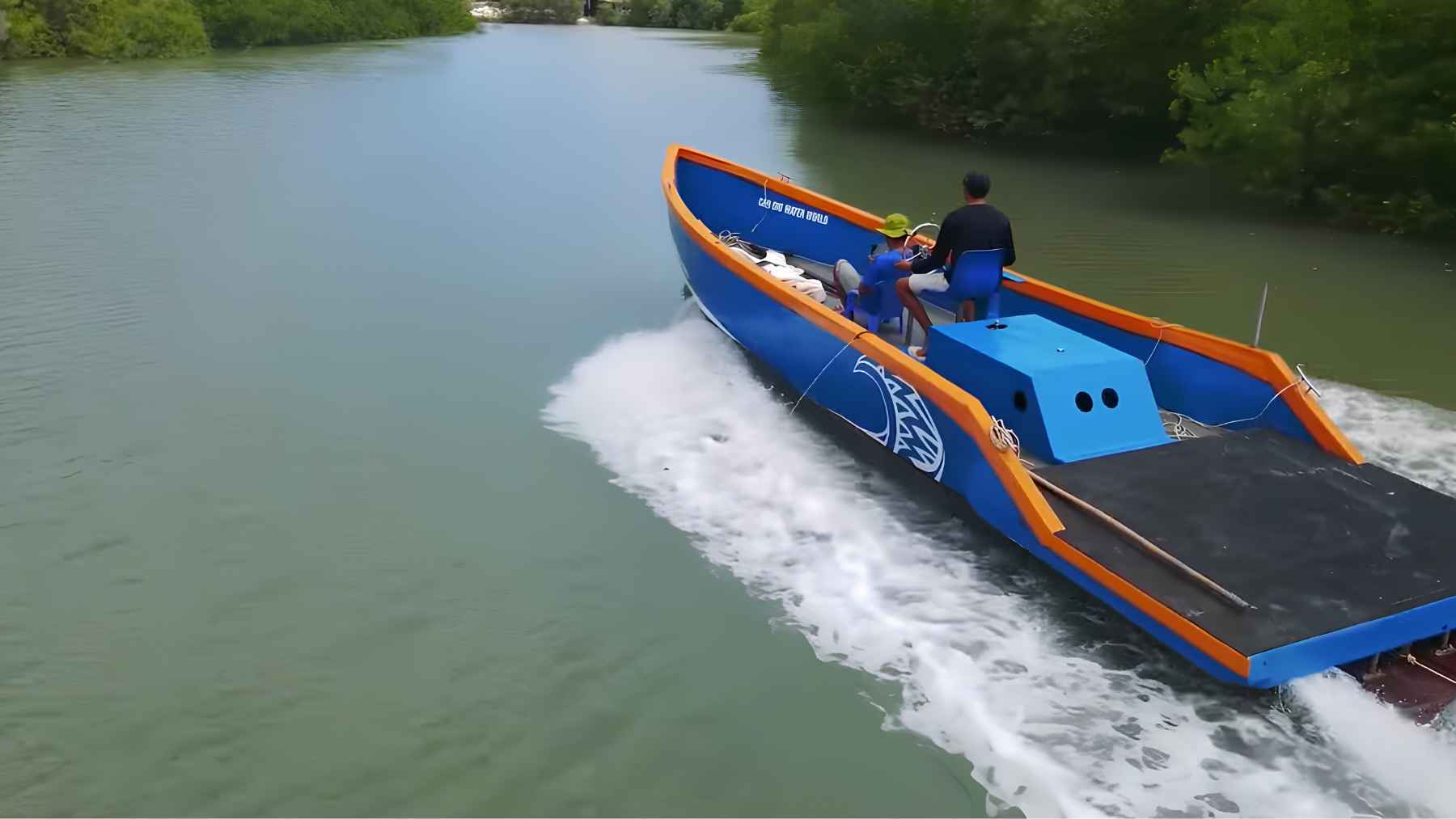
A homemade boating project is drawing attention because it does something most boat owners would never try. A builder took a used automotive engine and turned it into the heart of a small working yacht, adding outside-water cooling, a propeller shaft, anticorrosion protection, and fiberglass reinforcement.
The bigger story is not just that the boat can move. A land-based engine becomes a very different machine once it enters a wet, enclosed, salt-air environment. That is where low-cost ingenuity meets the hard rules of marine safety.
A car engine becomes a boat engine
Marine engines can be expensive, especially for independent builders who do not have easy access to specialized shops or replacement parts. A used car engine is tempting because mechanics know it well, parts are easier to find, and the price can be far lower than a dedicated nautical setup.
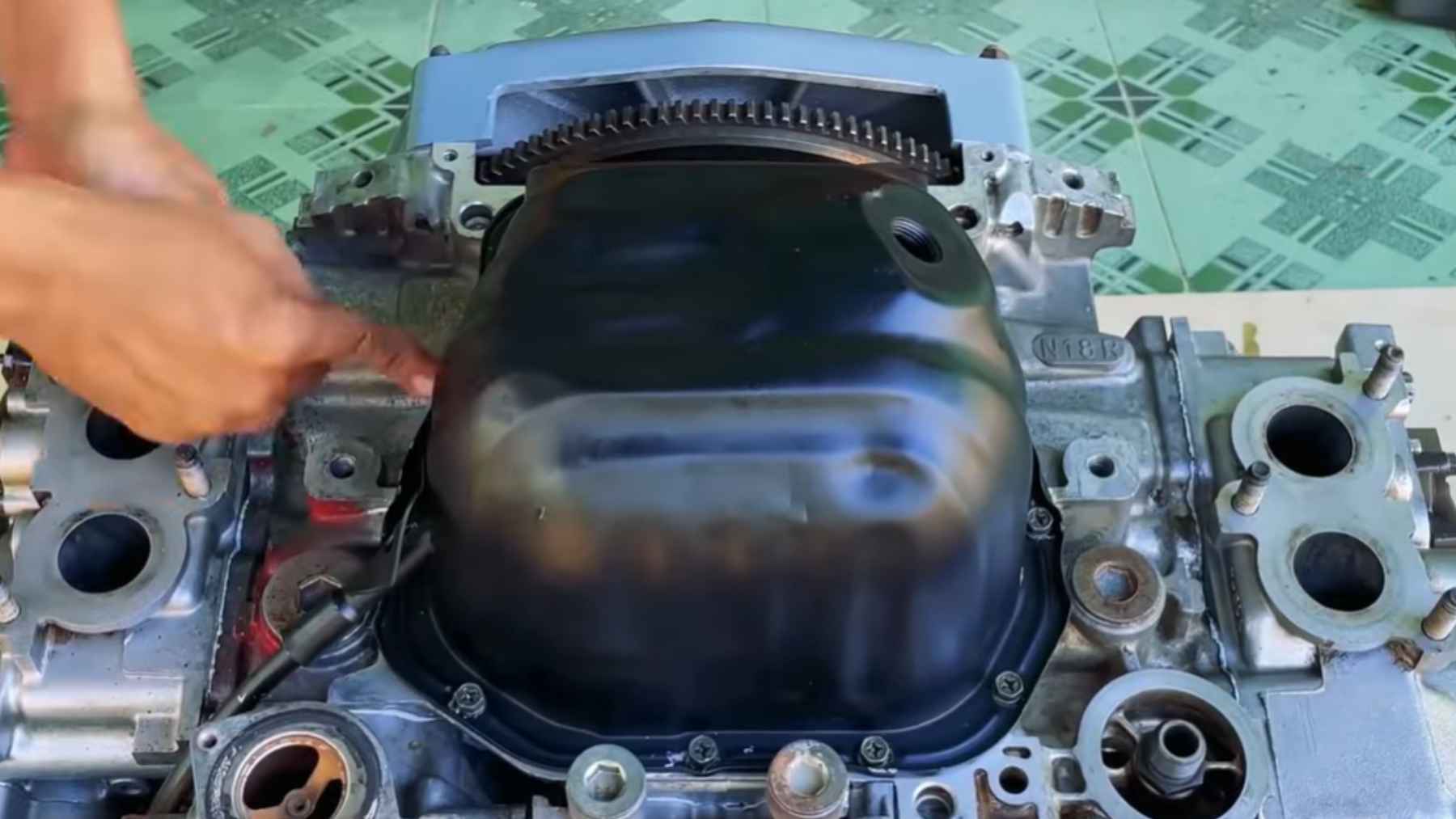
This kind of conversion, however, is not a simple swap. The engine must sit inside a hull, send torque through a shaft, spin a propeller, and survive moisture that would quickly punish many road-vehicle components.
Cooling is the first big test
Cars get rid of heat through a radiator and moving air, which is easy to forget when you are stuck in traffic and watching the temperature gauge. Boats do not have that same steady air flow around the engine compartment, so a converted engine usually needs outside water to carry heat away.
Read More: {{post_title link:post}}
That water cannot simply be allowed to destroy the engine from the inside. A careful setup uses hoses, filters, pumps, and sometimes a heat exchanger, which lets water absorb heat without turning the engine into a rust experiment.
Overheating is not a minor nuisance on the water. It can leave a boat drifting with no propulsion, and in a closed space, heat can also worsen fuel and electrical risks.
The propeller needs a straight line
The real mechanical puzzle is the path between engine and propeller. Torque, which is the twisting force that makes the shaft turn, has to move cleanly from the engine to the propeller without shaking the hull apart.
If the engine sits even slightly out of line, vibration can damage bearings, seals, mounts, and the fiberglass structure around them. Anyone who has heard a loose fan belt squeal knows small mechanical problems can get loud fast.
Fiberglass turns the hull into a system
Many low-cost homemade boats rely on marine plywood covered with resin and fiberglass. The plywood gives shape, while the fiberglass skin adds stiffness, water resistance, and a smoother way to spread stress across the hull.
The stern, or rear of the boat, needs special attention. That area receives the push from the propeller and the vibration from the engine, so it cannot be treated like just another flat panel.
A strong hull is not only about staying afloat. It is also about keeping the shaft in alignment, holding the rudder in place, and preventing cracks from growing quietly over time.
Ventilation is not optional
Gasoline engines in closed compartments bring a serious hazard that cars usually avoid. Fuel vapor can collect low in a boat, especially around the bilge, and a single spark can turn a small leak into a major emergency.
Read More: {{post_title link:post}}
A gasoline-boat ventilation standard describes this system as a way to expel or dilute potentially explosive vapors inside engine and fuel-tank spaces. It also warns that ventilation cannot solve every fuel spill because exposed gasoline keeps making vapor.
Federal rules in the United States say a compartment with a permanently installed gasoline engine and a starter must either be open to the atmosphere or have an exhaust blower.
The same rules require a warning near the ignition, with the key message that “gasoline vapors can explode” and that the blower should run for four minutes before starting.
Corrosion is the quiet enemy
A road engine is not born for salt air. Moisture attacks bolts, wiring, cooling parts, exhaust components, and the mounts that keep the system steady.
That is why anticorrosion work matters as much as the engine itself. Protective paint, marine sealant, regular cleaning, and sacrificial anodes, which are small metal pieces designed to corrode first, can help the reused parts last longer.
Read More: {{post_title link:post}}
Still, there is no magic coating that makes an automotive engine fully marine. The project can be economical, but the maintenance schedule has to be more serious than the price tag might suggest.
Low cost does not mean low responsibility
The appeal is obvious. A reused engine, a reinforced hull, and a practical propeller setup can bring powered boating closer to people who would never buy a new marine engine.
However, the same project also shows why homemade vessels need inspection, paperwork, and local safety compliance. In Brazil, maritime safety rules cover recreational boats and required safety items, including equipment expectations that vary by vessel type and navigation area.
The practical lesson is easy to miss because the build looks so resourceful. Saving money on the engine only works if the owner spends time on ventilation, fuel safety, electrical protection, cooling checks, and careful hull inspection.
A homemade yacht with a serious warning
For boating enthusiasts, this kind of project has real appeal. It shows how reused parts, basic mechanical knowledge, and fiberglass work can turn a discarded car engine into a functioning propulsion system, yet, there is a line between clever and risky.
A homemade yacht needs more than a working throttle, because water, gasoline, heat, and electricity are not forgiving once they are sealed inside a hull.
At the end of the day, the project is less about copying one build and more about understanding the challenge. Low-cost boating can be possible, but safe low-cost boating demands discipline.
The guidance referenced in this article has been published by the U.S. Coast Guard, the American Boat & Yacht Council, and the Brazilian Navy’s maritime authority