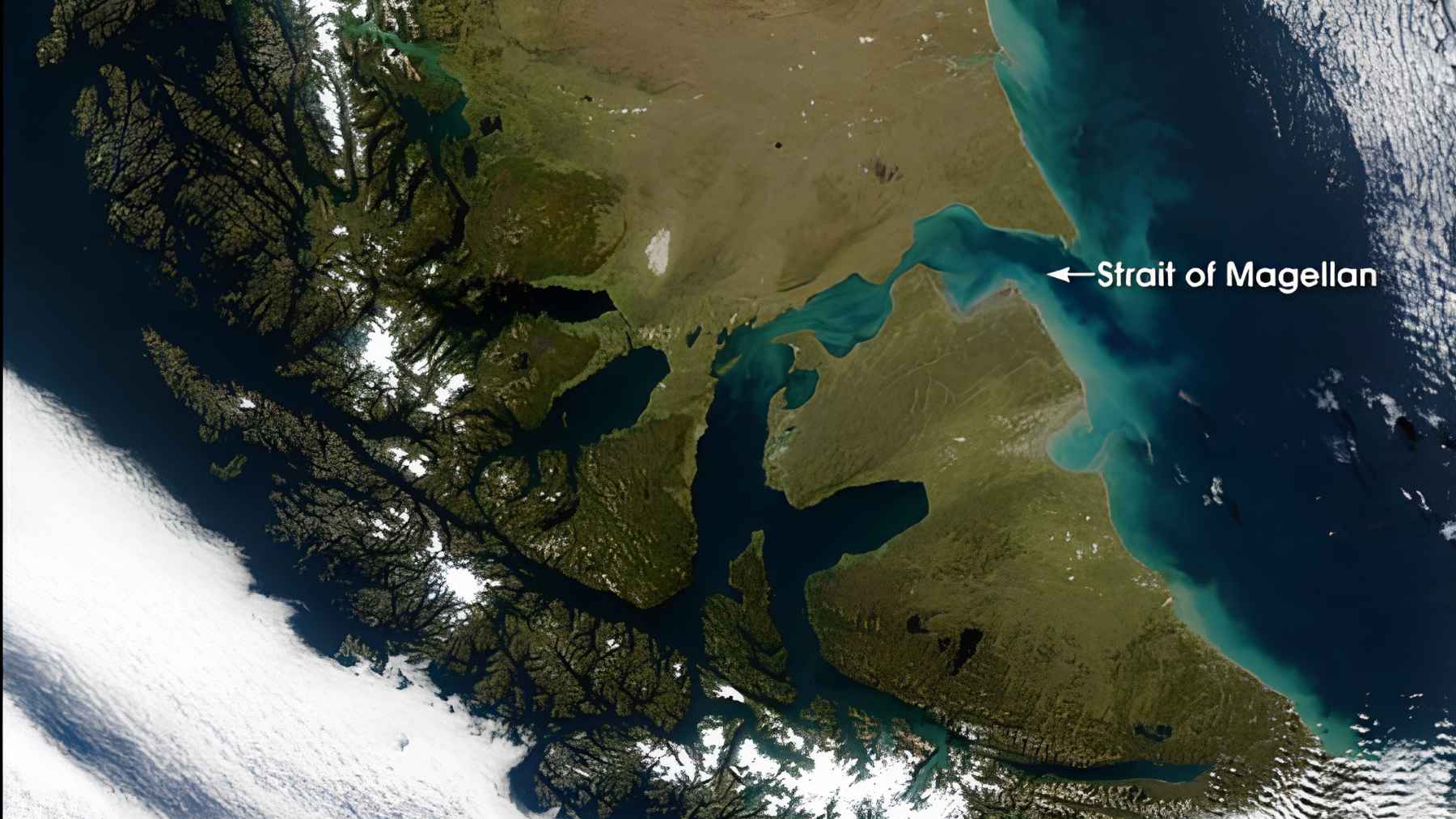
Imagine planning a drive to Tierra del Fuego and having the whole trip depend on wind, waves, and a ferry schedule. That is the everyday reality behind Chile’s renewed push for an undersea tunnel beneath the Strait of Magellan, a proposed 2.3-mile link between the mainland and the island.
The headline number is striking. Based on estimates discussed by civil engineer Francisco Hernández, the tunnel could cost about $644 million per mile, putting the full project near $1.48 billion before any overruns, financing changes, or design revisions are considered.
A road under the water
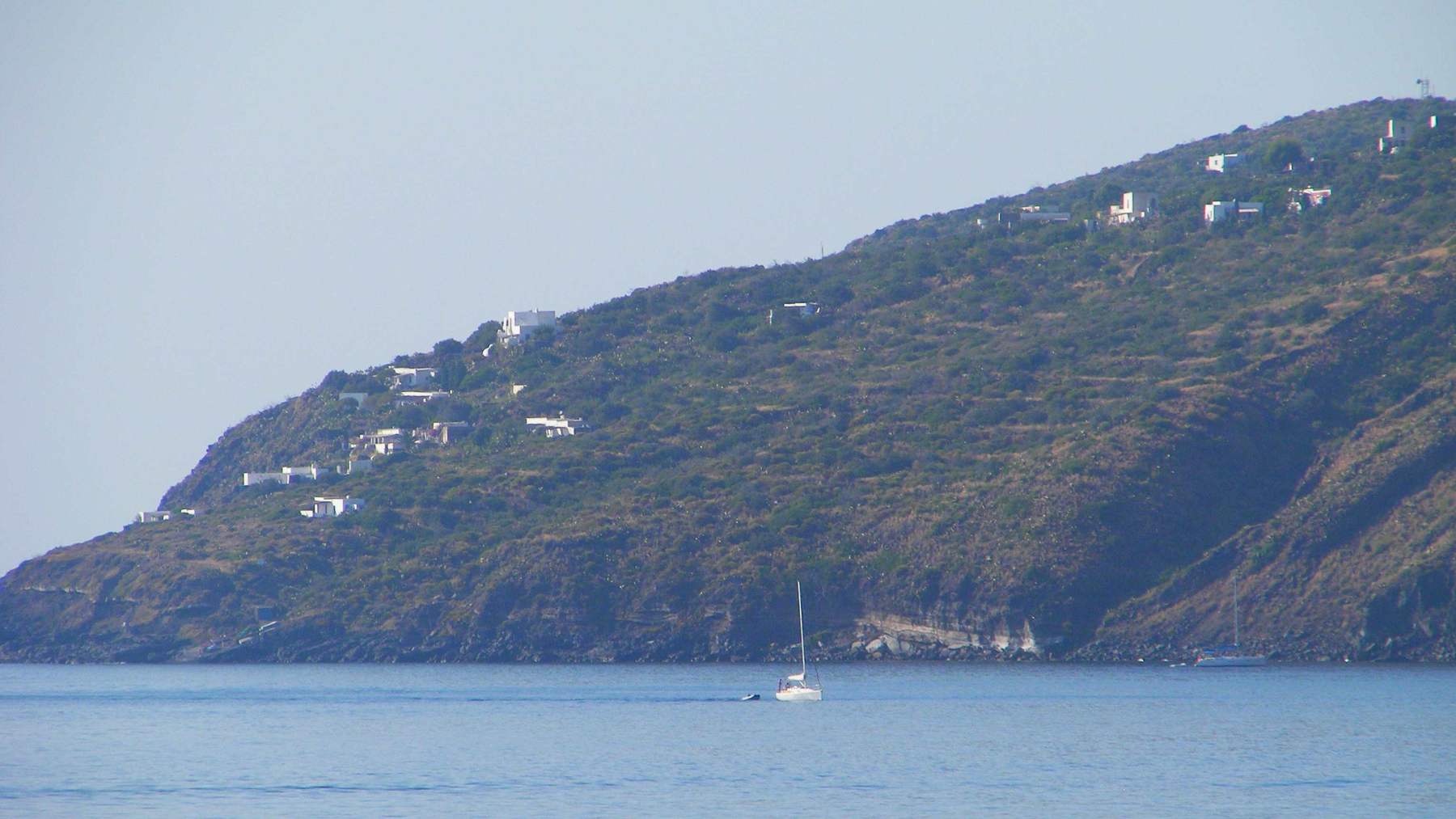
The proposed tunnel would cross the narrow Primera Angostura sector, linking Punta Delgada on the mainland with Bahía Azul on Tierra del Fuego. It would not be a tube sitting in the water, but a buried passage under the seabed, protected from currents and storms.
Why does that matter? Because the area now depends on ferries, and ferries can be delayed when the weather turns rough. For drivers, families, workers, and freight carriers, a fixed crossing would mean fewer pauses, less uncertainty, and a very different way of moving through southern Patagonia.
Chile’s official regional planning already treats the lack of road connectivity between the mainland and Tierra del Fuego as a problem. The planning document lists a target to build a tunnel in Primera Angostura by 2035, which shows the idea has moved beyond casual talk into long-term public planning.
Why the cost is so high
Hernández, a civil engineer and structures expert at Universidad de los Andes, told Tele13 Radio that a project like this would need about two years of engineering and ground studies, followed by roughly six years of construction. That is a long wait, but for a tunnel under a stormy strait, the slow part comes before anyone starts digging.
His estimate puts the tunnel at about $400 million per kilometer, which converts to roughly $644 million per mile. He compared that with the Channel Tunnel, often called the Eurotunnel, at about $483 million per mile, while noting that Magallanes brings its own complications.
The Chacao Bridge in southern Chile also came up as a reference point. Hernández placed that project at about $1.2 billion, which helps explain why a shorter tunnel can still carry a giant price tag when geology, water pressure, safety systems, and remote construction logistics pile up.
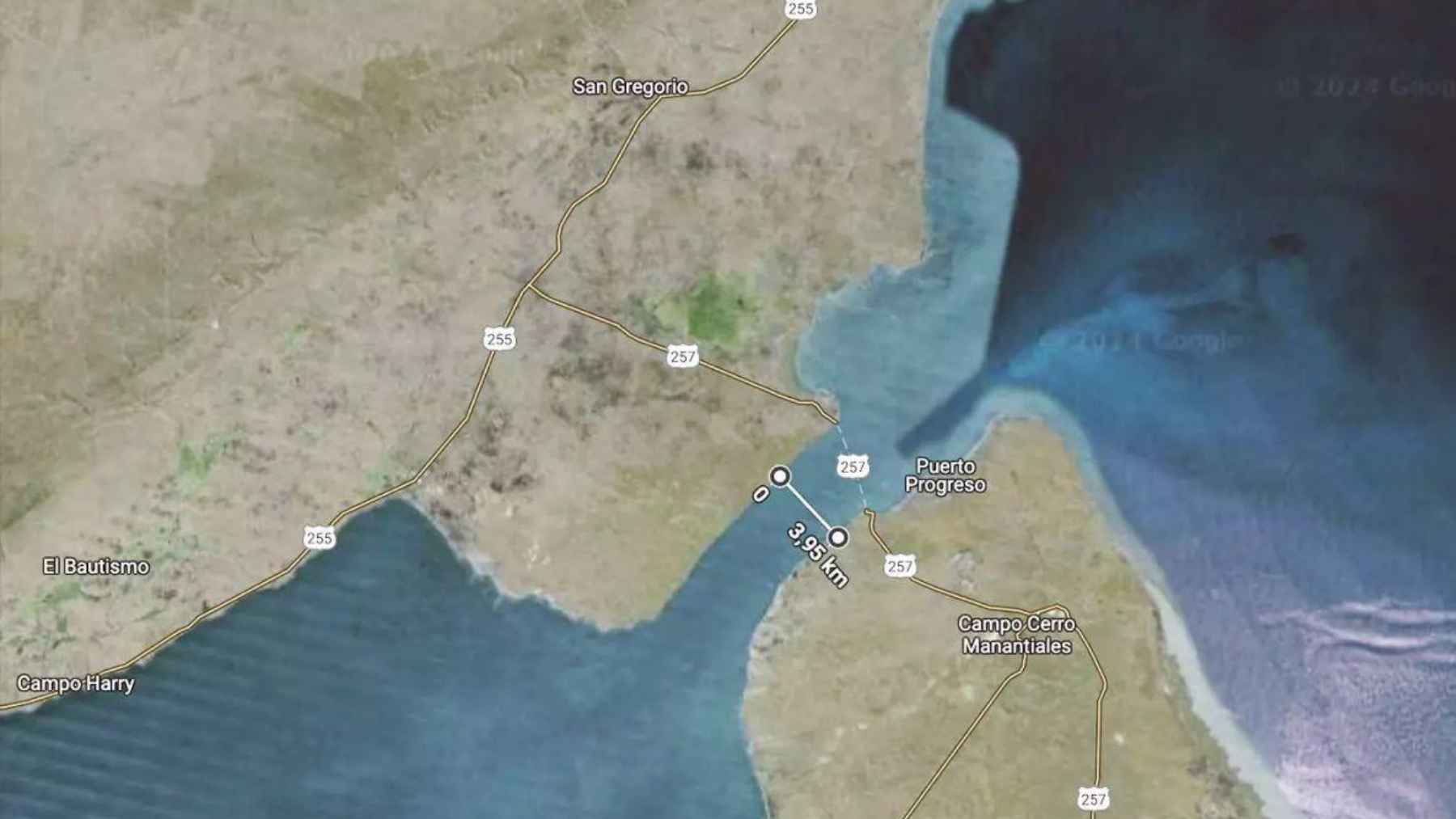
A map highlights the proposed tunnel alignment beneath the Strait of Magellan at Primera Angostura, where Chile is studying a fixed connection between the mainland and Tierra del Fuego.
The hardest work is underground
The Strait of Magellan is not just a line on a map. It is a harsh marine environment with strong weather, complex ground conditions, and a seabed that engineers would need to understand in detail before choosing the safest construction method.
Hernández said the tunnel solution would likely need to pass about 66 feet below the seabed. He also pointed to permeability, which is a simple but serious issue. If the rock or soil lets too much water through, construction becomes harder, slower, and more expensive.
Jorge Villarroel Ortega at Universidad de Magallanes has also argued that the biggest challenge is knowing the seabed and the ground beneath it.That means drilling, scanning, sampling, and testing before politicians or engineers can say what the tunnel should really look like.
Argentina may decide the math
Here is where the project becomes more than engineering. Hernández said it is “vital” to seek a partnership with Argentina, because the traffic from Chile alone may not justify the price.
That is not a small detail. The largest nearby cities on Tierra del Fuego include Río Grande and Ushuaia, both in Argentina, so many of the people who could benefit from a permanent crossing would be across the border.
In practical terms, the tunnel may need a binational deal to make financial sense. Roads are never just concrete and asphalt. They are also customs rules, budgets, maintenance plans, and political trust.
What would change for travelers
Today, more than 2,000 people and about 600 vehicles use the ferry crossing in this area, according to the project information provided. When the weather turns, delays can ripple through a whole day, from missed appointments to late cargo and long waits in the cold.
A tunnel would make the crossing feel more like a regular road. No boarding, no waiting for a vessel, no wondering whether the next gust of Patagonian wind will slow everything down.
That does not mean the tunnel would be simple once opened. An undersea road needs ventilation, fire protection, emergency exits, drainage, monitoring, and maintenance crews ready for trouble at any hour. The quieter the trip feels to drivers, the more work is usually happening behind the scenes.
A big promise with open questions
Supporters see the tunnel as a way to give Tierra del Fuego a more reliable connection with the mainland. That could help local residents, tourism, freight, and services that depend on predictable travel.
Still, the open questions are serious. Who pays the bill? How much traffic would actually use it? What would Chile and Argentina agree to share, and how would environmental and safety concerns be handled?
For now, the tunnel is best understood as a bold proposal with a real planning foothold, not as a shovel-ready project.
The official planning reference has been published in the Plan Especial de Desarrollo de Zonas Extremas by the Gobierno Regional de Magallanes y de la Antártica Chilena.