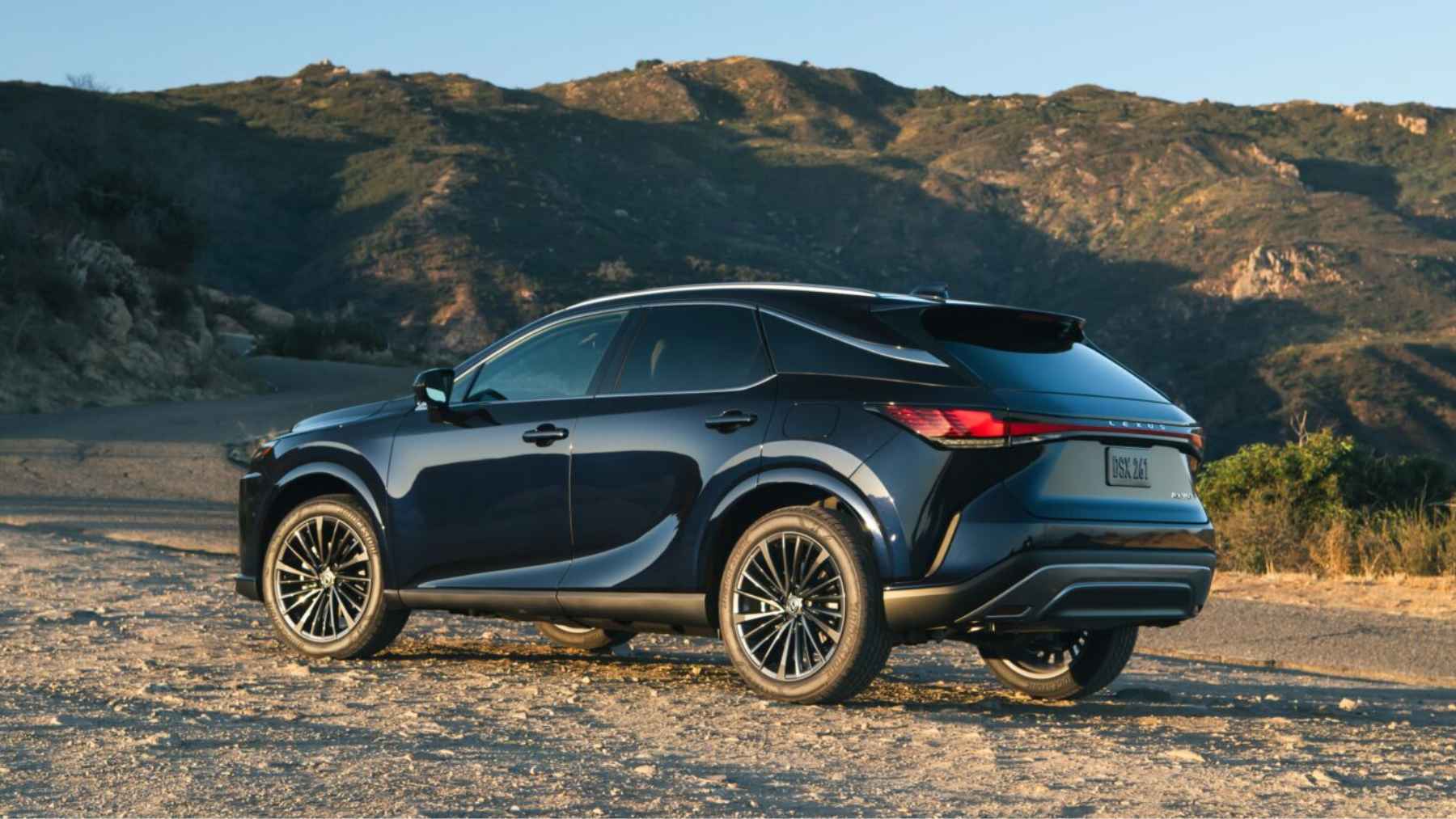
According to Consumer Reports, these are the best second hand cars you should have your eye on this year if you are in the market for a vehicle which is reliable, efficient, and under $10,000. With the holiday season ending a new year upon us, wallets and budgets may be looking tight for the next few months. However, thanks to the efforts by Consumer Reports, you can get yourself up-to-date on options to fit any price point.
Advantages of buying a used car
Buying a used car can be a smart financial decision for several reasons. The biggest advantage is the cost savings. New cars depreciate quickly, losing up to 20% of their value in the first year alone. By purchasing a used car, you avoid this steep depreciation and get more value for your money. You can often find well-maintained vehicles that are just a few years old, offering many of the same features as new models but at a fraction of the cost.
Used cars generally come with lower insurance premiums. New cars are more expensive to insure due to their higher replacement value, while used cars typically cost less to cover. This can result in significant savings over the life of the car. As insurance rates soar across the nation, hidden costs like these make buying a vehicle cost more than the cost price, making buying a used car can reduce the overall cost which comes with purchasing a vehicle.
Additionally, there’s a wide selection of used cars available, which allows you to choose from a variety of makes and models that may no longer be in production. Many used cars have a proven track record, with plenty of online resources to research reliability, recalls, and maintenance histories. If you buy from a reputable dealer or a certified pre-owned program, you can also still get warranties and inspection guarantees, providing peace of mind with your purchase. With the right research, buying a used car can be both a practical and cost-effective choice.
Consumer Reports’ choices for purchasing a second hand vehicle this year
Consumer Reports’ findings are based on two key factors: the performance of the models in initial tests and the results from the Annual Auto Surveys conducted with Consumer Reports (CR) members. Each year, CR members provide feedback on the reliability of their vehicles. According to Consumer Reports, these are the best value-for-money vehicles you can buy for under $10,000: