There are high expectations for the 6G and 5G, but the reality is that the 0G still has a head start. It has a number of advantages that you are about to learn about in full. Technology is advancing by leaps and bounds. Proof of this are the famous advances in artificial intelligence. However, there are some cases in which “the old familiar” still has something to offer.
Rampant power consumption is causing us to need more networks to sustain the boom in ultra-fast communications. But what if we could go back to the beginning? This is what we are going to ask you on this occasion.
This return would involve a new mechanism for offsetting the carbon footprint, as we shall now see. The 0G network represents a time when users still connected via radiotelephones and cell phones had not yet been invented, but to what extent is this true? Manuel Álvarez (Iberia Managing Director UnaBiz) had an interview with 20 Minutos (Spain) and cleared up any doubts on the matter.
0G is ahead of 6G and not the other way around: the testimony that nobody was expecting
He began by giving a complete definition of 0G: “An alternative network that does not compete with 3G, 4G or 5G because it is a complementary network”. It is a wide-range, low-cost technology that makes it possible to connect different devices without such high energy consumption and therefore more sustainable.
It can be used as a backup network, overcoming the main barrier to IoT (Internet of Things): scalability and, to a greater extent, the power consumption it requires. It also allows sending and receiving data without the need for complex connections or SIM cards.
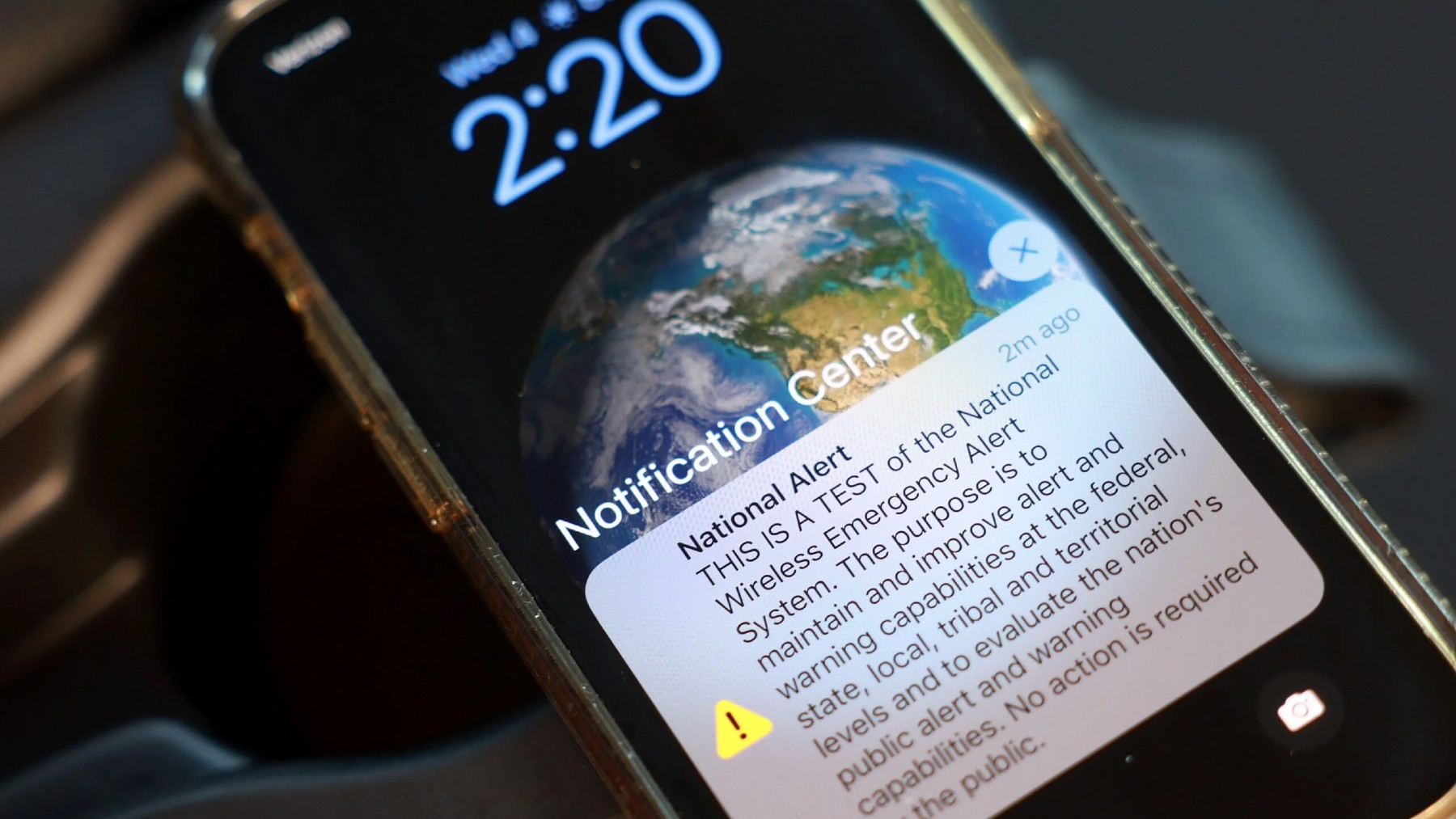
At the same time, it is designed for devices or machines that wish to communicate in a more sustainable way, especially for alert systems or the geolocated tracking of an asset. In this context, Alvarez gives the examples of alert systems and tracking.
When a variable is transformed into alert systems, any asset can be monitored to send a modification alert. On the other hand, when we talk about tracking, we are not referring to conventional tracking, but to the fact that at any time a daily photograph can be taken of a location without the energy expenditure of fiber optics (in a more environmentally friendly way).
Can 0G and 5G complement each other?
The managing director was clear about his position on the possibility that 0G and 5G can be complementary: “They can be used in a complementary way, in fact, we have customers who use us as a backup network that alerts us if the other network is down.”
“For example, the police in France use us because we are the cheapest and most efficient network, and depending on the amount of data they send, they use our network or a 4G network. It’s not just ‘since one doesn’t work, I use the other,’ but also depending on the intended use, it makes more sense to use one or the other.”
As new standards appear on the scene (2G, 3G, 4G…), their predecessors surrender to obsolescence. However, because the 0G use cases are clear and require little information, it is thought to be a standard with a lot of present and future potential.
It works with radio frequency technology and is an alternative standard. At the same time, it does not require access via SIM, WiFi or Internet. The big difference between 0G and the rest of the networks is that it is not directly connected to the network, so it requires less energy. It only sends messages or notifications when needed, which is what we are looking for.
This is in contrast to what happens with smartphones that waste a lot of battery because they are on all day long in order to receive a call. Manuel Álvarez gave an example to explain it: “5G would be like using a highway to cover the needs of the urban bike lane. The 0G would be that same bike lane: a road adapted to the needs, dimensions and specific characteristics”.
Expectations are high for the 0G, but there is still time to wait
What is certain is that a network of this type would help us to face the ecological transition in a different way. In this sense, there are experts who advocate using it for the communications of companies and institutions that want to have a neutral carbon footprint, also reducing electricity consumption in the system of the so-called telecoms.
The extension of 5G networks has meant a deployment of unbearable energy resources, so 0G would give rise to a new way of communicating without consuming an inordinate amount of electricity. It would also do so in the most critical sectors, such as security, which require a more stable rather than massive flow of information.