In the world of driving laws and regulations, nothing is probably more contested than the speed limit. Speeding is not only one of the most regularly abused laws on the road, but is also the source of a significant number of road fatalities and injuries. Attempts to curb speeding are also a major concern for law enforcement due to the prevalence of these road accidents. However, raising the speed limit can also be a way to, ironically, curb speeding-related accidents under specific circumstances.
How (not) speeding causes road fatalities
When it comes to speeding-related fatalities and accidents, it is somewhat self-explanatory the dangers behind this. When you are speeding, especially in bad weather conditions, you have less time to react to other vehicles, risk losing control of your vehicle, and may also need to brake very suddenly, which can cause collisions with other vehicles.
However, slow driving can be just as dangerous. Drivers who drive significantly under the speed limit, especially on an interstate, disrupt the natural flow and movement of traffic. This can cause the faster drivers to need to suddenly react to the slower driver, causing a domino effect with other drivers and risking a collision even if the faster driver was driving the speed limit. Additionally, slower drivers can cause frustration on the road, which causes faster drivers to make more adverse decisions on the road to avoid the slow driver.
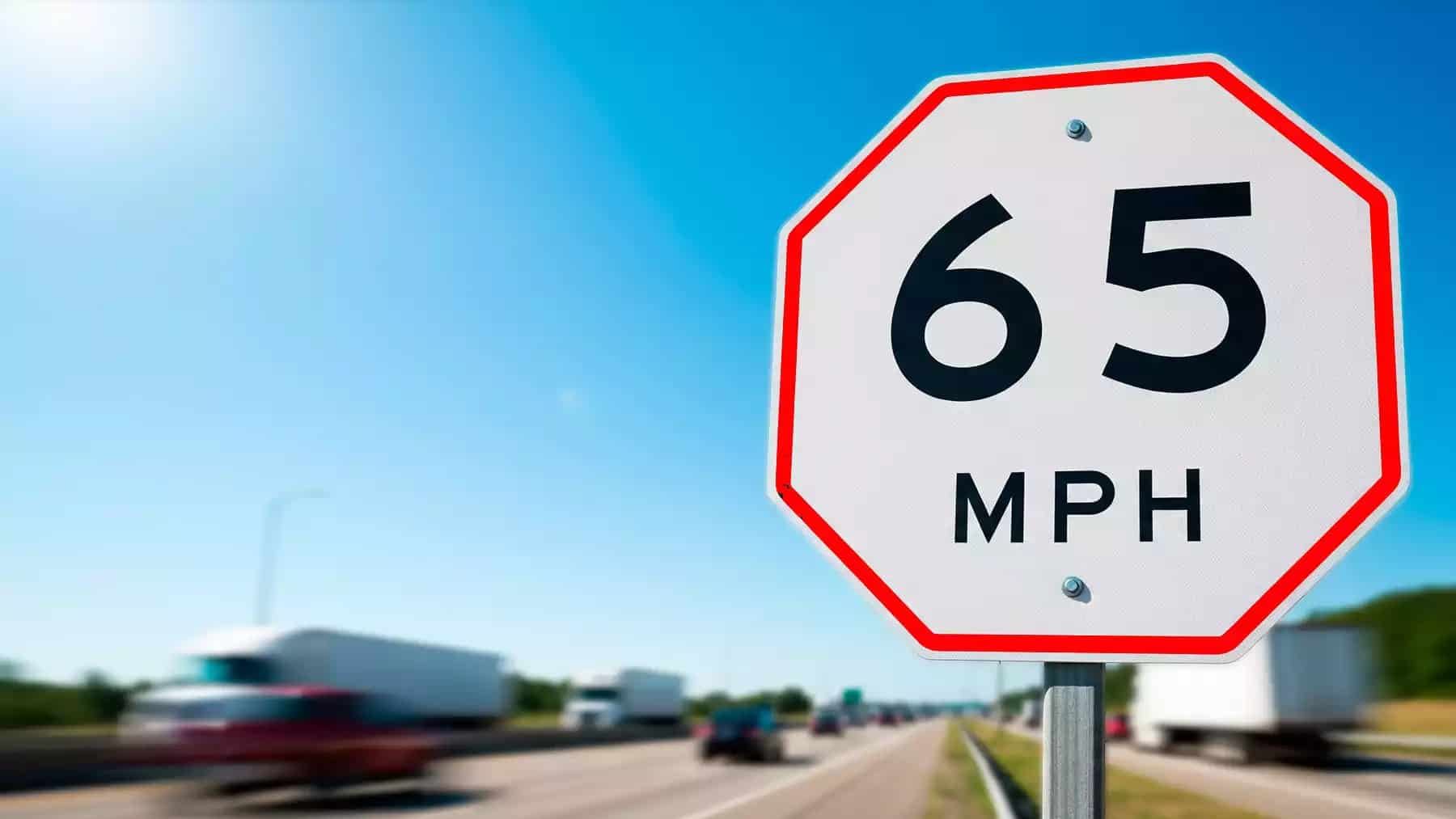
65 MPH speed limit for these individuals
To decrease the number of drivers speeding on Interstate 465 in Indianapolis, Indiana, the state has introduced a bill that would increase the current speed limit of 55mph to 65mph. This is to reflect the reality of the road, which is that most people are driving well over the speed limit, creating a discrepancy between slower and faster drivers and subsequently risking more road accidents.
“The Indiana Department of Transport (INDOT) is currently working to develop plans to safely execute an increased speed limit on I-465,” stated the INDOT in a statement. “We will work collaboratively with the Federal Highway Administration throughout the process.”
House Bill 1461 in the Indiana General Assembly, which will officially raise the speed limit, was signed into law in May earlier this year. The new law will go into effect on July 1 of this year, however, the speed increase will not affect work zones. The bill also allows for Marion County to access up to $50 million in state funds for road construction and reconstruction, contingent upon the county matching this amount with new, non-transportation funds. From next month, Indiana drivers will be able to drive 10mph above the speed limit, this time legally.
Other speeding-related events are going into effect in July, but only next year
Once July 1 hits next month, it will be exactly a year until Virginia introduces their new Intelligent Speed Assistance Program. This program has been specifically designed for repeat offenders who have been speeding, or who have been caught speeding significantly over the speed limit, where a judge can order a speed-limiting device to be installed in the vehicle. The device would reportedly rely on GPS technology to monitor the speed of the vehicle.
Solutions to curb speeding, such as these, solve a twofold problem with speeding: it not only addresses the problem that those who can afford speeding fines generally will continue to speed, but also means that your means of transportation and mobility are not taken away as a punishment for speeding offences by suspending your license. You still have access to your car and can travel, but are merely manually barred from driving above a certain limit, making the roads safer.