SpaceX’s Starship flew for the seventh time on January 16, 2024, nearly taking off but impacting a cloud of explosive debris. Meanwhile, on completion of space exploration debris is raining down from the sky in the Caribbean and some of the questions that arise on the eve of the challenges of space exploration are raising doomsday beliefs around the world. Though the setback exists, the failure provides useful information for the future missions.
Smooth beginning, disastrous ending: Starship’s test voyage takes an intense turn
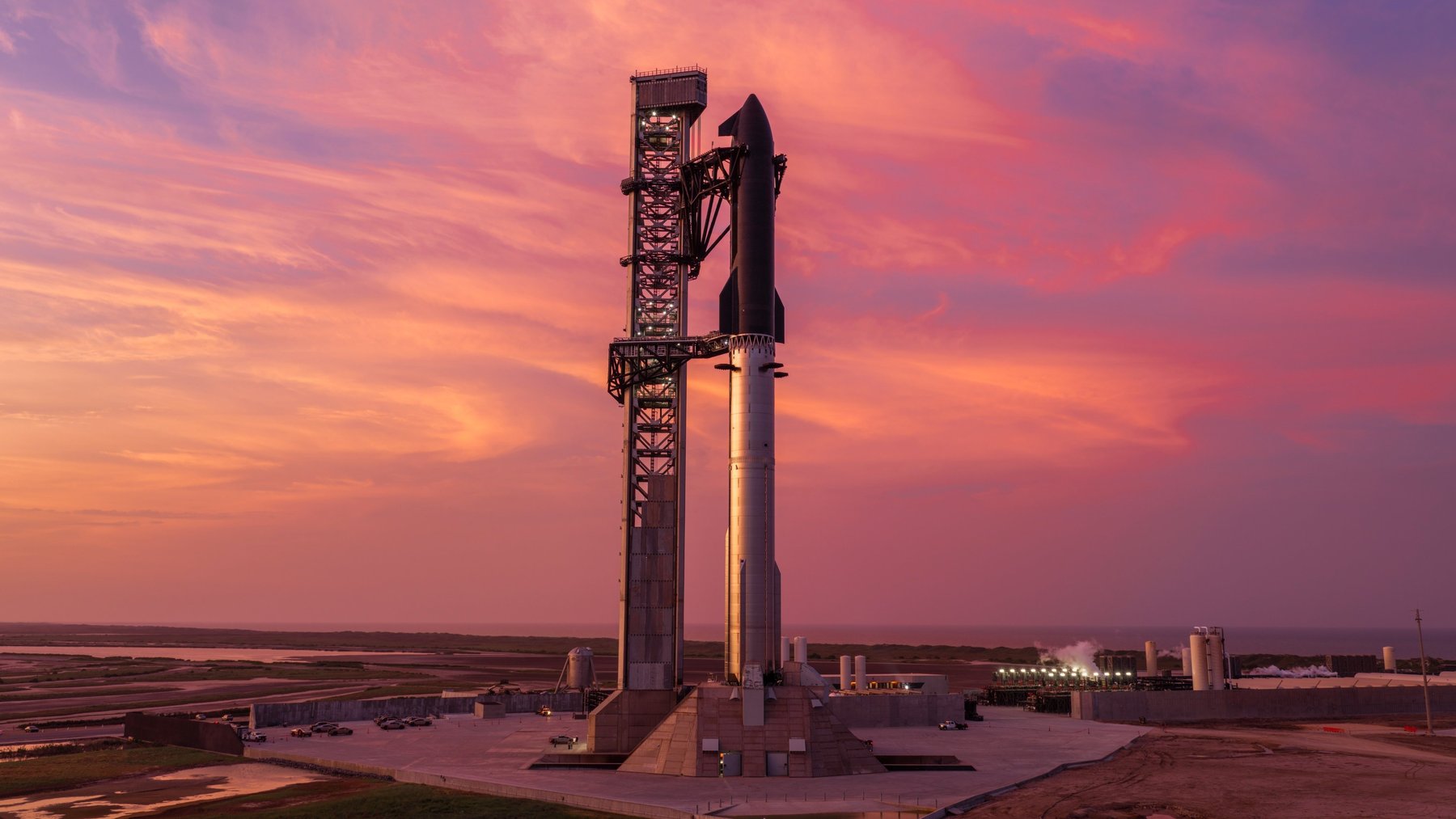
The flight began as expected. SpaceX’s latest iteration of the Starship, with redesigned parts-bigger fuel amount, revised avionics, and new heat considerations-appeared to be prepped for its task. While the 403ft-tall mega rocket set off from the Starbase facility in South Texas, the mission seemed to continue the way it was.
The super heavy booster and ship-based upper stage spacecraft detached as planned, and the first stage landed gently into the arms of the launch tower, grabbed by the mechanical “arms” of Starbase. During the initial seconds of flight, SpaceX’s Starship appeared to fly smoothly, and the rocket’s Raptor engines operated correctly during take-off.
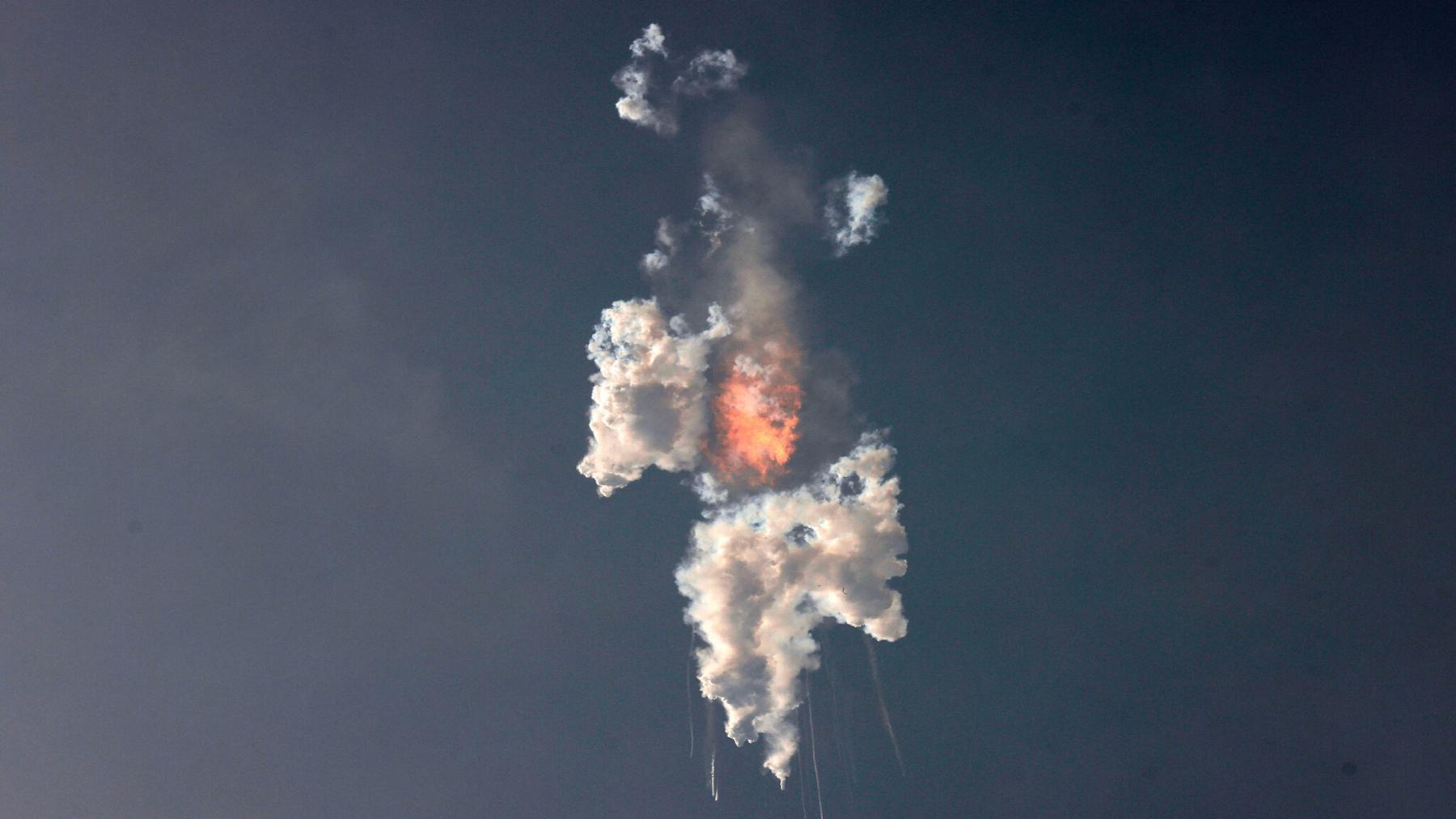
However, things quickly went awry when, at approximately the eighth minute of the flight, the ground team lost contact with the spacecraft, and the situation soon turned catastrophic (just like the riskiest mission faced by SpaceX).
Oxygen/fuel leakage triggers Starship blast: SpaceX plans immediate solutions
An oxygen/fuel leak above the ship’s engine firewall was identified as the possible cause for the explosion. The leakage was substantial enough to create pressure that was greater than the venting capacity, and consequently, it resulted in fire in the aft portion of the module.
The company, led by Elon Musk, explained that this buildup caused a “rapid unscheduled disassembly, a technical term for what the public would call an explosion. Even to the surprise of anyone, SpaceX reacted immediately by beginning to understand the situation.
The companies’ initial report suggested a bug that could be fixed in subsequent flights. Elon Musk himself proposed that the company would do fire suppression in the contaminated zone and enhance the venting capability to avoid a similar case.
Attention to the small things was obvious, and remediation of the problem planned to be accomplished in a short time was already being discussed. This preventive strategy is also a part of SpaceX’s overall goal to send Starship, in this case, on a very frequent basis, as SpaceX has also petitioned to fly up to 25 times in 2025.
Starship debris rains on Turks & Caicos: FAA releases safety warnings
Following the terrific explosion, the debris of the Starship rained down from space like a storm of “shrapnel” in metaphor. Although nobody was hurt by the explosion, debris fell on the hazard point zone, located in vicinity of the Turks and Caicos Islands (Caribbean).
The blast was such a strong impact that the US Federal Aviation Administration (FAA) posted safety advisories to pilots, advising them to be aware of possible descending debris in the vicinity. Air traffic was temporarily rerouted and aircraft operations resumed once the incident was brought under control. While this explosion was spectacular, it did much to show the unsettlingly random character of spaceflight and the dangers of testing these grand technological dreams.
Shrapnel-riddled sky was a poignant reminder of the merciless nature of the forces of space itself in the context of rocket propulsion, and the extremes of Earth’s atmosphere. The show was disturbing, but a good thing in the context of the learning curve of a company at the forefront of space flight.
SpaceX’s Starship blast, failure, is used as a demonstration of the company’s push for innovation. Figuring out the root cause and fixing it ensures the mission of SpaceX and ensures the continuation of deep space exploration (such as NASA’s surrender to the most ambitious challenge in history). Such event highlights the hazards of exploration but also it is a take-off point for mankind’s expedition to the stars.