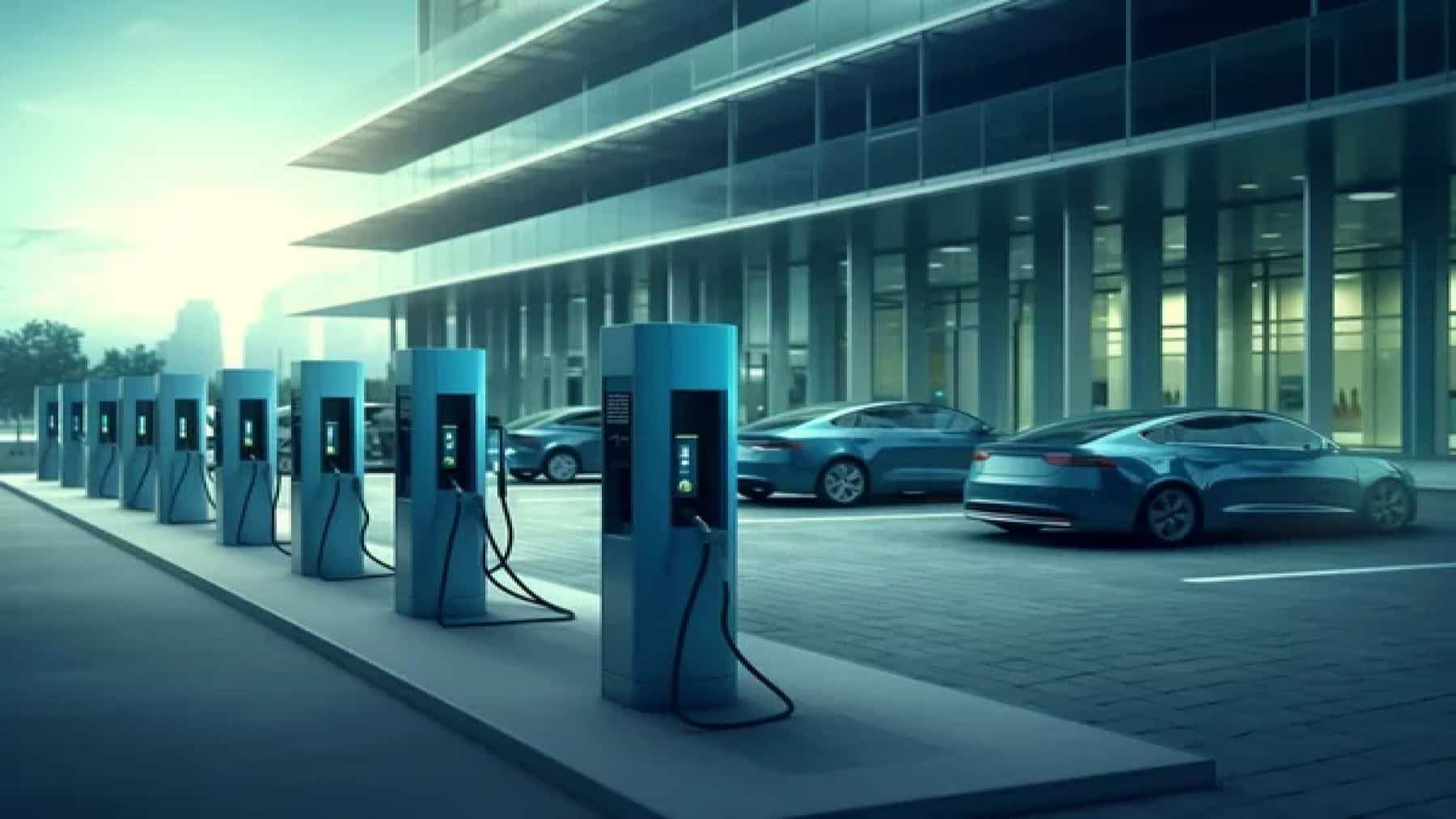
In a recent turn of events, the General Service Administration (GSA) has decided to shut down all 8,000 of their electric vehicle charging stations. The GSA is an independent governmental agency which oversees the management of different departments within the federal government. The move comes as a shock, as electrical vehicle pioneer and CEO of Tesla, Elon Musk, joins the Department of Governmental Efficiency (DODGE).
Charging stations to be put out of use
According to an email sent out by the GSA, the charging stations have been deemed as “not mission critical” to the functioning of the department: “As GSA has worked to align with the current administration, we have received direction that all GSA-owned charging stations are not mission-critical,” the email says. “Neither Government Owned Vehicles nor Privately Owned Vehicles will be able to charge at these charging stations once they’re out of service.”
The email continued: “The GSA is working on the timing of canceling current network contracts that keep the EV chargers operational. Once those contracts are canceled, the stations will be taken out of service and ‘turned off at the breaker,’” the email continued. “Other chargers will be turned off starting next week.”
In 2021, President Biden signed an executive order which required that all federal vehicle purchases produce zero-emissions by 2035. This catalyst the GSA to rapidly begin electrifying the federal vehicle fleet, however, the recent election of President Donald Trump has put a halt to the process. The Trump administration has been putting halts on multiple renewable energy products, including freezing the funding Biden had reserved for a nationwide EV charging network.
The GSA has yet to confirm if the reports are true.
Elon Musk joins the Trump administration with DODGE
DODGE is an advisory board created by the Trump Administration which is headed by Musk. The role of DODGE is to advise and make recommendations with regards to improving governmental spending. Part of this includes reducing the federal workforce in order to ensure that taxpayer money spending is being put to the best and most efficient use possible.
What is important to note, is that DODGE is not an official governmental department, but is instead an external body which has been appointed by President Trump through an executive order. Musk has stated that a primary goal of their operation is to not only save taxpayer money, but to also reduce governmental debt, which is currently sitting at $36 trillion.
While the initiative has been met with praise from some, many government and policy official have criticized the introduction of DODGE. “They’re shining a very bright spotlight on various parts of the federal government and they asking, whether it’s the American public, whether it’s moderate members of the Republican caucus – is this how you want America’s tax dollars to be used?” says David Ditch, a senior analyst at the Economic Policy Innovation Center, in support of the project.
The biggest criticism Musk has received within his role is howe he has not been acting with transparency, as well as spreading misinformation and exerting too much control as an unofficially elected elected.
Electrical vehicle halts complicate Musk’s involvement
It remains unclear how the relationship between Trump and Musk is set to play out amidst Trump’s rapid rollback on electrical vehicle and renewable energy policies. Musk’s company Tesla dominates the renewable vehicle industry in the US, accounting for nearly 50% of the market share of current electrical vehicles on the road. However, since the election of the Trump administration in January for a second, non-consecutive term, Tesla sales have been vastly reduced. However, electric and hybrid vehicles from, across automobile companies remain a popular choice for consumers.