Alternative fuels arrived years ago as a minority option, but have been spreading due to the numerous problems that EVs are bringing (and that, at this point, are undeniable). However, it seems that hydrogen is not going to be the option of the future either, since a group of scientists is developing something even better: this is the engine of 1 million km of autonomy.
Neither hydrogen, nor electricity, but maybe not a good idea: this is the new engine
There is a new idea of a car that would cover 1 m km unlimited distance on only eight grams of thorium fuel gone viral. Thorium, a slightly radioactive metal, may turn out, to be a very promising alternative power source, compared to the conventional fuel for cars.
Talking about the claims of a car which is running on thorium and requires no refueling may just sound too excellent to be correct. People consider thorium as one of the possible sources of secure, clean and nearly limitless abundance. You know our position on nuclear energy, but this engine is quite different.
This is the first-ever thorium-engine: a polemic, but futuristic invention
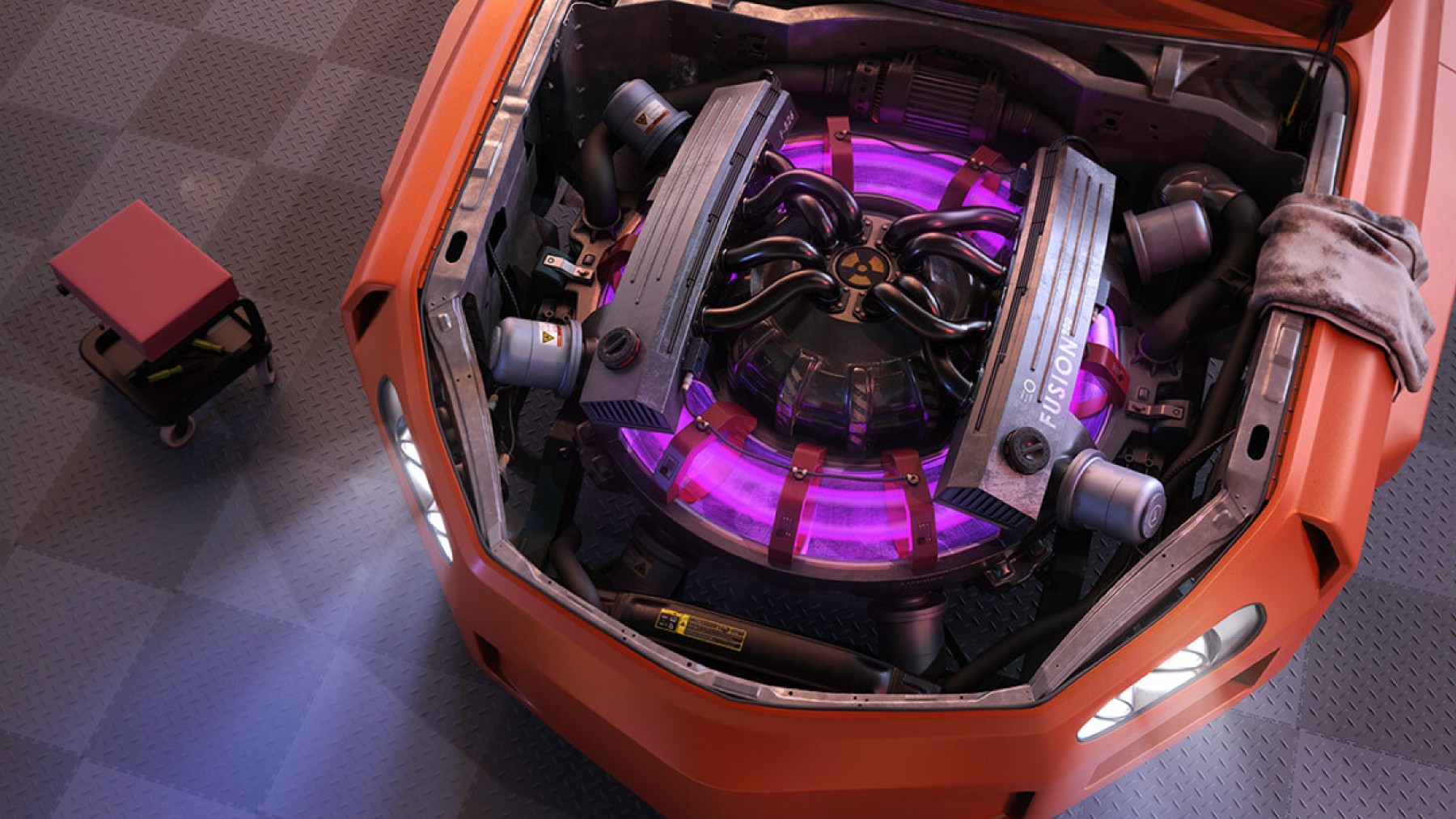
The actual principle behind a thorium-battery car takes advantage of nuclear batteries by means of employing the thorium as a material. It is a radioactive element that can produce nuclear fission. Thorium is as simple as uranium with the reserve of being non-fissile therefore can’t sustain itself to nurture a chain reaction
Unlike the standard car with a gasoline engine, the thorium car will use a compact thorium reactor to provide a neutron starting load that will trigger the thorium-to-uranium conversion. Instead, it could be effectively utilized to pump water through turbines, which could then drive the electric propulsion system of the spacecraft.
Thorium and uranium are equivalent to gasoline regarding their energy density (they have more than 1 million times). Hence, when optimistic calculations are conducted about powering a car for 1 million miles with only 8 grams of them then they require to be replaced.
Such a thorium reactor acts are an alternative to a lithium-ion battery where power from the thorium is released as it is used up. This fact is asserted by proponents of it as it has its distinctive long driving ranges that are not comparably found in conventional cars.
This is an experimental engine, but, it´s as good as they claim to be?
The science behind the thorium car’s alleged capability to travel 1 million miles on only 8 grams of thorium and that this seems to be exaggerated and not possible based on the present thorium technology. Thorium an radioactive element which can probably use as nuclear fuel. It is impossible without the energy source either.
To obtain energy from thorium through nuclear reactions, thorium must be first converted in to uranium-233 by neutralizing the particles in a special reactor. The subject is still on the go for researching heat generated to turn the generator which is then used to harness electrical power that propels a vehicle.
The volume of thorium, which is claimed to last for 1 million miles (1. 6 billion kilometers), a small number. By converting 8 grams into uranium-233, this scenario describes a city that would not be described realistically as having a nuclear power unit small enough to have enough fuel to propel a vehicle that far.
Can you imagine a thorium engine driving on the road? Of course, the fact that it is based on nuclear reaction, albeit on a small scale, does not convince the manufacturers (you saw it last week when we talked about a similar prototype). However, it shows that not everything will be based on electricity or hydrogen, with new fuels that will rival and make it very difficult for them.