The sustainable mobility sector is booming, not only because of the pressure that governments around the world are putting on combustion cars. It is also due to the intense production of EVs that countries like Germany or states like Detroit are doing… until now. China has just announced that it wants to put an end to this massification, and will put the full force of its ultra-cheap cars behind it.
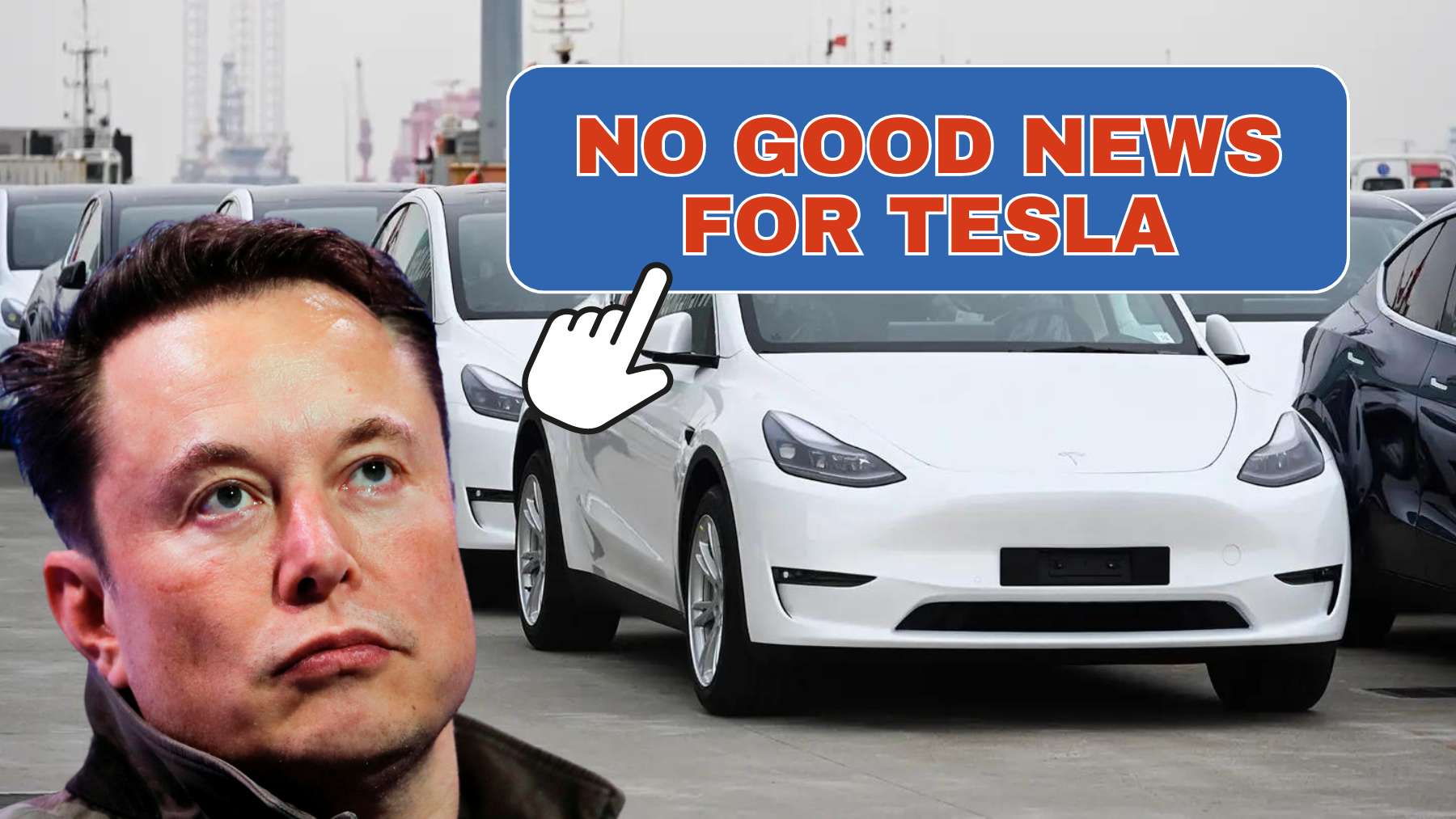
China is taking the lead on EVs industry: there´s no good news for Tesla and U.S.
The growth in the Chinese economy is presently declining at an alarming rate. Real GDP growth dropped from 5. 5% in 2023 to only 3% in 2024 – the slowest pace in decades. This has been due to declining exports, stubbornly high youth unemployment, a moribund property market and heavy COVID-19 lockdowns.
The slump has hit China’s EV manufacturing sector that has been the fastest growing in the world lately. The global EV market share is now dominated by China – it makes half of the global sales, and Chinese automakers such as BYD can now compete as well.
But demand is being softened by the economy recession affecting the major export markets as Europe and America. This comes after the industry is experiencing stiff competition from foreign entrants such as Tesla. The new tariff has not deterred many Chinese automakers who are making huge investments.
Chinese brands enter the Western market: Europe and the United States?
The advent of Chinese EV manufacturers such as BYD and NIO is a recent phenomenon. All these companies have used their domestic market and favorable government policies to record high growth rates. BYD began in the field of batteries and then moved on to cars and became the world’s largest seller of electric cars in 2015.
It delivered a combined 630,000 units of plug-in EVs in the year; a superior number than any other automotive manufacturer in the world. It’s majority of sales are made in china but it’s seems to open up to the rest of the world as well.
NIO pursued a more specialized strategy and invested in luxury electric sport utility vehicles and sedans. It has created billions in value and taken substantial market share with ingenious battery-swapping stations. NIO is a pioneer in China’s EV industry as it delivered over 122,000 vehicles in 2022 and has a high valuation.
According to the Chinese companies BYD and NIO such trend has gradually gathered momentum that is steadily pushing aside the western car makers from China market. For instance, Tesla held approximately 15% of China’s EV market in 2021 but it has since reduced to below 10% within two years.
China announces a historic crack down: farewell to its EV industry for this reason
It has become a concern for Beijing as the overall economy of China has been gradually decreasing; EVs have been involved in unprecedented bubbles and overcapacity. In January 2024, to further control the EV manufacturing approvals in China, NDRC made more rules to reduce the new approvals of EV projects.
Accordingly, the new policy will involve certain criteria that automakers will have to meet for approval of new EV projects. This includes; utilizing of advanced technology, a strategy to export a large proportion of the produced output and a production capacity of at least one hundred thousand cars in one year.
The restrictions are the strongest move by Beijing yet to rein in further growth against decreased EV demand increase. China managed to sell over 25 million EVs in 2023, but the sales for this year are only projected to reach an increase of single digits.
Through the use of such measures, Beijing aims at minimizing approvals for the construction of EV plants in a bid to reduce or manage excess capacity. The government has now become cautious about the industry’s crazy growth with economy slowdown.
As you can see, China’s new strategy is intended to be a definite boost to its EVs industry, which is skyrocketing thanks to the popularity of brands like BYD that have burst onto the scene in the European Union. Meanwhile, on the other side of the Atlantic they have not arrived, but their effects on brands such as Tesla are being felt. What’s more, Detroit is in serious trouble due to the extremely high level of competition, and the situation will get worse.