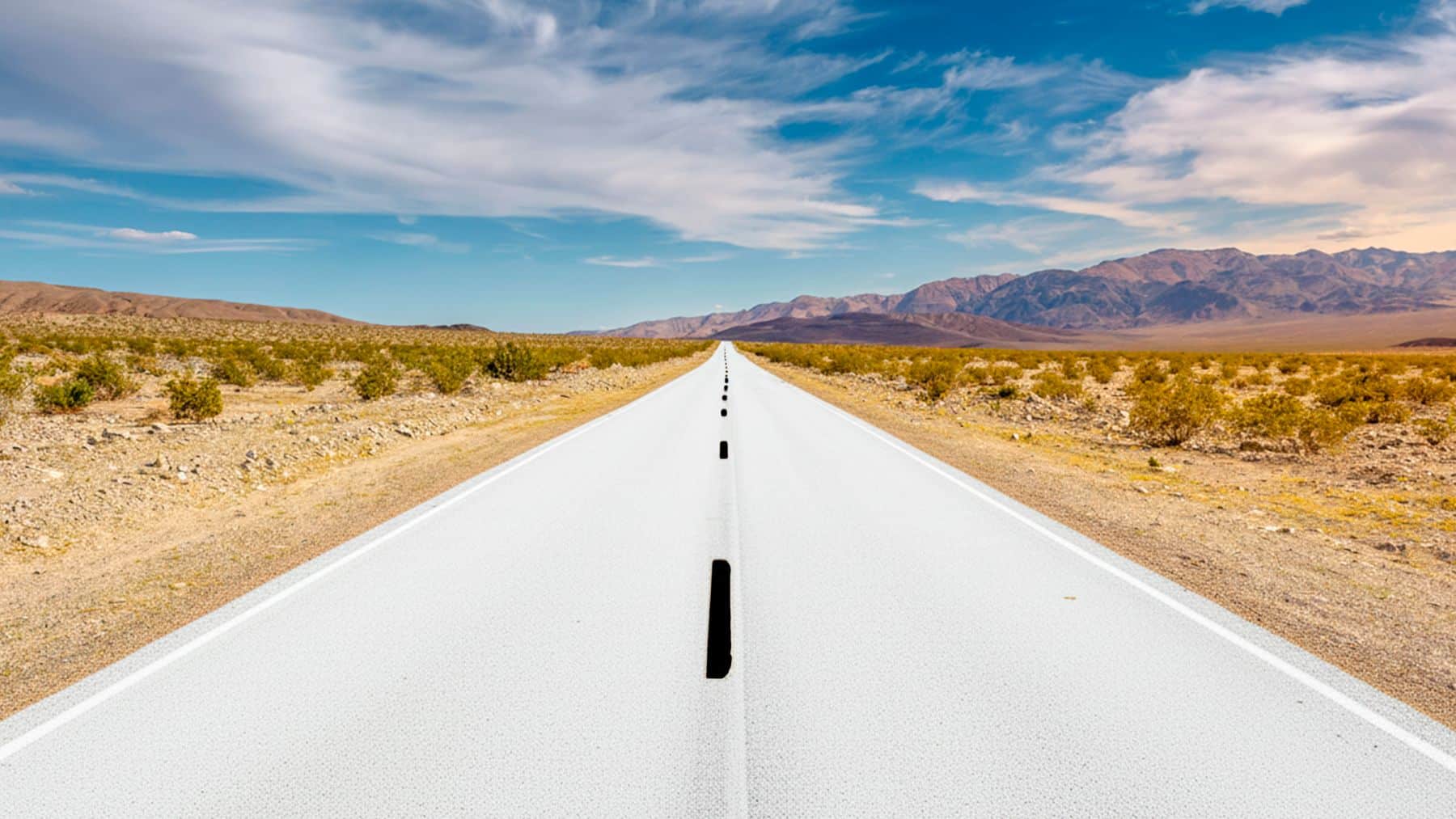
Goodbye to black asphalt; these streets may see a white road makeover. Maintaining road safety continues to be a priority for lawmakers and road traffic authorities. While many of these efforts are usually concentrated on changing legislation in order to increase the severity of penalties associared with unlawful driving behavior to keep drivers abiding by the law, other road safety interventions also relate to road maintaince. Keeping the roads not only well-kept, but also changed to improve driving conditions, is just as important as driving penalties.
Road safety beyond severe driving convictions
To reduce the number of road traffic accidents and fatalities on the road, authorities across the state have been implementing harsher legislation that cracks down on drivers who continue to engage in unlawful driving practices. These include implementing penalties such as increased fines, jail time, and license suspension for traffic offences, which previously may not have had a significant penalty attached to it. These legislative changes highlight how authorities are taking on a zero-tolerance approach to unlawful behavior, and that convicted drivers will be punished accordingly for endangering the lives of others on the road.
However, relying on increased convictions alone will not result in significant reductions in unlawful driving behaviors. Multiple intervention are needed in order to provide a holistic approach which is not rooted in punishment. One way this is being seen is through the increase in automated camera technology across locations to monitor the roads when traffic authorities are not present. Other solutions include introducing more novel conviction approaches that are not rooted in a fining system in order not to unfairly target low-income drivers.
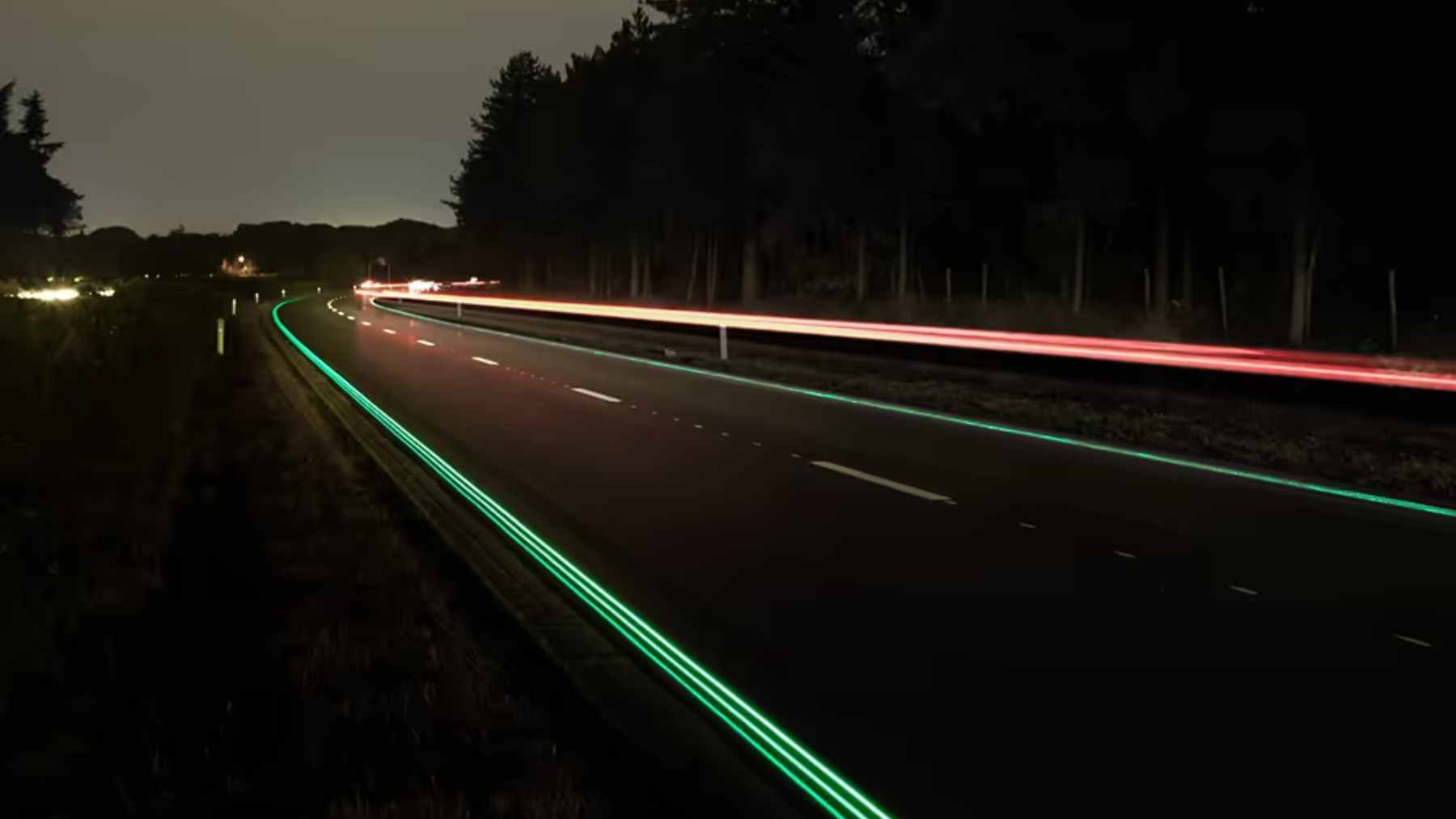
Other measures include targeting road design in order to improve the conditions of the roads. This ensures better visibility and clearer guidance for drivers, which is particularly important for those drivers who must commute in bad weather conditions. Structural improvements ensure a more consistent and predictable driving experience for all.
No more black asphalt roads for these drivers
Recently, Los Angeles has become the first city to experiment with replacing its current black asphalt roads with white roads instead. Black asphalt roads typically absorb 80%-90% of the sun’s rays, resulting in very hot road surfaces on notably hot days. This can be dangerous for drivers as extreme heat can cause road erosion, put increased strain on vehicles, and reduce tyre traction
By painting the roads white with a water-based asphalt emulsion, the roads reflect the sun’s rays instead of absorbing them, which can lower temperatures by as much as fifteen degrees. However, there are two barriers that come into play pertaining to the widespread implementation of this solution in locations that see very hot temperatures:
- Cost: The project to do so it costly, with Los Angeles paying $40,000 per mile to paint the white roads.
- Other safety considerations: The black asphalt helps to get rid of moisture faster, meaning this material is here to stay as opposed to replacing paving the roads with concrete to reduce the heat effect.
Encouraging alternative modes of transport for safety
On top of these road design pilot investigations to ensure that the roads support safe driving practices, other authorities are targeting drivers who do not make the roads conducive for road users who use alternative modes of transport.
Maryland recently introduced new fines for drivers who drive, park, or stop in designated bike lanes. These convictions are an important addition to promote road safety, as sustainable transport means to encourage road users to not only make use of passenger vehicles. By protecting these designated lanes from obstruction, drivers are more likely to make use of bicycles and other modes of transportation if they can guarantee that their safety is being taken into consideration.