This state is taking new lengths to increase road safety, with jail time on the line for offenders. Preventing road accidents is a serious priority for the vast majority of states. Local governments and law enforcements dedicate a significant amount of time in trying to reduce road traffic fatalities and serious injury– as such, new policies and regulations are constantly in the works to address dangers on the road. With road policies left largely up to individual states, the regulations you must follow will vary widely depending on where in the US you find yourself.
Extreme lengths taken to prevent speeding
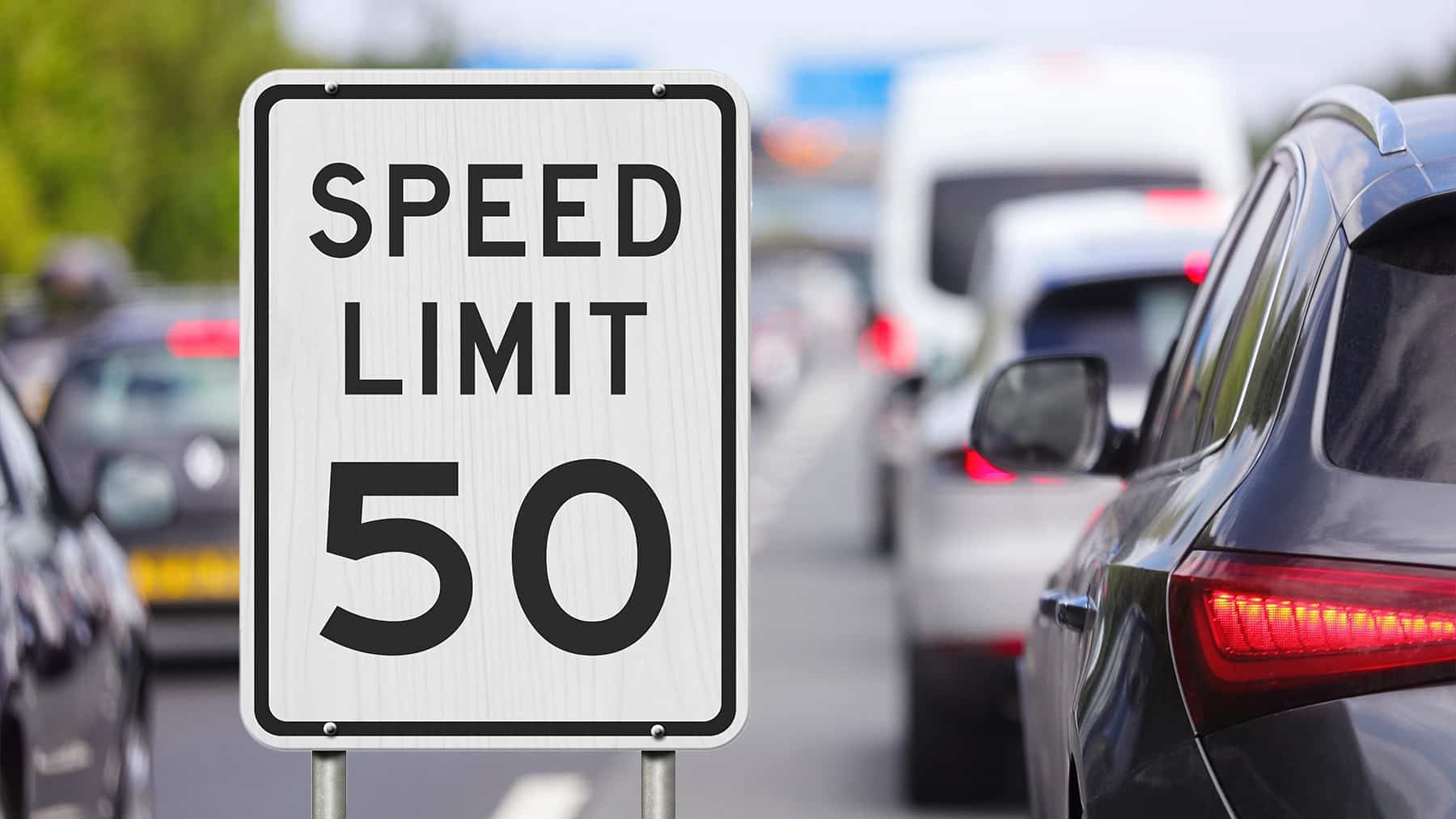
When it comes to keeping citizens safe on the road, reducing speeding is a primary focus for most states and their relative law enforcement agencies. According to data from the National Highway Traffic Safety Administration (NHTSA), speeding accounts to around one-third of all injuries and fatalities caused by traffic accidents. Speeding poses a serious risk to other drivers’ safety in addition to your own. In addition to having less time to respond to other cars on the road, the chance of a fatality or serious injury occurring in an accident increases with the speed at which you collide with an object or other vehicle.
As such, speeding fines exist across all states, with some taking harsher measures than others in order to discourage drivers from driving over the speed limit and keep the roads safe. In addition, other interventions are being implemented across states, such as automated camera technology, to assist law enforcement with fining individuals who break the speed limit thereby endangering the lives of others.
Jail time for these offenders in this state for speeding
In Florida, a recent piece of legislation was implemented at the start of this month in order to crack down on drivers who continue to drive over the speed limit. House Bill 351 in the Florida Senate is aimed at drivers who are driving excessively over the speed limit, who the state is dubbing ‘super speeders’.
Already effective for nearly one month, the bill would see a driver who drivers 50mph or more over the speed limit will face a $500 fine if convicted as well as 30-day jail time. Second or subsequent offenses mean up to 90 days in jail, a fine of $1,000, or both. In addition, you will have to do the following if caught speeding excessively like this:
- You must attend a mandatory court hearing before a court official if driving more than 50 mph over the speed limit
- If caught driving more than 30mph or 50mph over the speed limit, it is up to the law enforcement officer to decide the appropriate civil penalty
Florida joins the likes of other states this summer in implementing strict and extreme penalties for speeding and reckless driving with more families traveling together with the school closures.
New crackdown for drivers in this city
While Floridians face the risk of jail time and high fines for excessive speeding, if you hail from Minneapolis, Minnesota, you too are not off the hook. A new pilot program was recently implemented in the city which will see the first automated speeding cameras put into place as part of the ‘Vision Zero’ project.
Additionally, drivers from this city face limited leeway in terms of being caught speeding. On your first speeding offence, you will be issued a warning from law enforcement, however any additional offence will see you needing to pay your speeding fines. If you are caught driving 10mph over the speed limit, your fine will be $40 however this amount doubles to $80 kif you speed 20mph or more over the speed limit, However, for your first fine, you may offset the cost if you attend a traffic safety class.