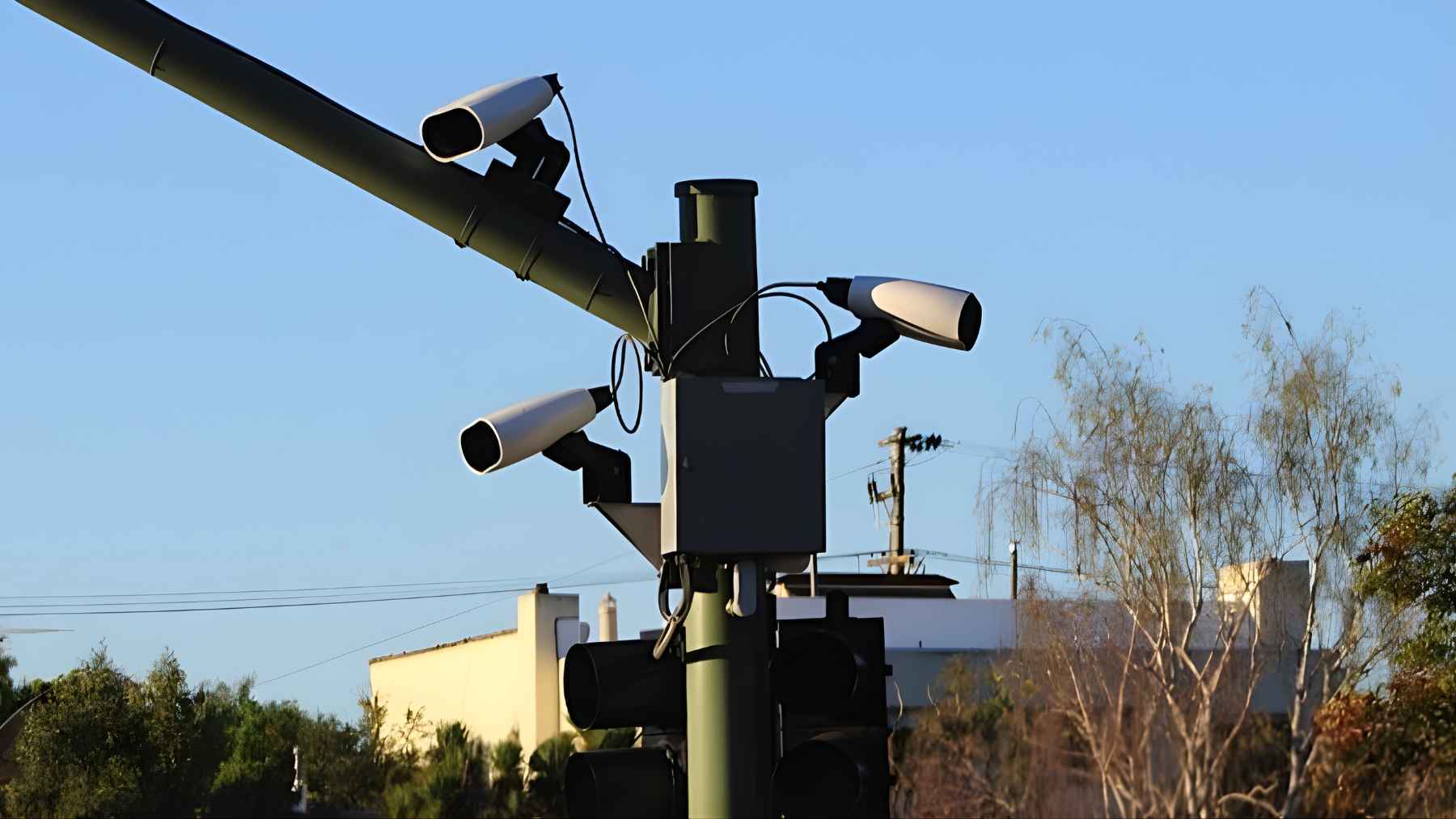
Automatic license plate readers, often called ALPRs, scan plates on moving and parked vehicles, compare them to watch lists, and store time-stamped location data in searchable networks.
More than 80 cities, six counties, and three Tribal governments in Washington have already contracted with Flock Safety and similar companies, so everyday trips to school, work, clinics, or the grocery store may already be recorded many times each week.
Researchers at the University of Washington have shown how easily that information can spill beyond local control. Their work, cited by state officials, found that at least eight agencies in Washington enabled direct data sharing with U.S. Border Patrol, despite the state’s sanctuary policies for immigrants and people seeking sensitive health care.
In another case described in the same briefing, a Texas police department accessed Washington ALPR data while investigating a woman who had obtained an abortion, a pattern that broader privacy researchers have also documented.
So the question is simple, even if the technology is not. How much tracking is too much for a routine drive across town?
What Washington wants to change
SB 6002 would sharply narrow who can operate ALPR systems and for what reasons. Law enforcement agencies could use the cameras only to search for stolen vehicles, missing or endangered people, plates tied to felony warrants, or vehicles already linked to felony investigations.
Parking agencies could use them to enforce time limits or find cars on impound lists. Tolling and transportation agencies could rely on ALPRs for toll collection, real-time traffic information, short-term traffic studies, and commercial vehicle checks at weigh stations, rather than broad, open-ended surveillance of everyone on the road.
Just as important, the bill draws a set of clear red lines. It would forbid using ALPRs for immigration investigation or enforcement and ban data collection near protected health care and immigration facilities.
Cameras could not be used on or immediately around schools, places of worship, courts, or food banks. The proposal would also keep ALPR data out of ordinary public records requests, while still allowing anonymized access for legitimate research projects.
Data would have to disappear quickly. Most scans would need to be deleted within 72 hours, with slightly longer windows for parking enforcement, toll collection, and traffic studies. Long-term storage would be allowed only when information is tied to a defined legal case, with detailed logs of who accessed it and why.
Violations could be treated as unfair practices under the state’s consumer protection law, and data gathered in violation of the rules could be ruled inadmissible in court.
For sponsor Yasmin Trudeau, this is less about banning a tool than about putting it on a tight leash. “These license plate cameras are powerful surveillance tools,” she said, arguing that communities want both safety and a say in how their movements are recorded. She also called the issue “urgent” and invited a tough public debate during the legislative session.
From privacy to pollution
At first glance, all of this sounds like a civil liberties story, not an environmental one. Cameras watch cars, not forests or rivers. Yet the way cities wire their streets has a real footprint, both social and ecological.
Security devices are a fast-growing part of the electronics industry. Analysts expect the global video surveillance market to climb well past $100 billion in the next few years, which means millions more cameras, servers, and networking boxes entering production lines and eventually the waste stream.
Energy studies suggest that cameras themselves can account for 60% to 80% of a surveillance system’s power use over their lifetime, a quiet but steady draw that adds up across thousands of intersections and parking lots.
All of that hardware eventually becomes e-waste. United Nations backed monitors estimate that the world produced around 62 million tonnes of electronic waste in 2022, with only about 22% documented as properly collected and recycled.
The International Telecommunication Union and the World Health Organization warn that this stream is growing far faster than formal recycling systems can keep up and that poorly handled devices release toxic substances into the environment.
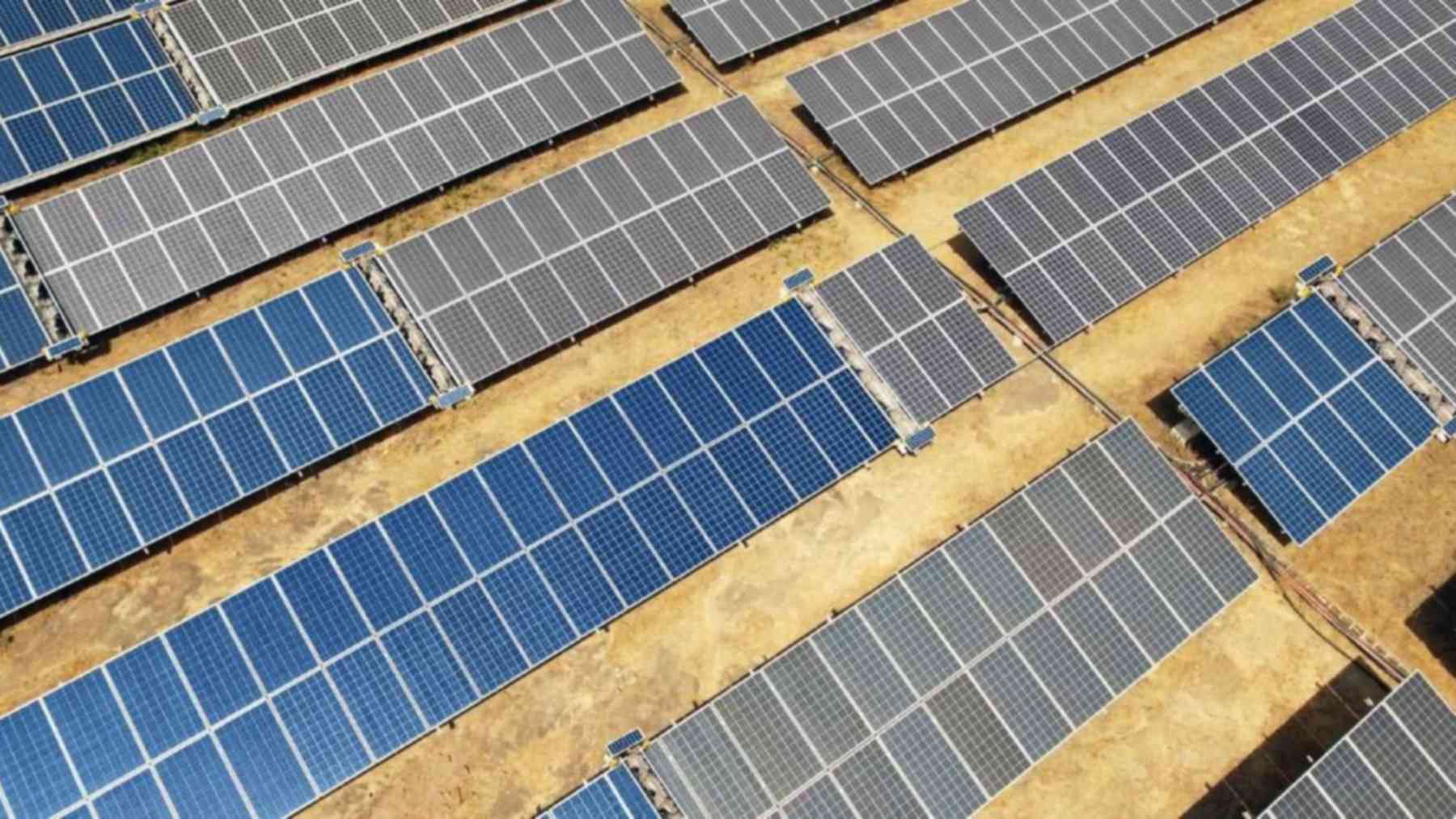
There are efforts to blunt the impact. Some ALPR units now run on small solar panels and batteries, which can cut the need for new underground power lines and make installations more energy efficient.
Smart mobility firms also argue that well-managed ALPR networks can ease congestion, reduce stop and go traffic, and in turn lower fuel use and tailpipe emissions in busy corridors. Anyone who has sat in a summer traffic jam with the air conditioning on full blast knows how appealing that sounds.
On the other hand, civil liberties groups note that the same systems can map visits to clinics, food banks, union halls, or protests in ways that chill basic rights. That is why organizations such as the ACLU of Washington have pushed for a law that blocks ALPR data from being used for immigration enforcement and tightly restricts sharing with outside agencies.
For communities already facing higher pollution levels and climate risks, the idea of being tracked whenever they seek care or assistance feels like one more burden layered onto daily life.
What it means for drivers and greener streets
For most drivers, the practical change would not be dramatic at first. The black boxes on poles would still be there on the commute, watching cars roll past in the rain. The difference is what happens next.
If SB 6002 becomes law, scans from an uneventful morning school run would have to vanish within hours, instead of sitting in a searchable archive that might be tapped years later for unrelated reasons.
In everyday terms, that kind of rule making helps define what a sustainable transport system looks like. Cleaner vehicles, more transit, and better bike lanes all matter. S
o does trust. People are more likely to accept low-emission zones, congestion tools, and digital traffic management when they believe the underlying systems respect both their privacy and the environment their children will grow up in.
The debate now unfolding in Washington will not be the last. Cities across the world are testing smart traffic technologies that sit at the intersection of safety, climate policy, and fundamental rights. Getting the balance right will take time and serious public input.
The press release was published by Washington Senate Democrats.