A British biologist who spent his evenings scrutinizing cancer papers on a laptop has just helped the United States recover millions of taxpayer dollars and pushed one of the country’s most prestigious cancer centers to confront flaws in its research record.
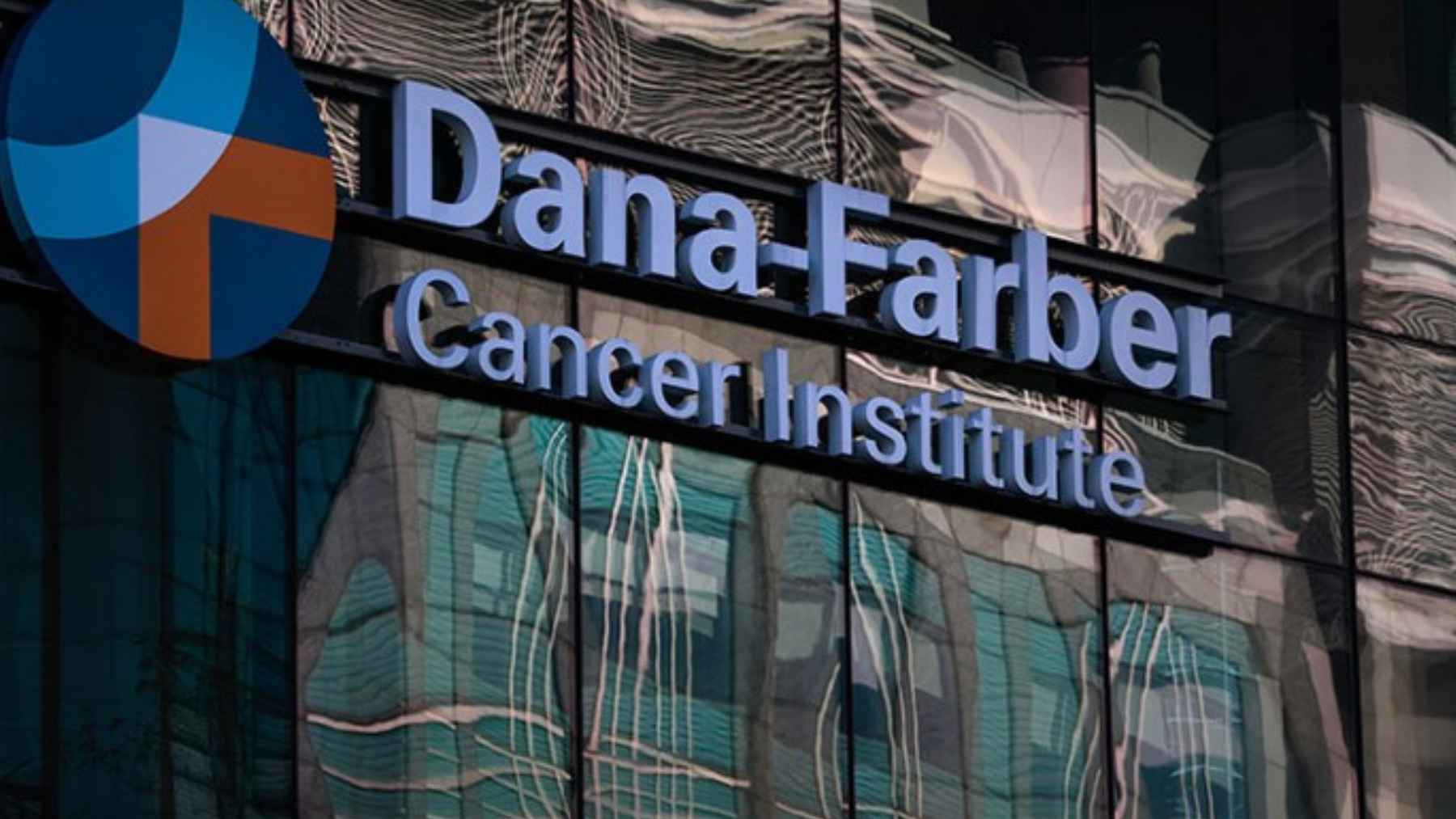
Dana Farber Cancer Institute, a Harvard Medical School affiliate, has agreed to pay $15 million to settle federal allegations that it used National Institutes of Health grants to support studies with manipulated or duplicated images.
In a detailed settlement, the United States Department of Justice says the institute admitted that researchers used money from six NIH grants to produce more than a dozen journal articles where images were reused, stretched, rotated, or duplicated to stand in for different experiments.
Officials also say another researcher obtained additional grants after citing earlier work without disclosing that figures in that paper were already known to contain misrepresented data.
Justice Department officials describe the alleged falsification of data as “a serious breach of public trust” that threatens the credibility of the scientific process. They also stress that NIH has limited funds to distribute, so any grant built on unreliable data effectively crowds out more deserving work and slows real progress.
On the surface, image manipulation might sound like a narrow technical issue. In reality, it can ripple outward into many corners of science.
Cell images and animal experiments underpin not only cancer drugs but also research on how pollutants damage DNA, how pesticides affect developing organs, and how environmental chemicals interact with our immune systems. If those pictures are not honest, the conclusions that flow from them can misdirect entire fields.
Citizen sleuths and a changing research culture
For the most part, journals and funders are trying to catch up. Nature and other publishers report a steady rise in retractions tied to problematic images and are now testing artificial intelligence tools to flag suspicious figures before a paper appears in print. It is a quiet arms race between people who want to clean up the scientific record and those tempted to cut corners.
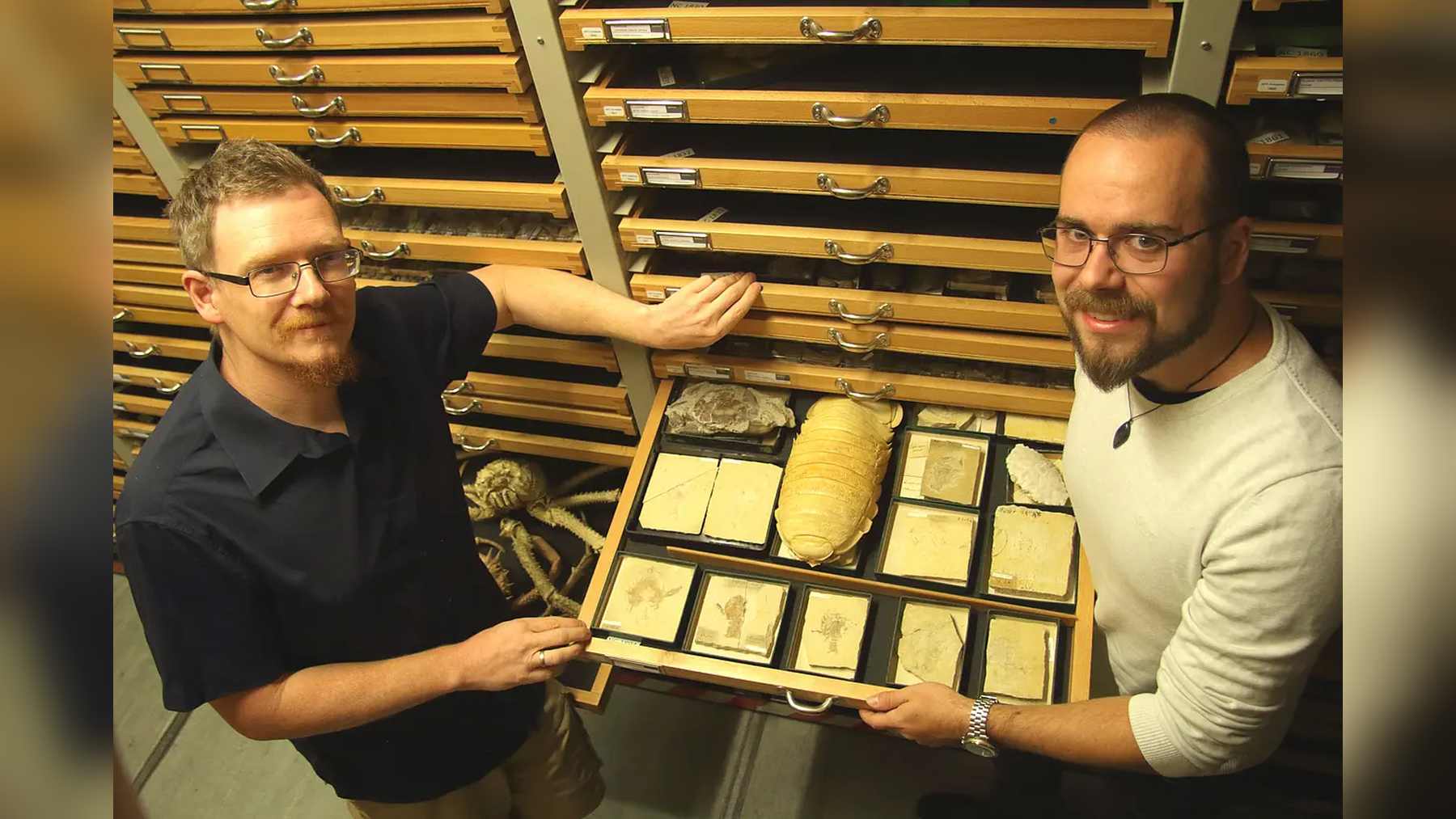
That is where independent sleuths like David come in. Armed with publicly available papers, simple software, and a lot of patience, he and a small group of peers have spent years scanning thousands of studies for duplicated images, inconsistent labels, and other red flags.
Their work is unpaid, often thankless, and yet it is reshaping how universities and journals police research integrity.
This story may sound far removed from your electric bill or the air outside your window. In practice, it is tightly connected. Environmental and climate policy leans heavily on peer reviewed science, from studies of fine-particulate pollution in city neighborhoods to analyses of how extreme heat affects farming communities.
If people come to believe that basic lab data are unreliable, it becomes easier for bad actors to cast doubt on climate reports, pollution limits, or the safety of new green technologies.
Why this matters for environmental and health science
Dana Farber, for its part, has said it “fully cooperated with the inquiry” and is “improving data hygiene” and research integrity efforts. Federal officials credit the institute for summarizing large volumes of material, sharing new allegations voluntarily, and moving quickly to put remedial measures in place.
The settlement does not involve patient care or clinical trials, and the government notes that the claims are still allegations rather than proven liability.
At the end of the day, this case is a reminder that science is a human enterprise that needs guardrails. Open data, image-screening tools, careful peer review, and a culture that rewards people who raise concerns are all part of that safety net.
For readers of environmental and health news, it is one more reason to ask how solid the evidence is behind a bold claim, to favor studies that share their raw data, and to support institutions that take corrections seriously.
The official statement was published by the United States Department of Justice