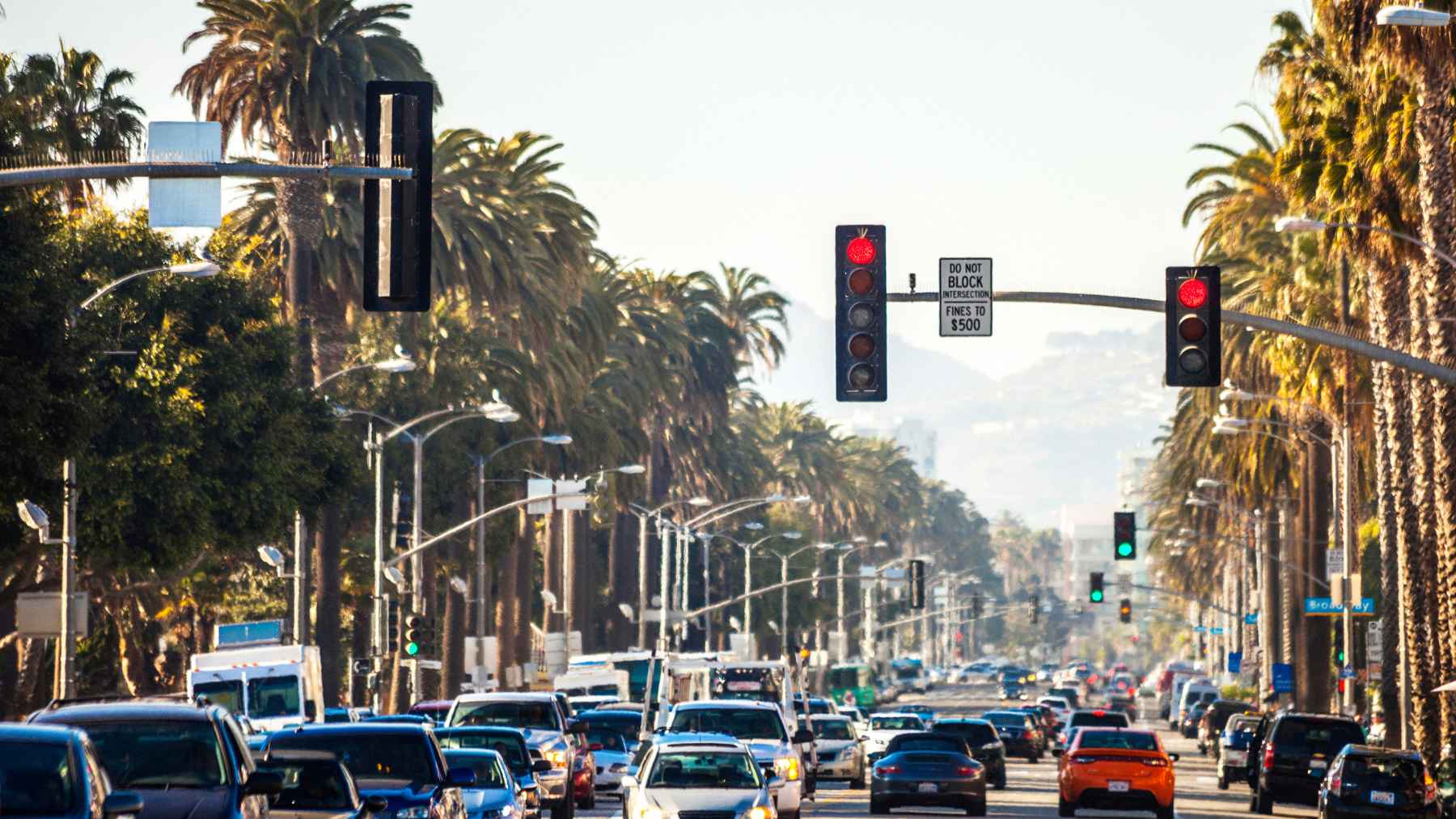
On any given day in California, a driver races a stale yellow, the light clicks to red, and a discreet camera snaps to life. Those few seconds can mean the difference between a routine commute and a deadly crash. Crashes linked to running red lights killed 1,109 people in the United States in 2021 and injured an estimated 127,000, according to the Governors Highway Safety Association and the Insurance Institute for Highway Safety.
Automated cameras are one tool on the table. An IIHS study found that big cities using red light cameras saw 21% fewer fatal crashes caused by red light running and 14% fewer fatal crashes at signalized intersections overall. For people walking or cycling through busy crossings, that gap can be the difference between getting home for dinner and never getting home at all.
Yet at the very moment Gavin Newsom has signed a law to expand automated enforcement, some experts are telling Californians not to rush to pay those camera tickets. That tension sits at the heart of a new debate over safety, fairness, and what truly makes a street livable.
What SB 720 really changes on the street
Senate Bill 720, also known as the Safer Streets Act, took effect in January 2026. The law lets cities and counties run modern automated traffic enforcement programs that focus on red light violations captured by cameras.
The big shift is how the ticket is treated. Violations recorded under the new program are civil, similar to a parking ticket, instead of criminal. There are no points on a driver’s license and no automatic hit to insurance. For a first violation within three years, the civil penalty is $100. If a driver racks up repeat violations within three years, fines step up to $200, then $350, and eventually $500 for four or more offenses.
Instead of photographing faces, the systems are designed to capture the rear license plate and the signal itself. Liability falls on the vehicle’s registered owner. The law also requires a warning phase with notices only, public outreach, and clear signage before real tickets begin.
In practical terms, that means more drivers will see citations arrive by mail after a stressful rush hour or a late-night grocery run. It also means less pull‑over enforcement, which the Legislature notes has historically hit communities of color harder.
Safety money that flows back into the street grid
Supporters stress that SB 720 is not just about catching violations. It is also about redesigning the very streets that generate them. The law says revenue must first cover program costs, then go into traffic-calming projects like raised crosswalks, bike lanes, curb extensions and speed tables. Any leftover money eventually flows into the statewide Active Transportation Program, which funds walking and cycling projects.
For people who rely on buses, bikes or their own two feet, these changes can make daily trips less nerve‑racking. Fewer high‑speed crashes mean fewer gridlocked intersections, less idling in traffic, and cleaner air along busy corridors where many low-income residents live. Cleaner air may not show up on your electric bill, but you can feel it when your kid walks to school without breathing in a cloud of exhaust at every crossing.
So why are some experts telling drivers not to pay?
Long before SB 720, automated tickets in parts of Los Angeles County and elsewhere in the state occupied a legal gray zone. Road advocates like Jay Beeber of the National Motorists Association argue that many camera citations lacked a sworn officer witness, relied on equipment that needs frequent calibration, and were often reviewed by private vendors rather than police.
In that setup, he says, courts could not easily enforce the notices as standard moving violations and often routed unpaid tickets to collection agencies instead.
Attorneys who specialize in contesting camera tickets, including services such as Ticket Snipers and GetDismissed, report having thousands of these citations reduced or dismissed over the years. Their core argument is simple. A bright camera flash does not always equal a legally solid case, especially if signal timing, signage or sensor performance is in doubt.
On top of that, a 2016 investigation by CBS News California found that major credit bureaus agreed with many states to stop listing unpaid traffic ticket debt on consumer credit reports. Unpaid court‑ordered debts, however, can still be sent to the California Franchise Tax Board, which has tools to intercept state tax refunds or garnish wages when local courts refer a case.
In other words, ignoring a mailed notice may not wreck your credit score, but it can still come back around when you least expect it.
Balancing safe, sustainable streets with fair enforcement
For environmental and safety advocates, the evidence that red light cameras save lives is hard to ignore. IIHS estimates that in 2023 alone, 1,086 people died and more than 135,000 were injured in crashes involving red light running, with about half of the victims outside the offending driver’s vehicle.
Automated enforcement, when paired with good signal timing and careful placement, consistently reduces the most violent angle crashes that put pedestrians and cyclists in the hospital.
At the same time, camera programs that feel like cash grabs can erode public trust. If drivers believe a system is unfair or technically flawed, they are more likely to fight tickets, pressure cities to switch cameras off, or simply tune out safety messages.
For now, Californians who receive a red light camera notice face a choice. Read it closely, check whether it falls under the new Safer Streets program, and look at the options for review or appeal before sending payment. And if in doubt, it is worth getting legal advice tailored to your own situation.
The latest research on red light running and camera programs was published on Red light running by the Insurance Institute for Highway Safety.