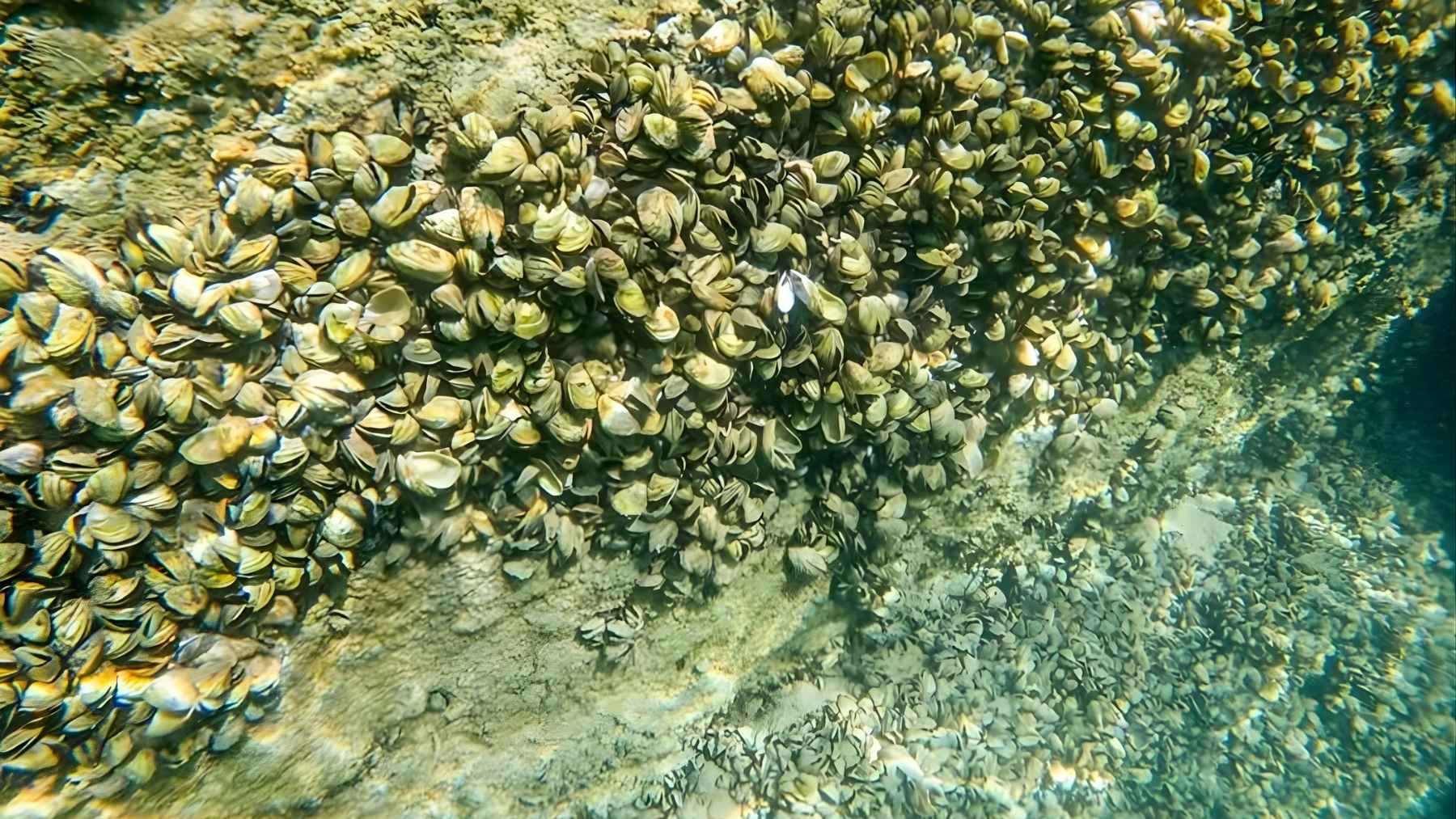
Tiny shellfish that most people would never notice have triggered a major warning in Northern Ireland. Officials have confirmed the first ever detection of highly invasive quagga mussels in Lower Lough Erne, a popular freshwater lake in County Fermanagh.
The mussels, originally from Eastern Europe, are known for spreading fast and disrupting entire lake ecosystems. Stormont Agriculture and Environment Minister Andrew Muir called the discovery “another significant pressure to our already beleaguered freshwater system” and said that “increased vigilance and surveillance is critical.”
First confirmed sighting in Lower Lough Erne
Scientists first spotted the suspicious shellfish during routine monitoring in Lower Lough Erne. Samples were collected by the Agri Food and Biosciences Institute, and DNA analysis at Queen’s University Belfast confirmed that they were quagga mussels earlier this month.
The Department of Agriculture, Environment and Rural Affairs in Northern Ireland says this is the first confirmed record of quagga mussels anywhere in the region. Officials also warn that the species may already be in connected waterways, since larvae can drift with currents and adult mussels can hitch a ride on boats and equipment.
Why quagga mussels worry scientists
Quagga mussels are small freshwater clams that latch onto hard surfaces such as rocks, docks, and boat hulls. As an invasive species, they arrive in a new place and then outcompete native mussels and other wildlife for food and space.
They are especially alarming because they reproduce so quickly. A single female can release up to one million eggs in a year, which means a handful of mussels can turn into dense carpets on the lakebed and on infrastructure in a short time.
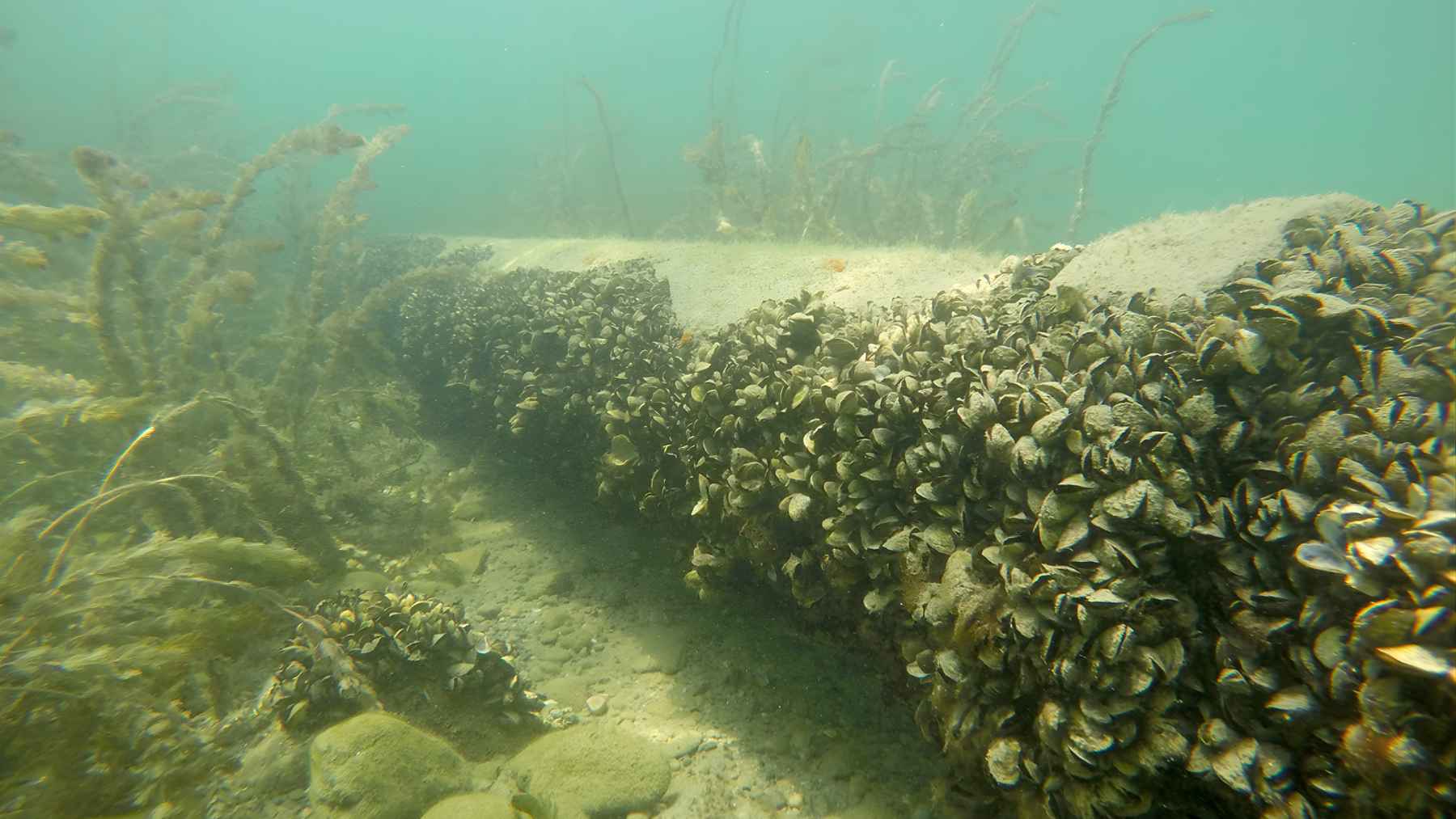
Quagga mussels filter huge volumes of water as they feed, removing plankton that fish and other animals depend on. The water may look clearer, but the food web becomes poorer and more fragile. Northern Ireland has already seen how a related species, the zebra mussel, helped change conditions in Lough Neagh and contributed to harmful algal blooms that shocked local communities.
Damage already seen in other waters
Studies from the Great Lakes in North America show that quagga mussels can blanket shipwrecks, lakebeds, and pipes in thick layers. They clog water-intake systems, increase maintenance and treatment costs, and create razor-sharp shell beds that can cut bare feet along shorelines where people swim or launch boats.
Closer to home, zebra mussels have already changed the balance in Irish and British lakes. Experts say quagga mussels are even more adaptable, since they can survive in deeper and colder water and keep filtering at higher rates, which allows them to spread across more of a lake basin once they take hold.
The scale of the threat is clear when you look at places that have been fighting these animals for years. In Utah, the Utah Division of Wildlife Resources and partner agencies inspected more than 288,000 boats during the 2025 boating season and carried out over six thousand decontaminations to stop quagga mussels from moving between lakes.
How officials and lake users are trying to respond
Once quagga mussels become established in a large lake, there is currently no practical way to remove them completely. That is why officials in Northern Ireland are focusing on slowing their spread and catching any new outbreaks as early as possible.
The Northern Ireland Environment Agency is urging anyone who uses the water to follow the “check, clean, dry” protocol every time they move between sites. That means checking boats, trailers, waders, and fishing gear for mud or hitchhiking animals, cleaning them carefully with hot water if possible, and then drying everything fully before the next trip.
For many people, that might simply look like taking a few extra minutes at the end of a day on the lake. Hosing off a kayak in the driveway, emptying bilge water away from drains, or hanging out life jackets until they are bone dry can all help keep invasive mussels from spreading and, in the long run, protect local fisheries and water bills.
What this means for Northern Ireland’s lakes
Experts say the discovery in Lower Lough Erne should be treated as a warning for lakes and rivers across the island. The big question now is whether this first detection can be contained or whether quagga mussels will become a long-term feature of Northern Ireland’s freshwater landscape.
For now, officials are stepping up monitoring and asking anglers, boaters, and holidaymakers to treat biosecurity as routine. As Minister Muir put it, “increased vigilance and surveillance is critical,” especially in a freshwater system that is already under pressure from pollution, climate change, and other invasive species.
The official press release was published on the Department of Agriculture, Environment and Rural Affairs website.