The Sun has just completed a new 11-year cycle, bringing it to its maximum activity, according to NASA and the White House. In this sense, an alert has been declared in the United States energy system for what will happen with the solar eclipse. We tell you what has happened and the unpredictable consequences we are about to experience across the country (there are reasons for concern, that is clear).
The United States looks to the sky: watch out for what will happen on the upcoming 8th
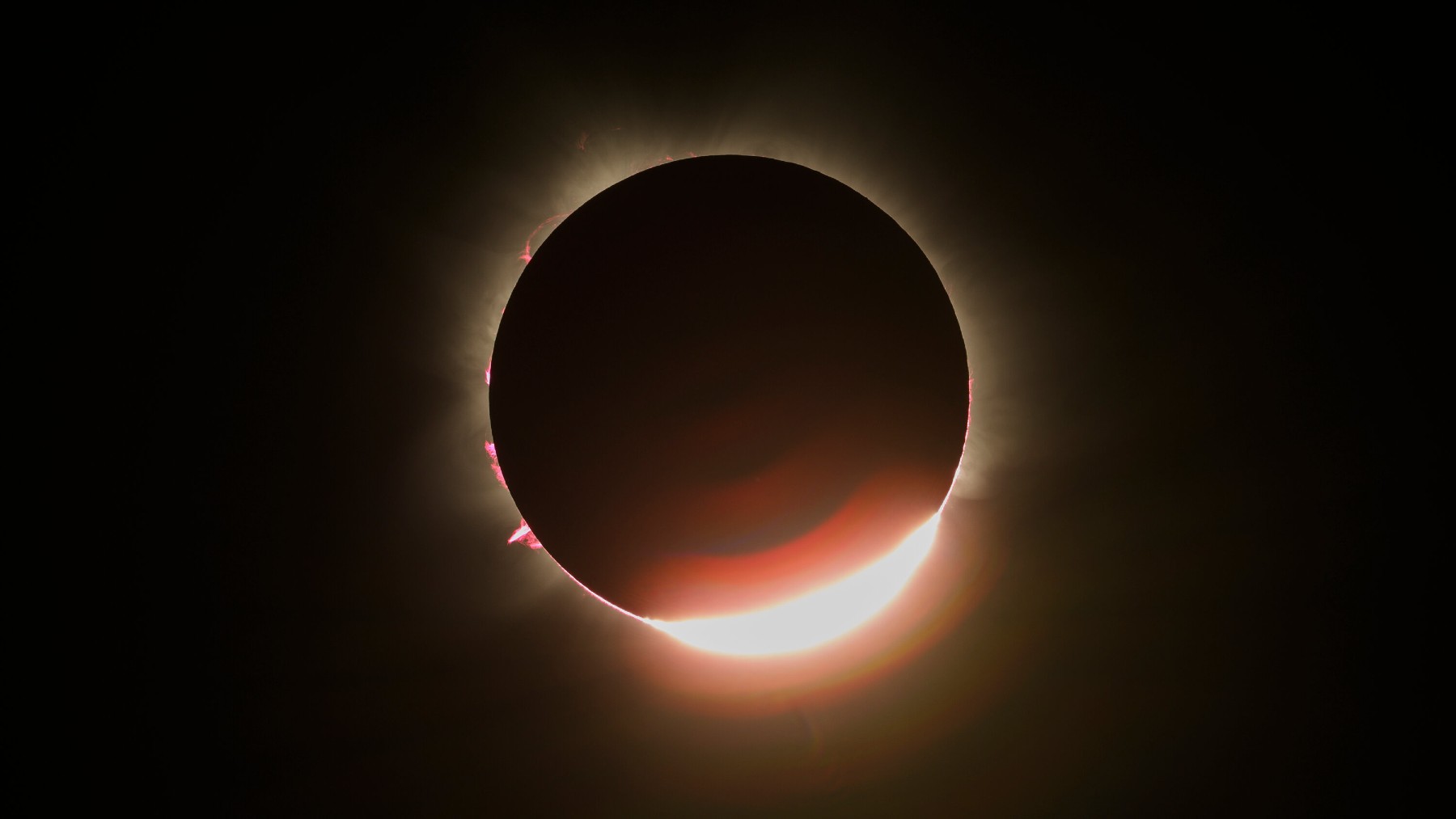
On April 8, 2024, a total solar eclipse will pass over parts of the United States, moving from Mexico to Maine. This rare astronomical event occurs when the Moon passes directly between the Earth and the Sun, temporarily blocking sunlight from reaching parts of the Earth’s surface.
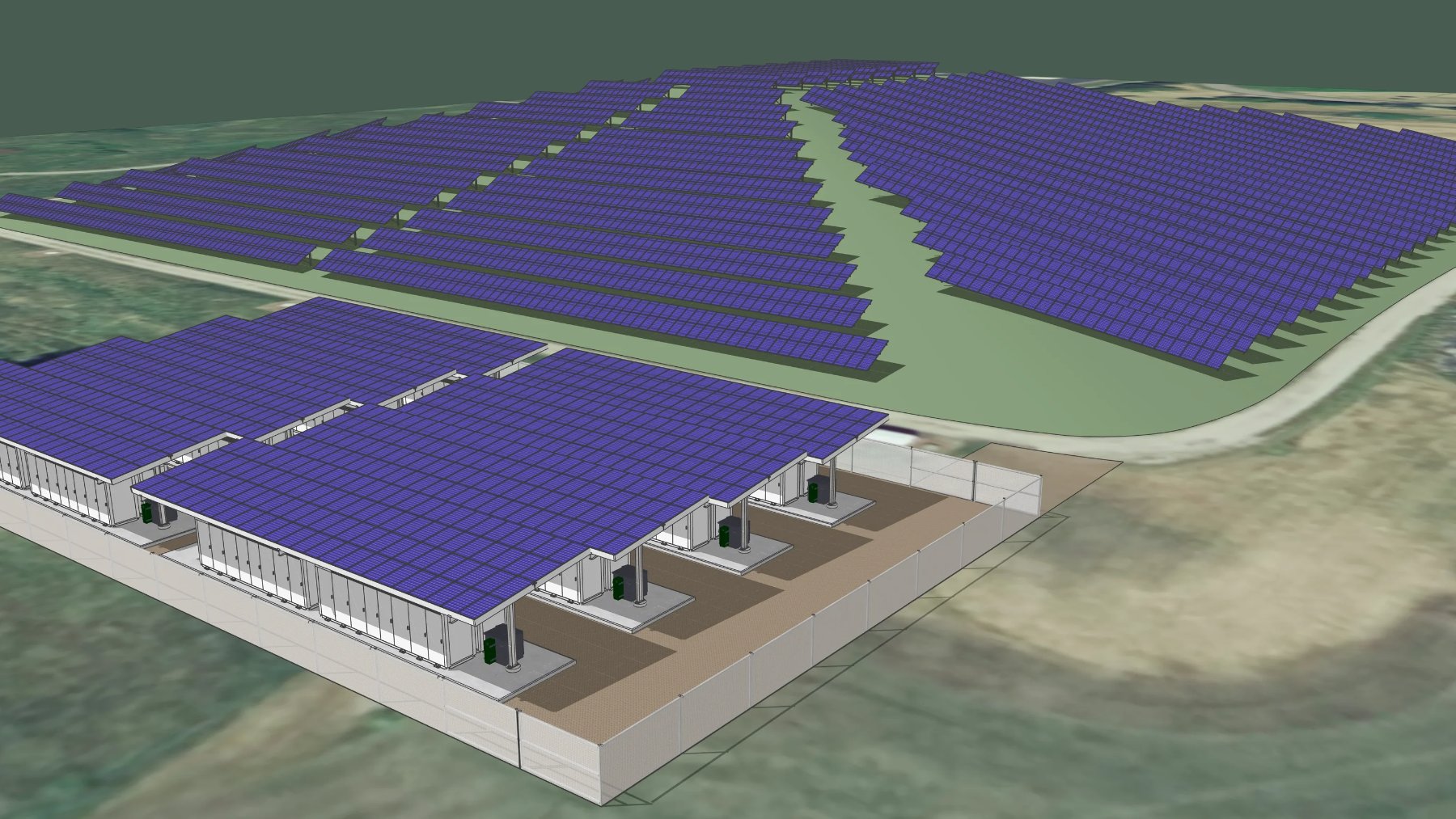
While solar eclipses are fascinating to observe, they also have the potential to disrupt solar power generation as areas along the path of totality experience a brief period of darkness. With solar energy production rapidly expanding in the US in recent years, there is heightened interest in understanding and preparing for the impact.
Some key questions have emerged: How much solar energy production could be lost during the eclipse? Which states and regions will be most affected? And what strategies can solar operators implement to manage the sudden drop in generation?
Solar eclipse impact on U.S. energy, a matter of national concern
The upcoming total solar eclipse in April 2024 is expected to have a noticeable effect on solar power generation across parts of the United States. A solar eclipse occurs when the moon passes between the sun and the Earth, blocking sunlight from reaching the Earth’s surface.
For solar panels, this temporary loss of sunlight will lead to a significant dip in energy production. During the 2017 total solar eclipse that passed over the continental US, there was a roughly 60-80% drop in solar generation within the path of totality.
Areas experiencing a partial eclipse still saw solar output decrease approximately 30%. The 2024 eclipse is predicted to have similar impacts, with solar generation decreasing 70-90% in areas seeing a total eclipse. Partial eclipse locations could lose 30-50% of normal solar power output during the event.
The exact reduction will depend on the eclipse obscuration percentage and duration in each area. Locations in the direct path of totality will be most affected with almost all sunlight blocked for a couple minutes. Partial eclipse areas will see a less extreme but still substantial loss of sunlight and energy generation for a short period.
The most affected states, in detail: the government looks at these places
California, Texas, and Florida are expected to be the states most impacted by the 2024 solar eclipse. These three states have the highest amount of installed solar capacity in the country. California alone has over 30,000 MW of solar power installed, providing nearly 20% of the state’s electricity.
During the eclipse, California could lose over 5,000 MW of solar generation for a brief period. Texas has over 7,000 MW of solar capacity installed. The state could see solar output drop by over 1,000 MW during the peak eclipse period, as it has been estimated these days.
Florida is another state with significant solar power, with over 3,500 MW installed currently. Florida’s solar generation could dip by 500-750 MW during the eclipse. Other states with major solar power at risk include North Carolina, Arizona, New Jersey, New York, and Nevada.
Once again, we will stare at the sky hoping that the consequences will not be too catastrophic. We did it some years ago with the previous solar eclipse, but now we are more dependent than ever on technologies. By no means will we run out of electricity nationwide, but our power generation will be diminished, something that is not in our best interest at this time, when we are trying to increase the use of renewables.