How can a dinosaur that weighed less than a small bottle of water shake up our view of evolution on an entire planet? That is exactly what a new fossil from northern Patagonia has just done.
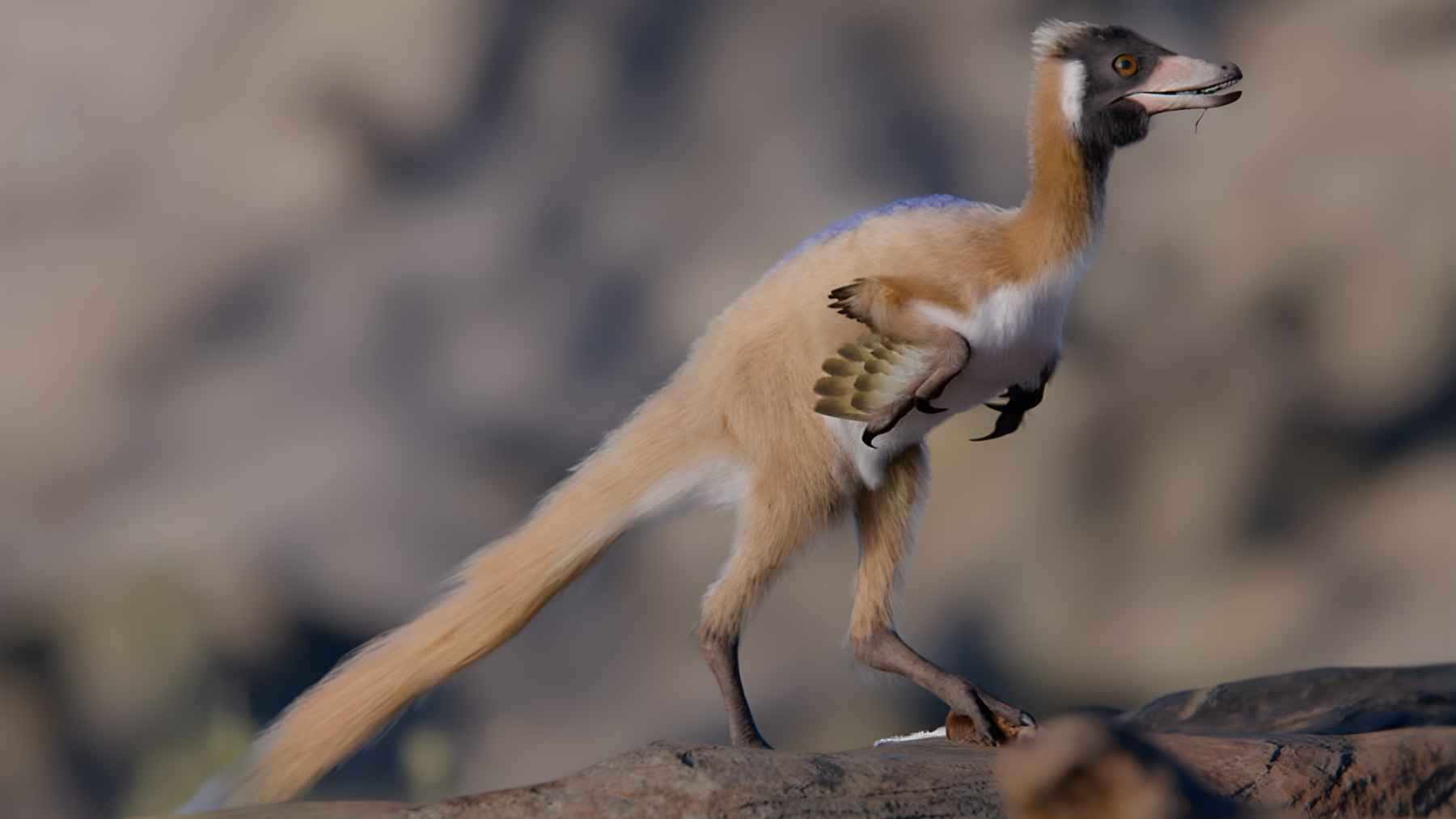
An international team has described a nearly complete skeleton of Alnashetri cerropoliciensis, a bird-like predator that lived around 90 to 95 million years ago in what is now Argentina. The study in Nature shows that this tiny dinosaur belonged to the mysterious group known as alvarezsauroids and that their story is very different from what scientists thought until now.
A crow-sized hunter in an ancient desert
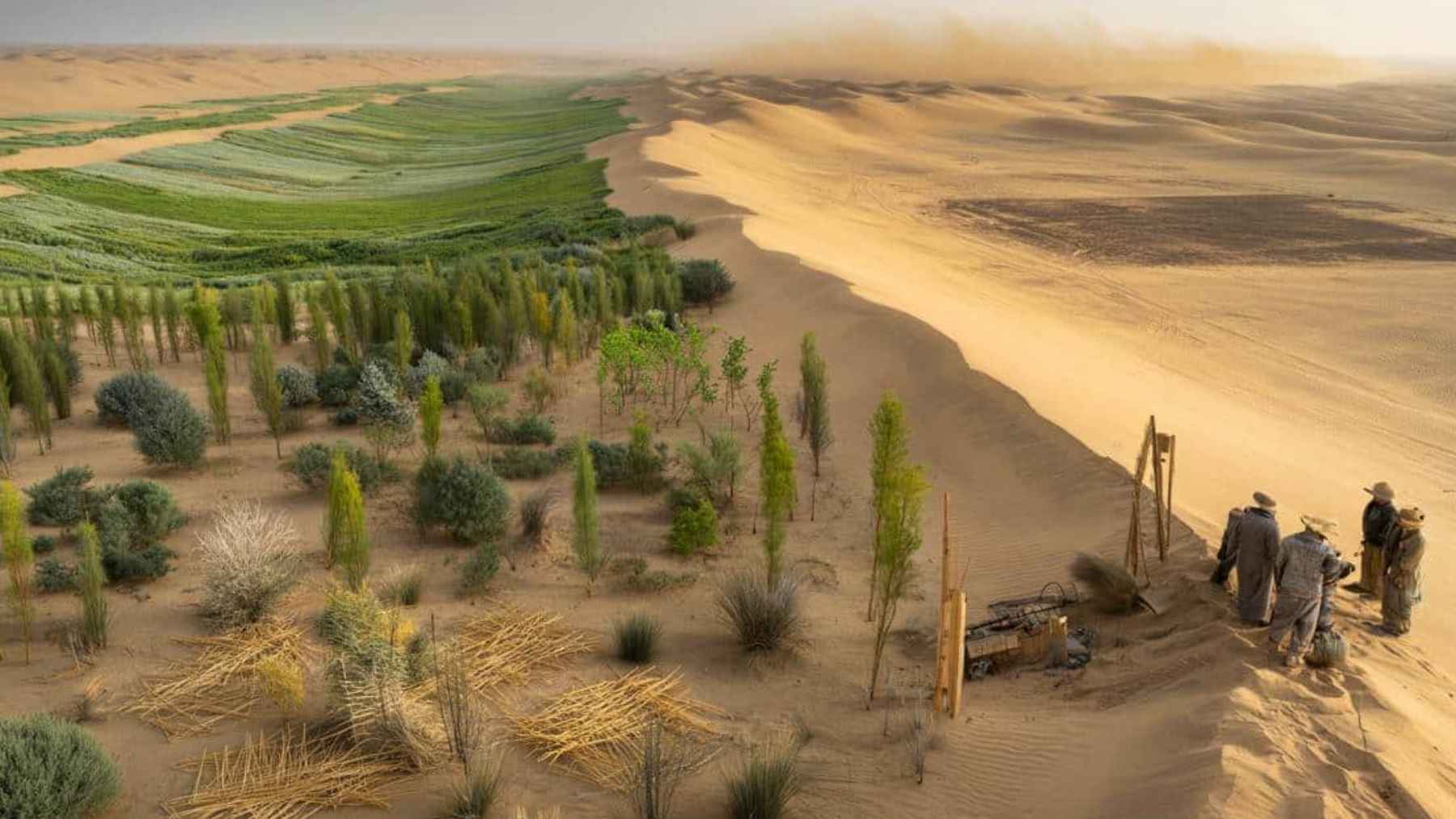
The new skeleton comes from the La Buitrera Paleontological Area in northern Patagonia, a fossil-rich desert where advancing sand dunes once buried animals quickly enough to preserve their bones in remarkable detail.
Earlier remains of Alnashetri were only fragmentary hind legs. This time, paleontologists uncovered most of the body, including parts of the skull, neck, trunk, arms, and tail. That jump in completeness let them finally place the animal securely in the dinosaur family tree.
One of the lead authors, University of Minnesota researcher Peter Makovicky, compared the find to a “paleontological Rosetta Stone” because it suddenly makes sense of dozens of fragmentary fossils collected over the years.
Despite its small size, Alnashetri was no hatchling. Microscopic study of its leg bones shows growth rings that indicate an adult at least four years old. The team estimates that it weighed under two pounds and stretched only about seventy centimeters from nose to tail, putting it among the smallest non-bird dinosaurs known from South America.
Based on its relatively large teeth and more generalized body shape, researchers think Alnashetri hunted small prey such as lizards, early snakes, mammals, and invertebrates that shared its desert home.
Rethinking a “baffling” dinosaur clan
Alnashetri belongs to Alvarezsauroidea, a group of small theropod dinosaurs whose later members evolved extremely short forelimbs with a single oversized claw, tiny peg-like teeth, and highly developed senses. Many scientists interpreted this odd mix as an ancient version of an anteater lifestyle centered on raiding ant and termite nests.
Because most well-preserved alvarezsauroids came from Asia, and South American fossils were scattered and incomplete, earlier studies suggested that the group shrank in size over time as they specialized for insect eating.
According to the new work, that picture does not hold up. The Alnashetri specimen shows long arms and bigger teeth compared with its later relatives, so tiny body size appears first, while the extreme digging anatomy evolves later in multiple lineages.
In practical terms, this means there was no single one-way street toward ever smaller, more specialized alvarezsauroids. Instead, body mass stayed within a relatively narrow band, with some branches getting a bit larger again and others becoming extremely small, almost like different models of a compact car rather than a shift from bus to bicycle.
From Pangaea to patchwork continents
The team also used the new skeleton as a reference to re-examine fragmentary fossils in museum collections from North America and Europe. Several of those specimens turned out to be early alvarezsauroids as well.
When the researchers ran large evolutionary and biogeographic analyses, they found that the group probably originated when the continents were still joined as the supercontinent Pangaea and then became separated as the landmasses drifted apart.
That is a big shift from earlier ideas that required improbable dinosaur journeys across wide oceans. At the end of the day, the new results suggest a more grounded story in which continental breakup, local extinctions, and regional climate differences shaped where these tiny predators lived.
A window into vanished desert ecosystems
La Buitrera is already famous among paleontologists for its small vertebrates, including the limbed early snake Najash, the saber-toothed mammal Cronopio, and abundant herbivorous reptiles such as Priosphenodon. All of them lived in the Kokorkom Desert, a vast dune field crisscrossed by temporary streams.
Alnashetri now joins that cast as a swift, crow-sized hunter weaving between sand ridges in search of small prey. It helps scientists piece together how food webs functioned in a Cretaceous desert long before humans worried about water shortages or heat waves on their own dry landscapes.
For readers today, a fossil like this does more than add a new name to the dinosaur list. It shows how much information can be locked inside a few fragile bones and how careful fieldwork, patient lab preparation, and modern analytical tools can rewrite a whole chapter of evolutionary history.
As Makovicky put it, the story from La Buitrera is already continuing, with more fossils from the same layers now under preparation.
The study was published in Nature.