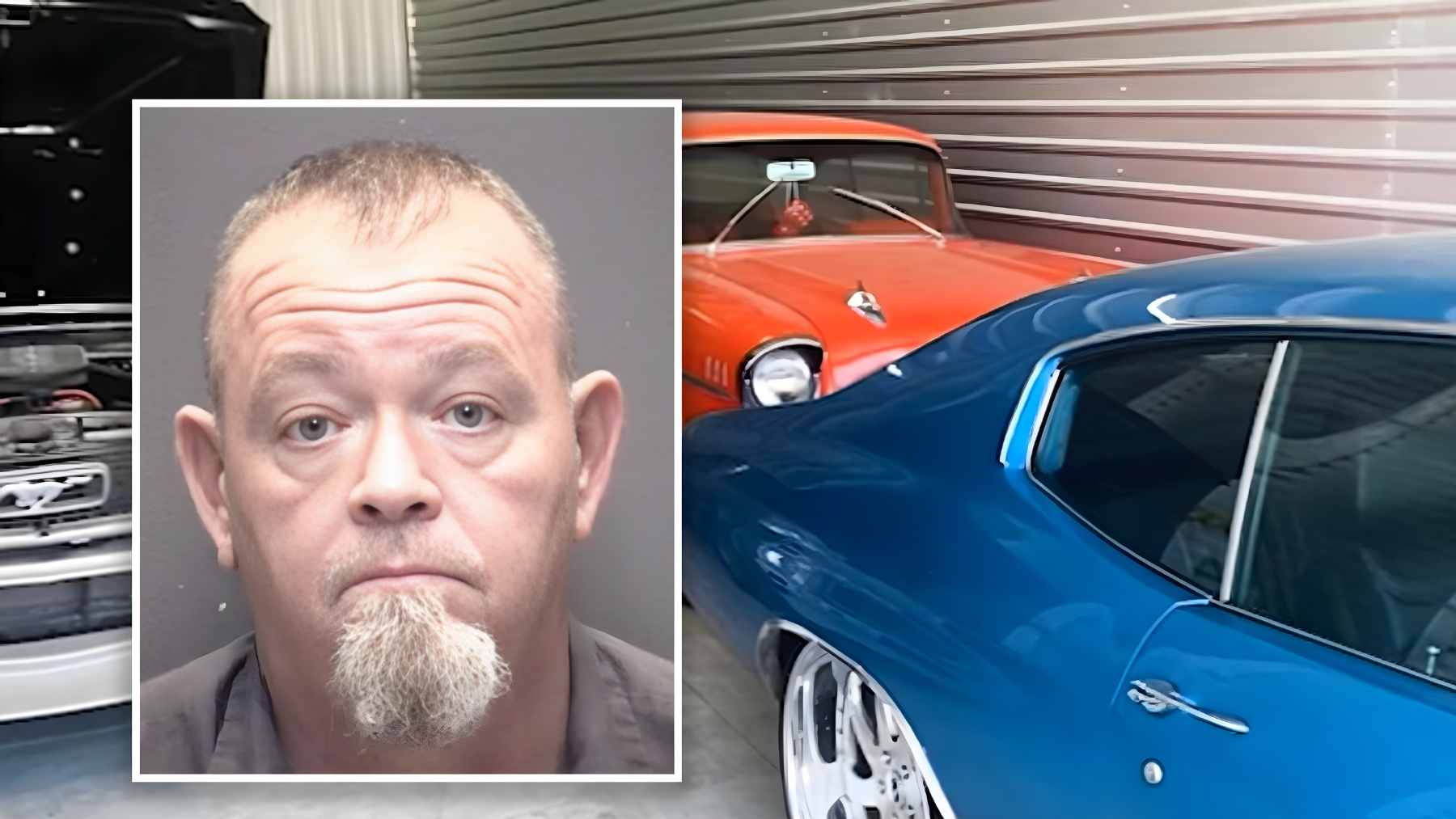
When a Texas judge handed a 60-year sentence to vintage car repairman Richard Finley for stealing the classic cars he promised to restore, it looked like a straightforward fraud case. In reality it is also a warning for the growing repair and reuse economy.
Fraud behind the workshop door
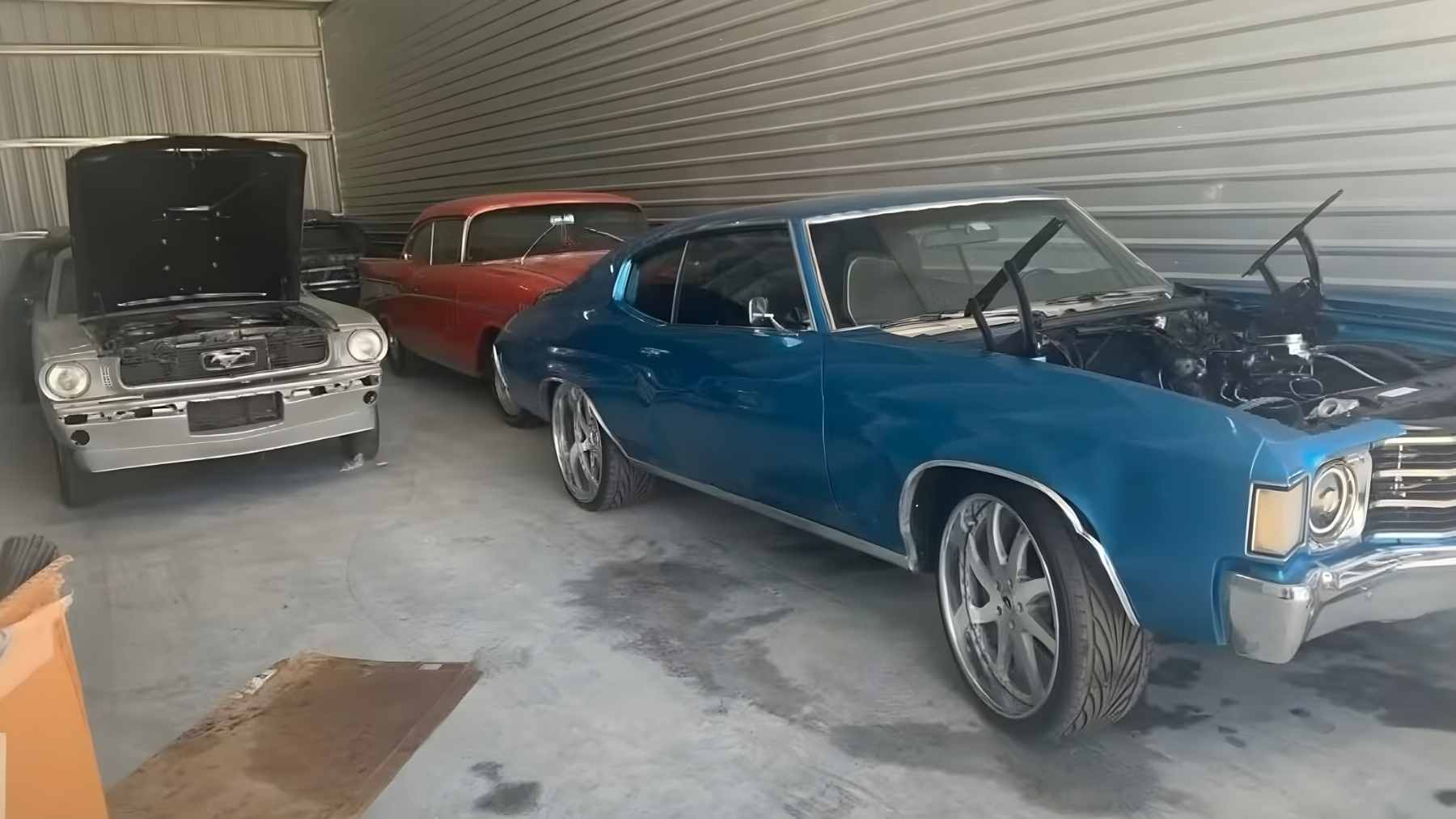
Investigators say Finley used his shop, Classic American Street Rods, to sell long restoration jobs and “engine swaps,” pitched as upgrades to modern, easier-to-maintain engines, then stopped answering calls as cars were moved between storage lots.
From 2018 to 2023 he stole more than $498,000 from 72 customers, with about two dozen classic vehicles recovered, large amounts of parts seized and nearly $495,000 in court-ordered restitution.
The climate cost when repair goes wrong
So where does the environment come in? Restoring vehicles and reusing parts can cut waste and avoid some of the emissions from building new cars, a core idea in today’s push for a circular automotive economy.
A typical passenger vehicle emits about 4.6 metric tons of carbon dioxide per year, so keeping an existing car efficient instead of replacing it too soon can matter. Yet one analysis of the European repair market found that only about 2% of parts installed were recycled, even though raising that share would lower emissions and repair costs.
How drivers can protect their wallets and the planet
For people trying to avoid a new car loan and a higher fuel or electricity bill, trust is everything. Checking reviews and court records, asking for written estimates and photos of progress, and choosing workshops that clearly explain how they handle old parts and fluids are simple steps that protect savings and support a more circular, less wasteful car culture.
The official statement was published on KPRC Click2Houston.