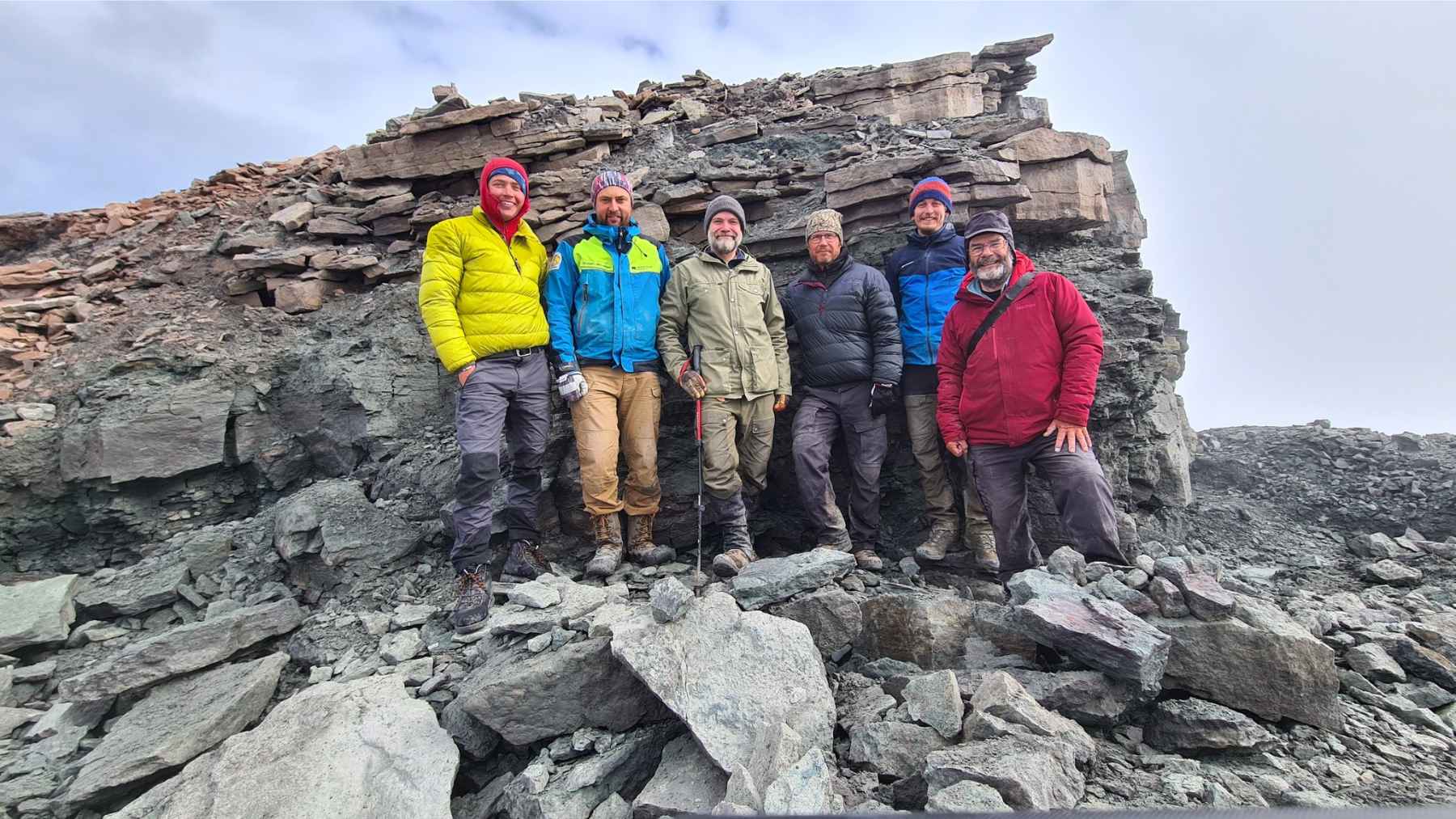
High on the slopes of Mount Celsius on Ymer Island in northeast Greenland, a small team of paleontologists has pulled more than two hundred kilograms of fossils from the rocks. They say the discovery could transform what we know about the first backboned animals that left the water and walked on land.
The bones come from the very end of the Devonian period roughly 359 million years ago. Early results suggest the layers hold remains of at least four or five different tetrapods, many of them previously unknown to science. In a single season the team has about doubled the total Devonian tetrapod diversity that Greenland yielded in the previous nine decades.
A blank spot on the scientific map
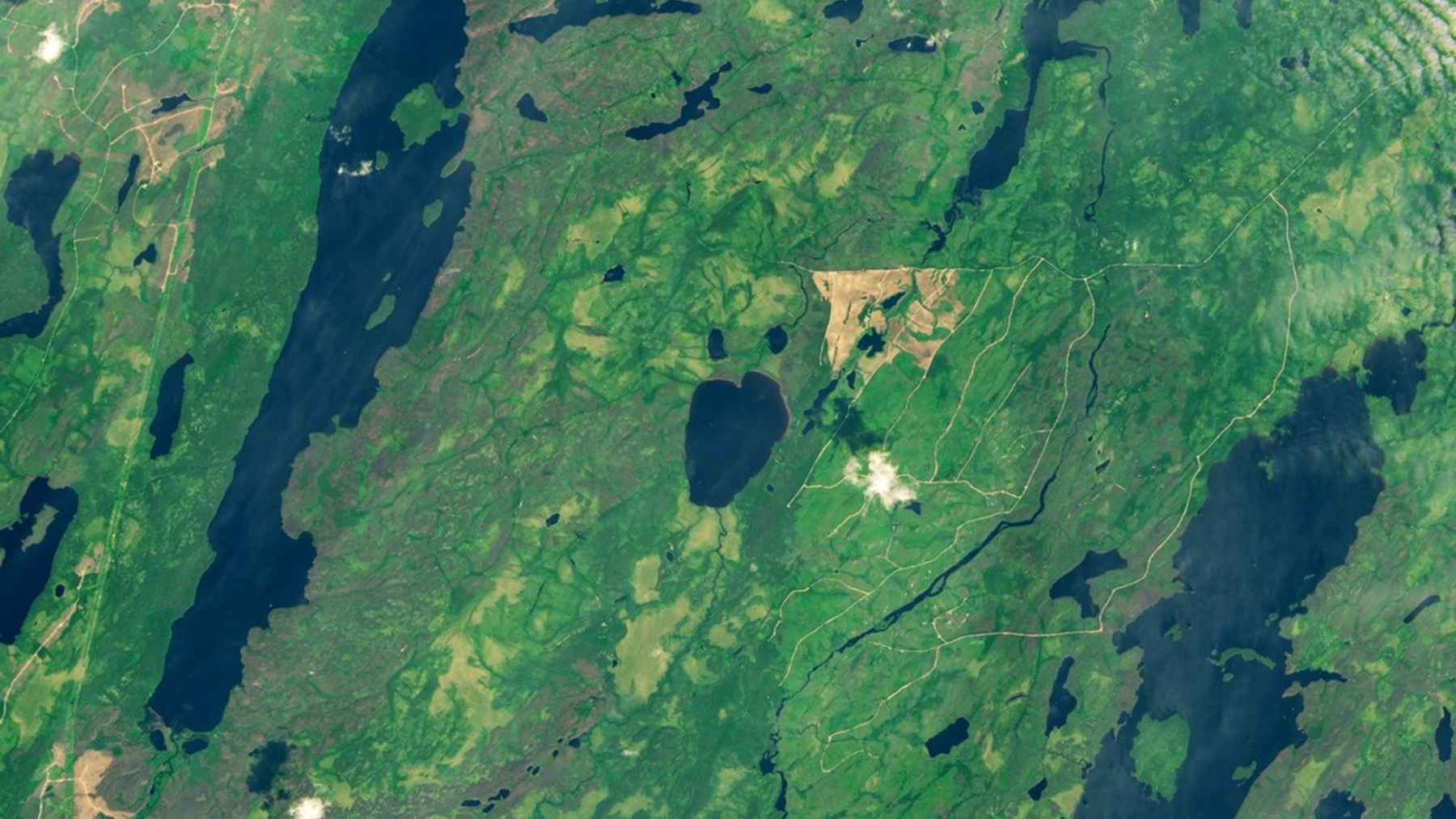
For Polish paleontologist Grzegorz Niedźwiedzki, who has already led five expeditions to this corner of Greenland, the island is still a scientific blind spot. He describes the northeast as a polar and mountainous desert with no vegetation, almost no soil and long valleys carved by melting snow and ice.
Reaching the fossil sites means helicopter drops, then long walks of twenty to thirty kilometers across loose rock while carrying everything on your back. Nights are spent in special sleeping bags out on the ground under the constant light of the polar summer.
Despite the hardship, the payback is enormous. Recent campaigns on Ymer Island have uncovered rich bone beds from the end of the Devonian that lie just below the boundary with the Carboniferous period, a time marked by the Hangenberg mass extinction and the start of the famous gap in the tetrapod fossil record often called Romer’s Gap.
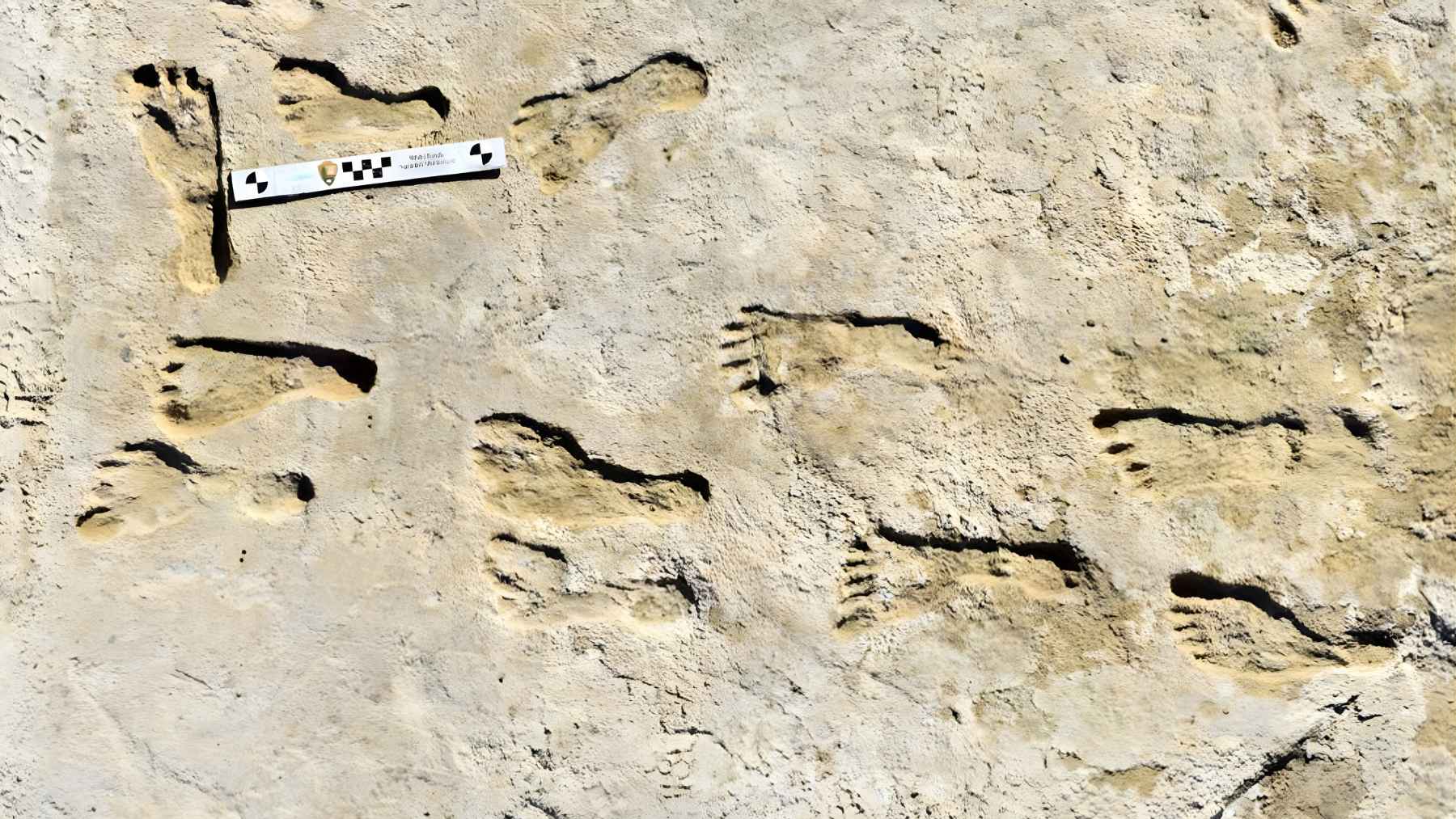
In those rocks the team has found skulls and limb bones, coprolites, footprints and body impressions, along with roots of clubmoss trees, fern-like plants and fragments of scorpion-like arthropods. Together these fossils sketch a subtropical lowland ecosystem where early land animals lived along rivers and lakes far from any ancient coastline.
Filling in a missing chapter of evolution
The Greenland work builds on Niedźwiedzki’s earlier breakthrough in Poland, where he and colleagues described securely dated tetrapod trackways from early Middle Devonian tidal flats. Those footprints turned out to be around eighteen million years older than the earliest known tetrapod skeletons and forced experts to rethink the timing and environment of the fish to tetrapod transition.
Now the Ymer Island fossils target a different problem. Until recently, almost all Devonian tetrapods from Greenland such as Ichthyostega and Acanthostega came from rocks slightly older than the new sites.
They showed animals with both fish-like and land-capable features but left a question hanging. What did tetrapods look like right before the Devonian extinction, and did that crisis help trigger the rise of more modern forms?
Preliminary descriptions from the Uppsala-led project hint that some of the new Greenland animals still resemble classic four-legged fishes while others already look more advanced. Researchers suspect the assemblage will show that tetrapods were diversifying before the extinction instead of only after it. At the end of the day what this project is trying to do is turn a thin fossil record into a fuller story about how ecosystems and vertebrates responded to a major bout of environmental stress.
Ancient worlds and a warming Arctic
There is an environmental twist here too. The same Greenland that is giving up secrets from a 359 million year old greenhouse world is now one of the fastest-warming places on Earth. The Greenland ice sheet is losing ice several times faster than it did at the start of this century and already accounts for a large share of present sea level rise.
As glaciers retreat, more bare rock and sediment are exposed. Some studies even describe a rapid greening of Greenland as tundra and shrubs colonize freshly ice-free ground, which darkens the surface and accelerates warming further.
In practical terms that means new fossil sites may appear at the same time that coastal cities far to the south face higher flood risks from Greenland’s meltwater. It is a reminder that the deep past and our everyday lives are linked, even if the connection is filtered through millions of years.
The region’s changing climate and the opening of Arctic sea routes have also pushed Greenland into the sights of major powers that are interested in minerals, energy and strategic shipping lanes. Niedźwiedzki is not worried about scientific competition, though. He argues that the area is big enough for many research teams and calls it a true treasure of unanswered questions that could fuel discoveries for decades.
For now, hundreds of kilograms of Greenland fossils are being scanned with synchrotron microtomography and other advanced techniques to reconstruct bones, soft tissues and environmental signals in three dimensions. The analysis will take years, maybe longer than the latest news cycle will care to follow, but the rocks have waited hundreds of millions of years already.
The press release was published by Uppsala University.