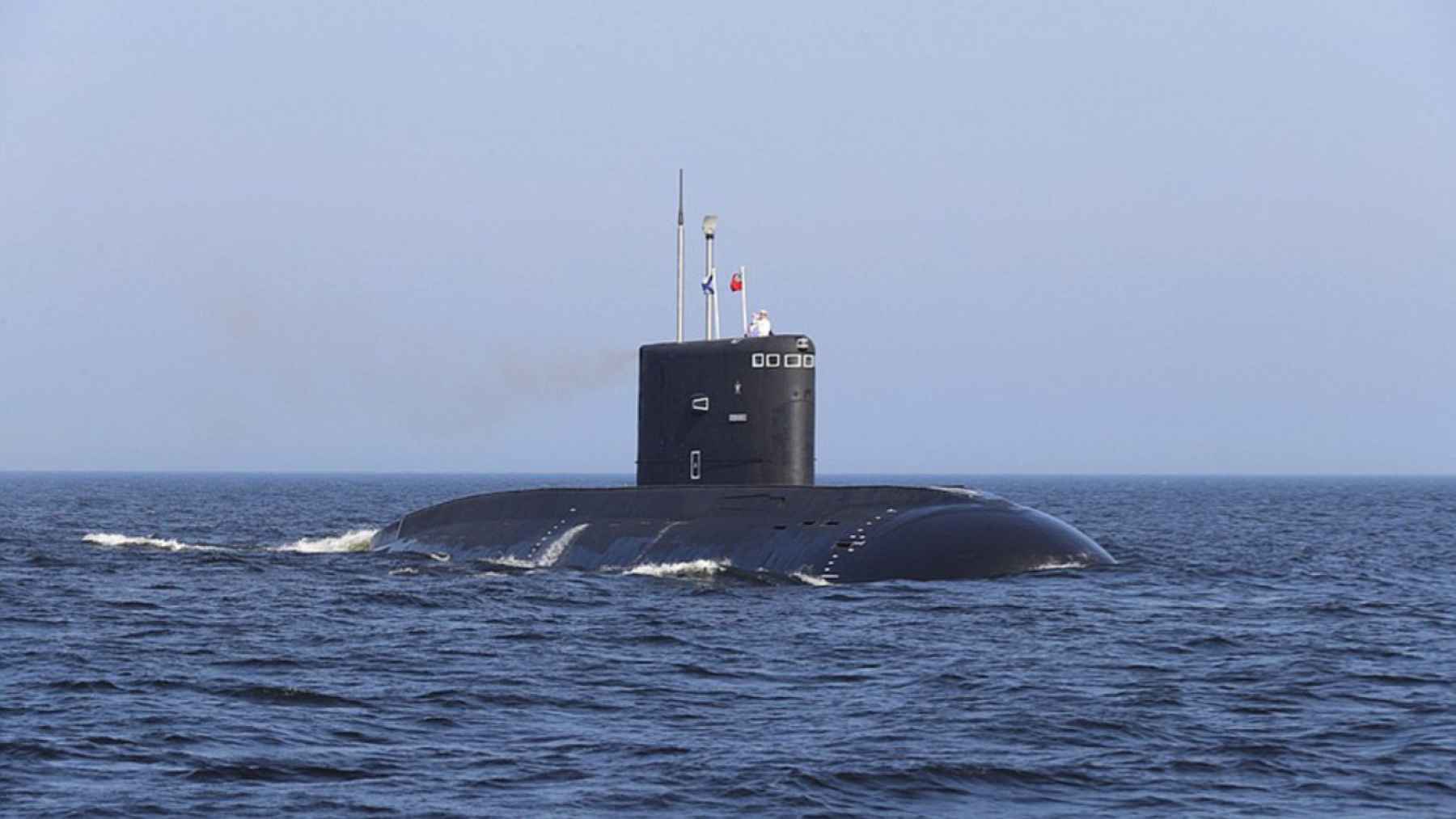
Satellite images of a key Iranian naval base show one of Tehran’s Kilo class submarines back at its pier, freshly modernized and surrounded by a crowd of smaller boats in the shallow waters of the Persian Gulf. Open source analysts say the overhaul took months in dry dock and coincides with a tense standoff with the United States, which has moved more warships into the region.
On paper this is a military story about torpedoes, missiles and nuclear talks. In practice it is also a story about one of the most stressed marine ecosystems on Earth, and what happens when dozens of submarines and at least two carrier strike groups share a semi-enclosed “bathtub” sea with coral reefs, dugongs and millions of people who depend on coastal fisheries and tanker traffic.
Submarines in a crowded corner of the Gulf
According to the latest open source imagery, the Islamic Republic of Iran Navy has finished upgrading one of its Russian built Kilo submarines, known locally as the Tareq class. Up to 11 Ghadir mini submarines were also spotted tied up at nearby piers, alongside surface ships such as Alvand, Sabalan and Jamaran.
The Kilo boats Iran bought in the 1990s were expensive assets, with Western estimates putting their cost in the hundreds of millions of dollars per unit. They usually operate from bases near Bandar Abbas, close to the narrow Strait of Hormuz, where close to one fifth of the world’s oil supplies squeeze through a shipping lane only a few kilometers wide.
Those big Kilo hulls were never a perfect fit for this environment. The Gulf is shallow, hot and very salty, which limits comfortable submerged operations and increases maintenance headaches for large submarines.
That is why Iran invested in compact Ghadir class boats that displace around 125 tons submerged, are optimized for shallow coastal waters and can sit almost motionless on the seafloor while waiting for targets.
At the same time, reports indicate that the United States Navy plans to keep two aircraft carrier strike groups in or near the Gulf, with ships such as the USS Gerald R. Ford rotating through the area. The result is a dense mix of heavy steel and sensitive sonar equipment in a sea that is only about 50 meters deep on average.
A marine ecosystem already on the edge
Scientists have been warning for years that the Arabian or Persian Gulf is not just another stretch of open ocean. It is a small, semi-closed basin with extreme temperatures, high salinity and very limited water exchange with the wider Indian Ocean.
A 2021 review in the journal Marine Pollution Bulletin concluded that this is “one of the most adversely affected marine environments worldwide”, damaged by a combination of climate change, oil and gas activities and intense coastal development.
On top of that, Gulf countries host nearly half of the world’s desalination capacity, and the hypersaline brine discharged from those plants is already harming marine biodiversity. Add heavy shipping, chronic urban and industrial pollution and the legacy of multiple wars, including the 1991 Gulf War, and you get a sea operating uncomfortably close to its limits.
Now layer current tensions over that fragile base. Around 20 million barrels of oil per day pass through the Strait of Hormuz, roughly one fifth of global petroleum consumption. Any attack, accident or mine strike that ruptures a tanker could send thick slicks into mangroves, salt marshes and coral communities that are already struggling with heat waves and salinity spikes.
Recent analyses of the conflict warn that the risk of major spills and other pollution incidents in the region is rising fast.
For people far from the Gulf, this shows up as higher prices at the pump or a jump in the electric bill. For coastal fishers in Kuwait, Iran or the Emirates, it can mean empty nets and months of toxic cleanup.
The sound of conflict underwater
Submarines are designed to be quiet, but the hunt for them is not. Diesel engines, propellers, support ships and especially active sonar all add to the underwater soundscape that now blankets many busy sea lanes. Research over the last two decades has linked some naval sonar exercises to unusual mass strandings of whales and dolphins, and more generally to stress, disorientation and changes in how marine mammals forage and communicate.
The Gulf hosts dolphins, whales and other sound-dependent species in waters that are already noisy from ships, seismic surveys and coastal construction. When you add a flotilla of Ghadir mini subs, larger Kilo boats and the anti-submarine warfare efforts of foreign navies, you turn that soundscape into something closer to a permanent industrial zone.
Imagine trying to have a conversation next to a jackhammer all day, then remember that marine animals use sound not just to chat but to find food, avoid predators and navigate.
To their credit, some navies now use measures like gradual sonar “ramp up” and exclusion zones when marine mammals are sighted, in an effort to reduce harm. Yet experts note that these protocols were not designed for a semi-enclosed, shallow sea where animals have fewer quiet refuges and where multiple sources of noise overlap for months at a time.
Why environmental risk belongs in security talks
All of this raises an uncomfortable question. When diplomats and defense planners talk about “security” in the Gulf, how often are they thinking about coral bleaching or dugong habitat next to those submarine pens
In practical terms, weaving ecology into security planning would mean several things. Navies could map sensitive habitats and adjust training areas or sonar use accordingly. Energy companies and governments could strengthen joint emergency plans for spills, knowing that tanker routes and naval patrols now overlap in dangerous ways.
Any future agreement on de-escalation in the Strait should treat environmental safeguards as part of human security, not an optional add on.
At the end of the day, the same shallow sea that carries submarines and aircraft carriers also feeds coastal communities and helps stabilize regional climate. Scientists are increasingly asking whether the Persian Gulf can absorb another round of military trauma on top of everything the 21st century has already thrown at it.
The study was published in the Marine Pollution Bulletin.