The White House announced, among its priorities for the IRA, to develop a powerful automotive industry. Several years have passed, and now it seems we have succeeded with the fuel of the future: A legendary brand has just developed the “most futuristic hydrogen engine in history,” which emits only water vapor and runs on a type of combustion never seen before. It’s so ambitious, even China has taken a step back with its EVs industry, and Tesla fears a colossal loss of revenue (you know Musk’s opinion).
America unveils its “secret project”: The first hydrogen engine ever developed in our country
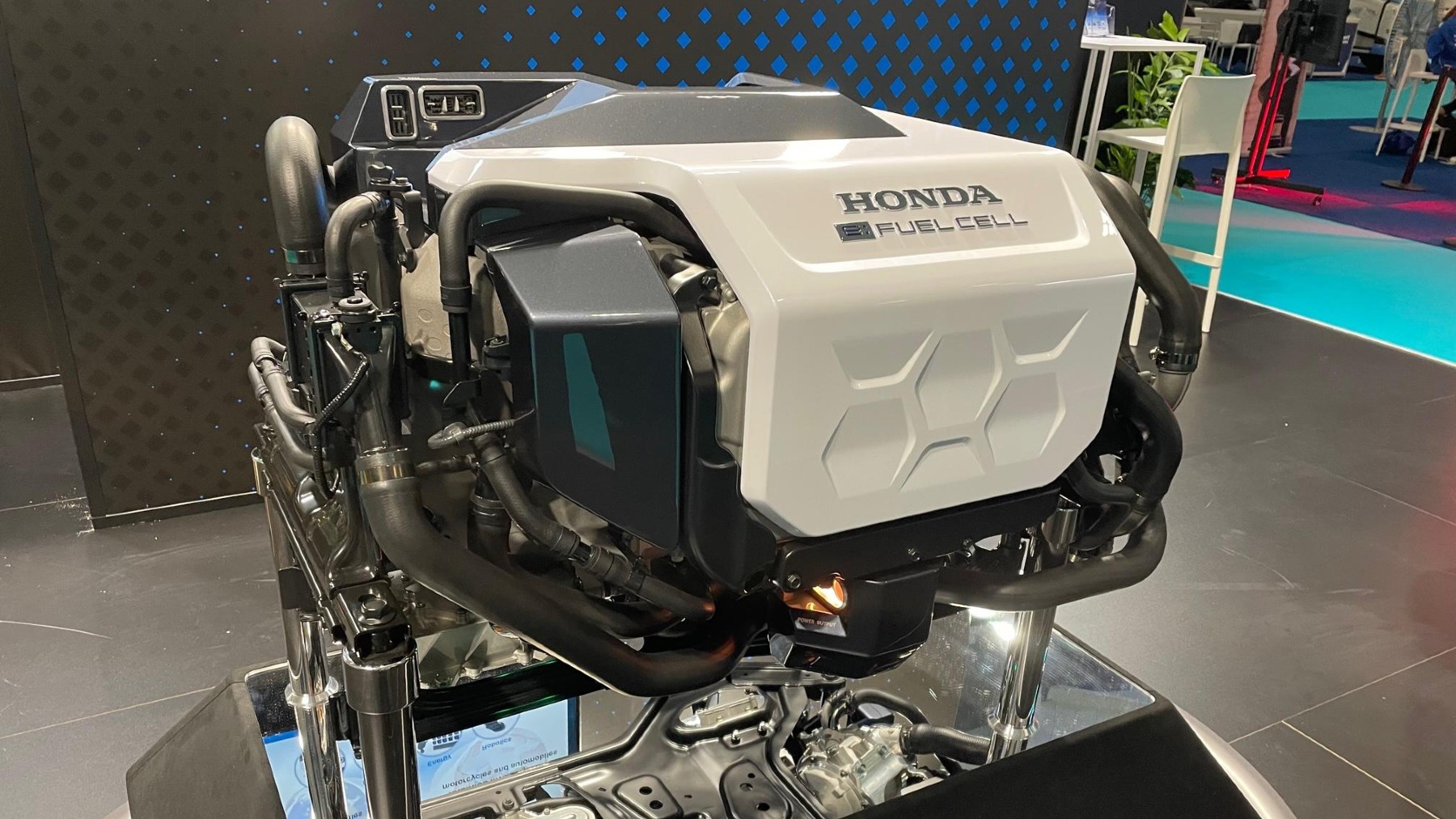
Honda’s commitment to hydrogen-powered vehicles has reached new heights with the unveiling of its 2024 hydrogen fuel cell CR-V (CR-V e:FCEV) refers to a kind of battery electric vehicle that has a jammed fuel cell for propulsion instead of an operable one, though it may have a removable fuel cell stack.
This innovative SUV, jointly designed with General Motors, is a great example of Honda’s commitment to green transportation and its strategy of eliminating harm to the environment. The CR-V e:FCEV incorporates Honda’s fourth-generation fuel cell system, which is characterized by high performance credentials.
The energy produced in the fuel cell modules of the vehicle is generated by a max power output of 2 kW, which allows for 174 horsepower and 229 nm of torque. This enables the SUV to sprint from standstill to sixty miles per hour in less than nine seconds, as the driving experience is great.
270 miles of autonomy and a 7 kW battery: The new hydrogen engine from America, in detail
This system’s longer range is FCEV. If the hydrogen tank is full, the car can cover as far as 270 miles; additionally, the vehicle offers 17 all-electric range miles. 7kWh battery. Such an integration of fuel cells and electric power guarantees that the car’s user’s mileage distances will not cause significant harm to the environment.
Refueling the CR-V e:FCEV is very efficient, does not take much time compared to other processes, and it can take not more than a few minutes at the hydrogen station. This is much better compared to the extended charging durations that are related to battery-electric vehicles. Furthermore, the SUV has reversible charging, which makes it possible to power items in the house.
The CR-V e:FCEV has the following features that make the driving experience even more enjoyable:
- Two-inch-thick cluster instrument with a center nine-inch touch screen.
- Wireless connectivity for Apple CarPlay and Android Auto.
- Wireless charging inclusion and a 12-speaker Bose audio system.
America, to develop a FCEVs industry: How it was developed (and what we want to do for 2030)
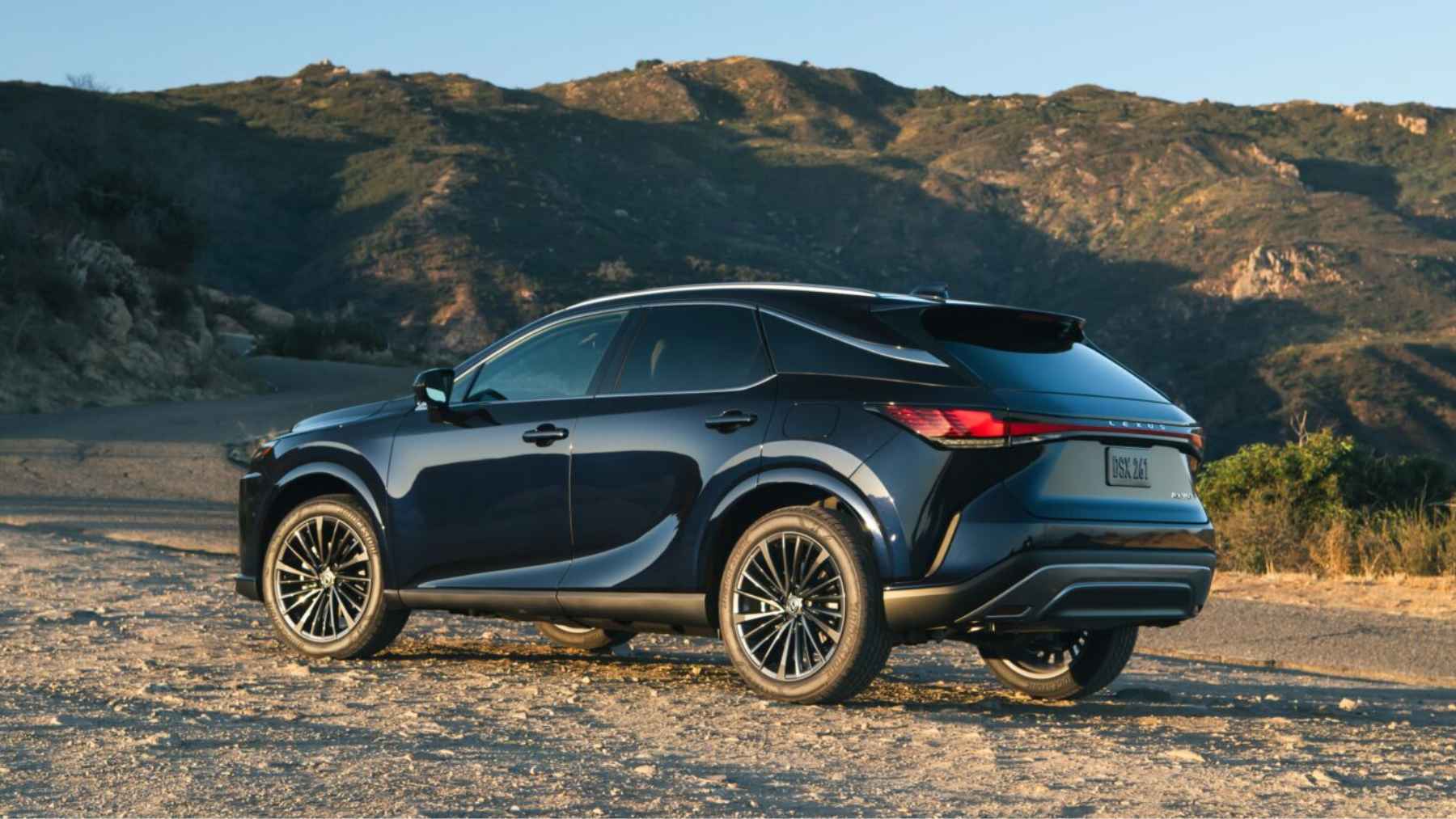
These features make sure that everyone, whether a driver or a passenger, is able to have his or her entertainment while on the road. In terms of design, the CR-V e:FCEV has the design language of the current generation CR-V: sharp, stylish, and sporty, supplemented with a contemporary dash of electrification.
The small size of the vehicle and the easily recognizable movement make the car suitable for those willing to use hydrogen-car vehicles in their everyday lives. Honda’s next-generation fuel cell system, which powers the CR-V e:FCEV, stands for Fuel Cell Electric Vehicle. It is one of the models that relate to the alliance between Honda and GM.
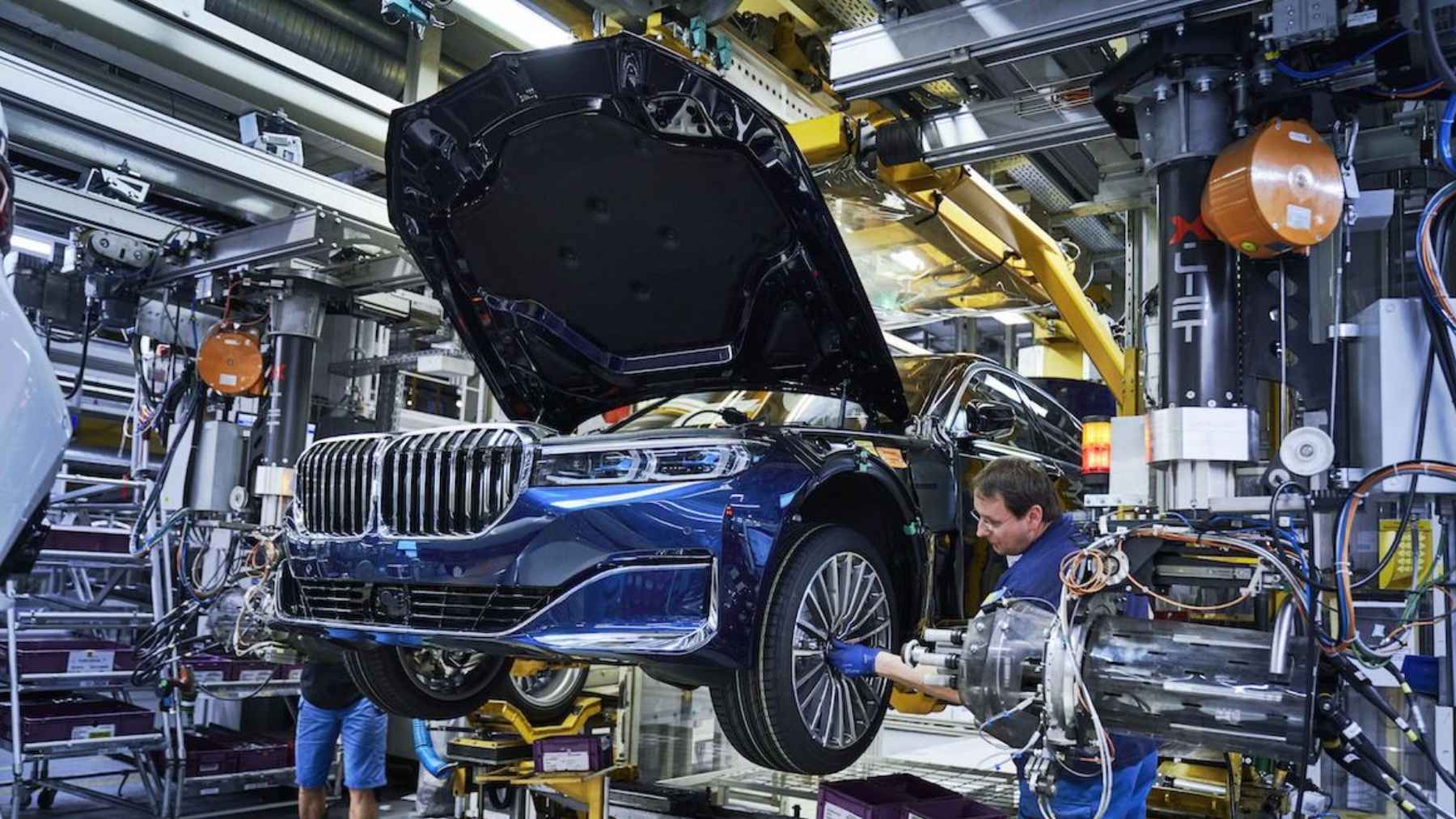
The two have been colluding to come up with a much lower-cost and longer-lasting fuel cell system. Honda has the wish of bringing the effective cost of the battery to less than one-fifth that of current batteries by the year 2030. Honda plans to begin production of the CR-V in 2024. FCEV will leave Nissan’s Performance Manufacturing Center in Ohio.
This new Honda hydrogen engine could be a quantum leap in the quest for zero-emission mobility that is not only innovative, but also realistic. This has traditionally been the “handicap” of our country, with little more than 50 refueling stations distributed—that is, approximately 1 per state. The situation is similar in Japan and South Korea, but these two countries have a more diversified industry, something we have not been able to do yet.