The harvesting of solar power in outer space has kept so many scientists and energy professionals awake. The solar technologies have since improved along with changes in the world’s plans towards moving to renewable energy; indeed, space-based solar power is no longer a dream but something alive and growing. Across nations are projects paving the way towards solar power plants in orbit. This could be our most effective energy answer. Will it convert a promise into a reality for a sustainable future?
With these innovative projects, solar technology is being moved to the stars by the US
Countries worldwide have identified the potential of space solar power. In the US, the Space Solar Power Project takes high-efficiency solar cells and innovative transmission systems to the limit. The US Naval Research Laboratory already tested solar modules in space in 2020, a step critical in the path toward scaling. China nibbles into outer space with the Bishan energy station, which has 2035 as the target operational date.
Then again, the UK is on its way to commissioning a £17 billion solar satellite 1.7 km long. Even with impressive capacity reaching 2 GW, it shows a great deal of the challenge, namely, producing significant quantities of electricity to the countries’ power grids but at an enormous price.
Another example of international ambition is SOLARIS, an ESA-led project in Europe. On the SOLARIS end, together with partners like Enel, support is being sought to develop very-high-efficiency photovoltaic panels and solve the technical issues related to the energy transmission via microwaves.
Geostationary orbit: Constant solar power unlocking
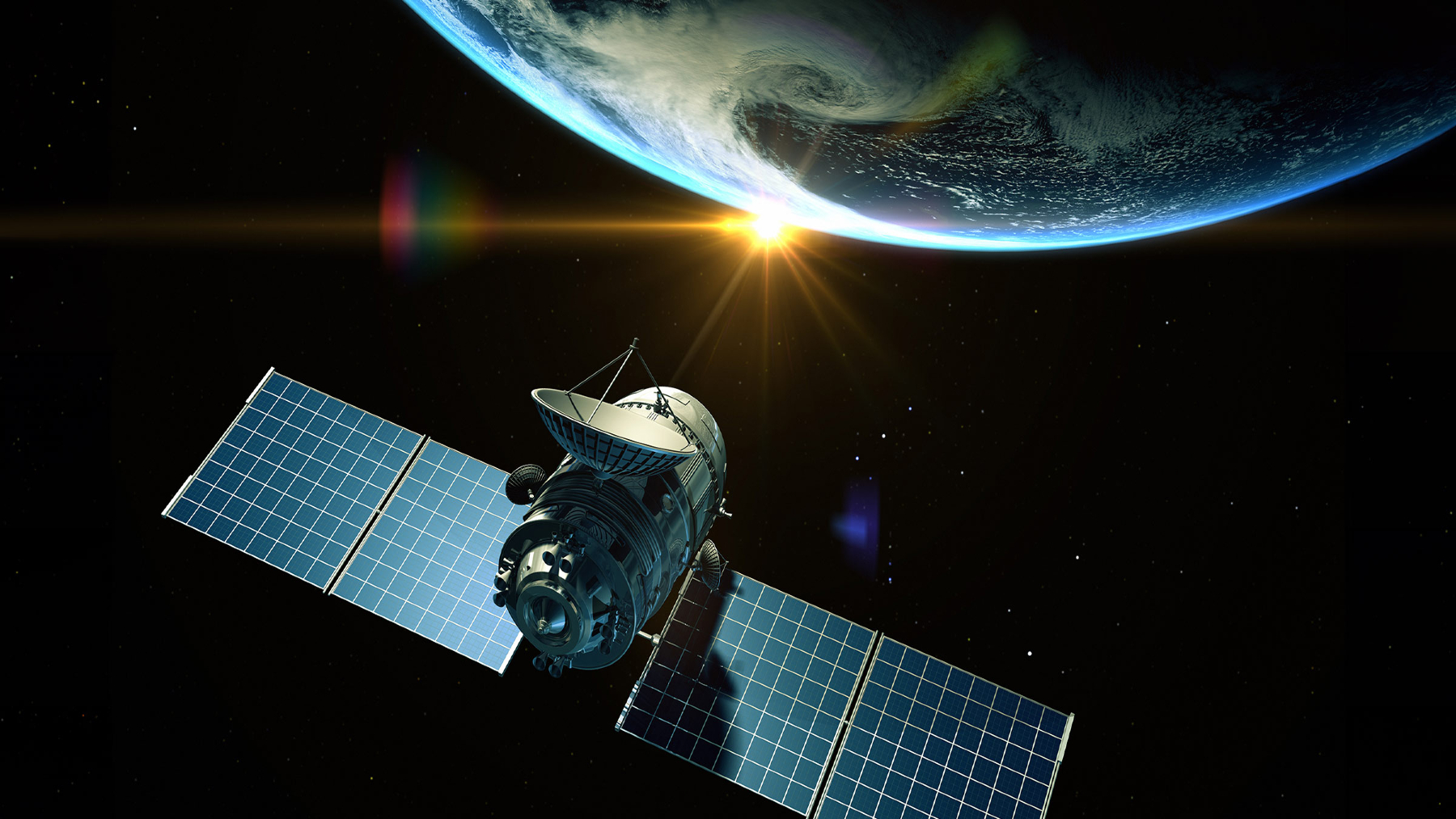
What makes space solar different is that it can produce energy constantly and without the time and weather limitations that terrestrial systems have. With solar power plants powerfully stationed at geostationary orbit-almost 36,000 km above Earth, the panels receive sunlight almost without interruption for maximum output.
Although the process of utilizing this technology is still developing, it proves as retrofitted on existing proven approaches. The underlying technology for space solar cells is advanced materials like gallium arsenide and germanium, which designers expect to achieve efficiencies of 30% today and 40% within-two decades.
Such efficiencies far exceed those found in terrestrial solar panels that peak not more than 22%. In addition, multi-junction cells extend sunlight capture and promise to transform the way energy generation is performed. For a space-based solar power plant, you need a gigantic satellite with some ultra-efficient panels and a microwave-generating system that will convert sunlight into microwaves beamed down to terrestrial antennas, which will convert the beamed microwaves into electricity. Achieving high-approximately 90%-was still a way off, but if it ever gets done, only progress in this area would make space solar possible sooner than we thought.
Robotic assembly in orbit: An ongoing technology
This however is a bumpy road towards space-based solar power. Expensive becoming a bottleneck among the many processes in launching and assembling huge items in orbit. For example, a one-gigawatt plant with a weight of almost 11,000 tonnes would require about 100 such launches under this technology.
Robotic systems for orbital assembly also fall under requiring further development. Nonetheless, these hurdles cannot negate the enormous promise. A one-gigawatt space plant can generate six to seven times the energy that its terrestrial counterpart can produce due to constant sunlight; in scale, this could contribute significantly to the world’s renewable energy targets by 2050.
This also opens avenues for improvements in terrestrial photovoltaics with the incorporation of innovative materials and designs, thus creating a self-reinforcement innovation loop. Solar power based in space is a new adventure in the renewable energy realm.
It enjoys international initiatives such as SOLARIS and stipulations between various nations including the US, UK, and China-exploration and intrigue from all quarters. Although this looks like a tall order with a lot of challenges ahead, advancements in solar technology and space manufacturing capabilities will most probably make clean continuous electricity a reality for future generations.