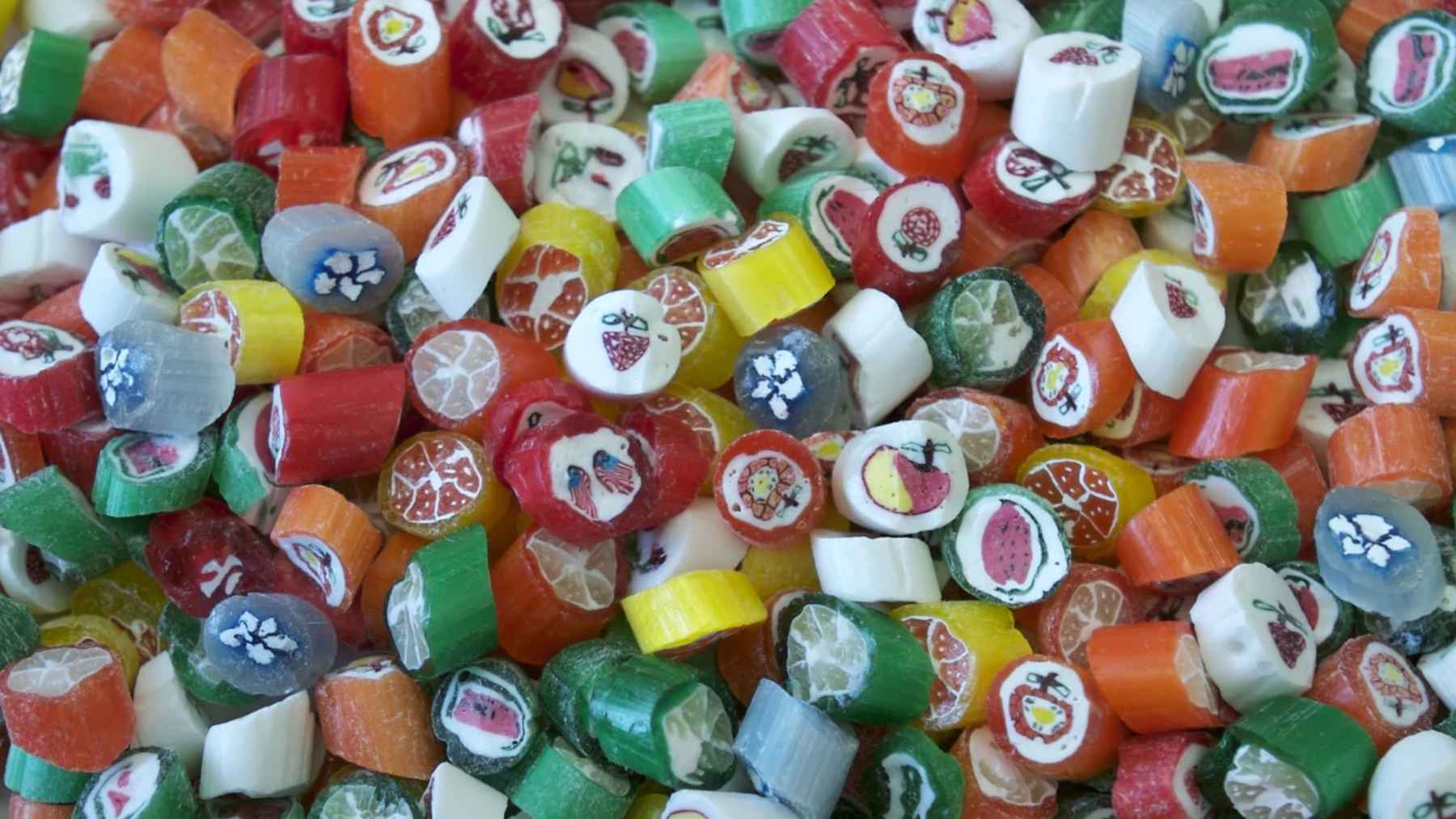
One of Chicago’s oldest candy makers has landed in bankruptcy court. Primrose Candy Company, a family-owned manufacturer that has been producing hard candies, chewy treats, and popcorn since 1928, has filed for Chapter 11 protection in the U.S. Bankruptcy Court for the Northern District of Illinois in an effort to keep operating while it restructures its debts.
The Logan Square company is seeking court approval to reorganize more than $12 million in obligations and secure fresh financing so it can keep paying its roughly 90 workers and cover day-to-day costs.
For anyone who casually grabs wrapped caramels or butterscotch candies at the grocery checkout, the case is a reminder that even nostalgic brands are feeling the strain of higher costs, legal disputes, and changing business conditions.
A century of sweets under financial pressure
Primrose Candy Company started in 1928 and has long specialized in non-chocolate confections such as hard candy, taffy, caramels, and flavored popcorn made in its Chicago facility.
The company sells much of its output in bulk to retailers and distributors, who then package the sweets under a variety of brand names, so many shoppers may have eaten its candy without ever seeing the Primrose label.
Over the decades, its products have included old school favorites that show up in candy dishes and office jars, not just in glossy supermarket displays.
Reporting by outlets such as the Chicago Tribune and Fox Business links that long tradition to current court records that now define Primrose as a debtor in a complex restructuring process.
Rising costs, shrinking sales, and heavy debt
Court filings and news reports indicate that Primrose reported assets between $1 million and $10 million and liabilities between $10 million and $50 million when it filed for Chapter 11 in late January 2026.
On top of that balance sheet gap, the company is working to reorganize a more focused block of about $12 million in debt that is directly weighing on its cash flow.
Revenue has also slipped. According to figures cited by the Chicago Tribune and summarized by other outlets, Primrose’s sales fell from about $11.8 million in 2024 to $7.8 million in 2025, a drop that makes it much harder to cover raw materials, energy, wages, and interest payments at the same time.
Lawsuits and old borrowing add to the strain
The financial picture is not only about sugar and rent. The Street and other business publications note that Primrose recently funded a $125,000 settlement related to the Illinois Biometric Information Privacy Act, after a class action accused the company of collecting workers’ fingerprints without the required notice and consent.
While Primrose denied wrongdoing, setting aside money for that agreement still added to its costs.
A staffing agency, Labor Solutions, is listed as Primrose’s largest unsecured creditor, with about $7.5 million owed for contract labor that makes up much of the company’s workforce.
That same amount appears in bankruptcy records as a line of credit from lender Pathward, giving Primrose a key pool of financing it is now asking the court for permission to keep using so it can stay current on payroll and suppliers.
How Chapter 11 is meant to work for Primrose
Chapter 11 is often called a reorganization bankruptcy, and federal court guidance explains that it is designed to let a company keep operating while it proposes a plan to pay creditors over time instead of shutting down immediately.
In practical terms, that means Primrose can continue making candy for retailers while it negotiates with lenders and trade partners, as long as the judge signs off on its financing and restructuring plans.
Attorney David Welch, who represents Primrose, told the Chicago Tribune that the company is carrying what he described as a lot of old debt it cannot afford to pay in full right now.
He said the goal is to confirm a reorganization plan in the coming months that deals with those legacy obligations without letting them swallow the cash the business needs to buy ingredients, keep the lights on, and pay workers.
Part of a larger wave of bankruptcies
Primrose’s case is unfolding at the same time as other high-profile filings in consumer-facing sectors. Restaurant franchiser FAT Brands, which owns chains such as Fatburger, Johnny Rockets, and Twin Peaks, recently entered Chapter 11 with roughly $1.3 to $1.4 billion in debt, saying it needs to deleverage while keeping its more than 2,000 locations open.
A major Popeyes Louisiana Kitchen franchisee, Sailormen Inc., which operates more than 130 restaurants in Florida and Georgia, has also sought Chapter 11 protection while dealing with about $130 million in obligations and a series of store closures.
These cases suggest that, for the most part, rising food and labor costs, higher interest rates, and older borrowing are combining to push more mid-sized brands into court supervised restructurings.
What this means for workers and candy fans
For now, Primrose Candy Company remains in operation at its Chicago facility, and the company’s Chapter 11 petition is specifically structured to seek new financing that would keep paychecks flowing to its roughly 90 employees.
That is the part workers and their families will watch most closely as hearings continue, since a failed financing request could eventually lead to liquidation instead of reorganization.
Shoppers may not notice any immediate changes on the candy aisle, since Primrose mostly supplies sweets that appear under other labels, and Chapter 11 is meant to keep the production lines running while the lawyers and accountants do their work.
Still, the case shows how even a nearly century-old candy maker that helped fill countless Halloween buckets and office candy jars can find itself caught between global competition, higher ingredient costs, and old debt that no longer fits today’s margins.
The main bankruptcy filing has been published by the U.S. Bankruptcy Court for the Northern District of Illinois.