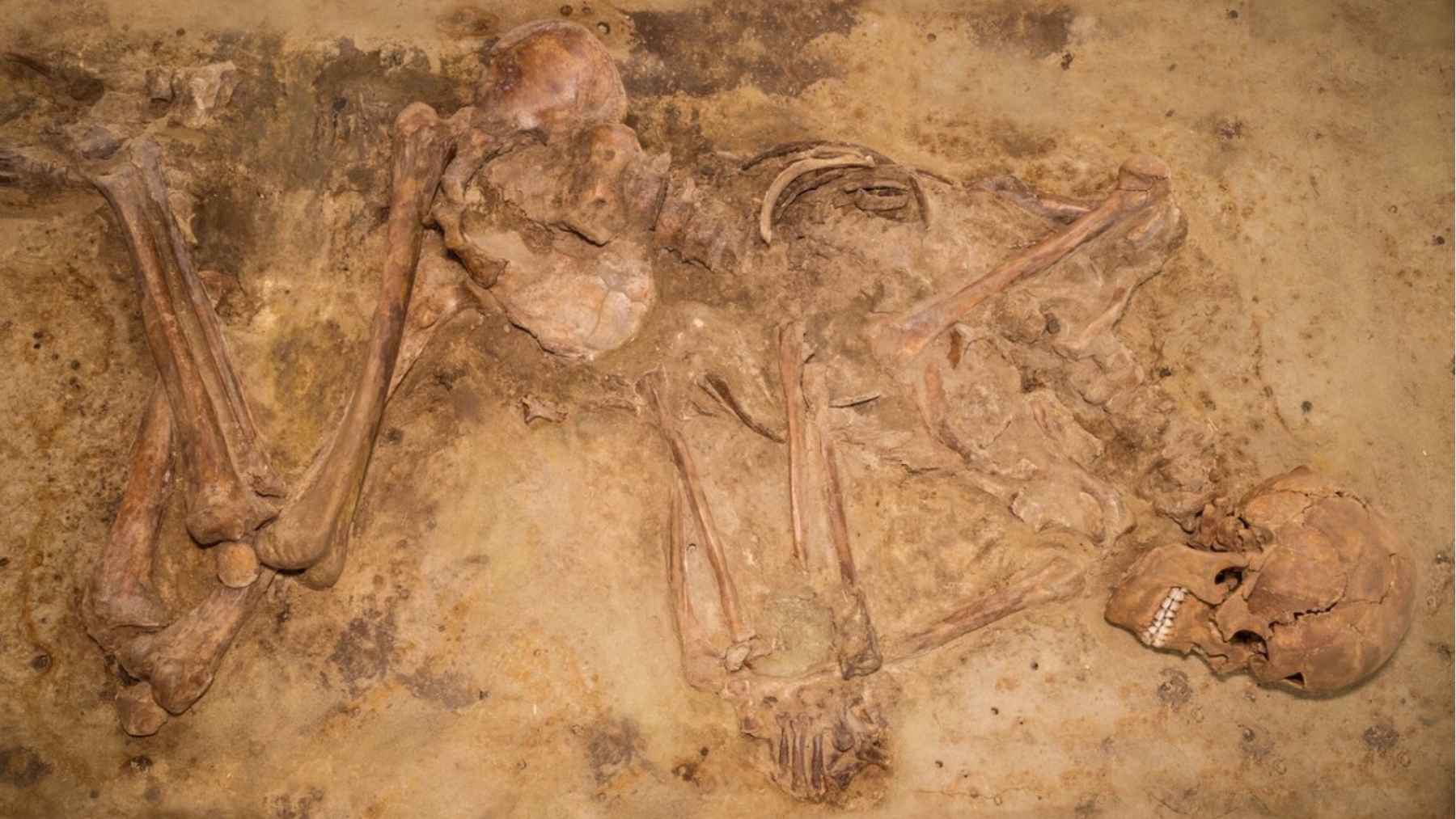
For thousands of years after farming swept across Europe, pockets of hunter gatherers quietly held on in the lowlands of what is now the Netherlands and Belgium. A new ancient DNA study reveals that in these wet, river-crossed landscapes, communities with about 50% hunter gatherer ancestry survived until around 2500 BCE.
They did so while much of the continent had already been transformed by farmers and steppe herders.
Ancient DNA study tracks a rare genetic exception in Europe
Elsewhere in Europe between roughly 6500 and 4000 BCE, descendants of early farmers from western Anatolia mixed with local hunter gatherers and replaced 70% to 100% of earlier ancestry.
In the new work, an international team led by geneticist David Reich at Harvard University and archaeogeneticists at the University of Huddersfield analyzed genome wide data from 112 individuals who lived between 8500 and 1700 BCE in present day Belgium, western Germany and the Netherlands.
Their findings redraw part of Europe’s deep history and link human genetics directly to a very specific environment.
Why wetlands slowed the spread of Neolithic farming
So what kept these communities rooted in place while others embraced farming much earlier? The answer lies in the wetlands themselves. The study focuses on riverine, coastal and marshy zones along the Lower Rhine and Meuse.
This “water world” was rich in fish, waterfowl and wild plants, but less suited to the intensive early plow-based agriculture that first arrived with Neolithic farmers. According to paleoecologist John Stewart from Bournemouth University, the transition in these lowlands was slower than expected and felt “like a Waterworld where time stood still.”
Instead of a sudden population replacement, genetic data show an uneven adoption of farming habits by local hunter gatherers. Farming arrived around 4500 BCE, but the people taking up parts of this new lifestyle were still largely descendants of older forager groups.
The researchers see only minimal genetic input from incoming farmers, which is a sharp contrast with the big ancestry shifts recorded in many other regions. For practical life, that likely meant communities could keep fishing, hunting and gathering, while adding small herds, garden plots or seasonal crops when it made sense.
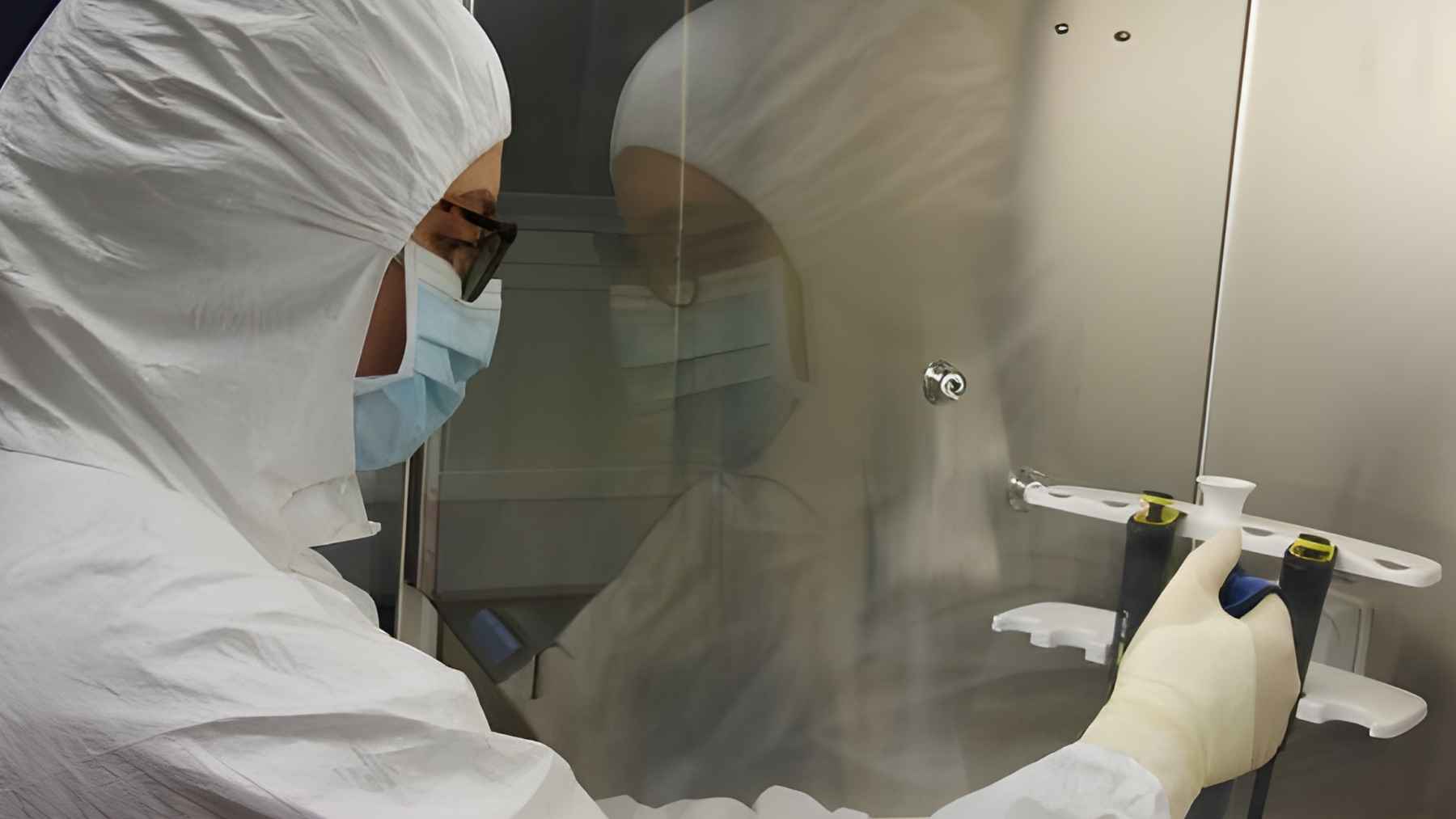
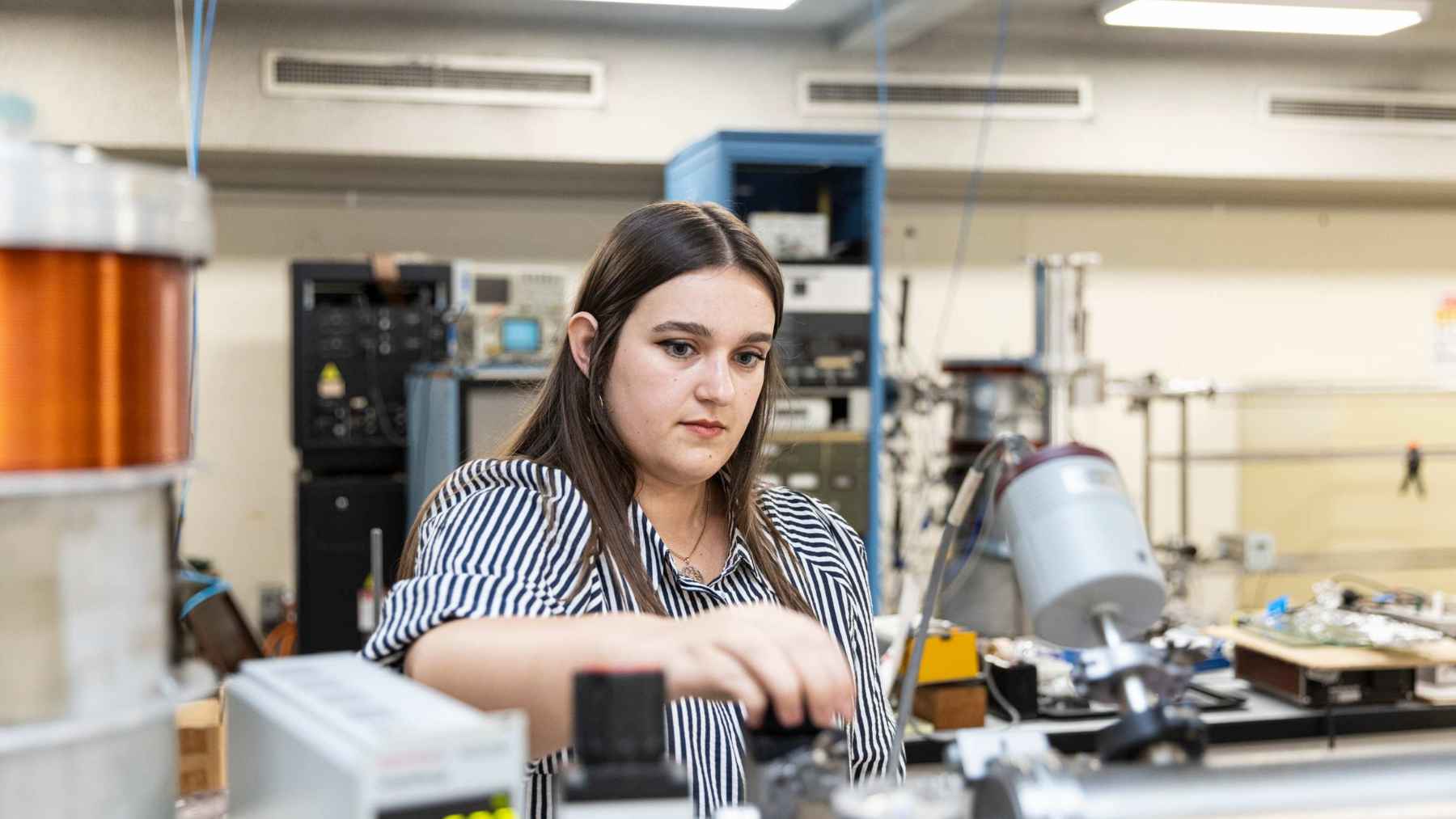
A researcher processes samples in a controlled lab environment as part of an ancient DNA study on early European populations.
Women likely helped transmit early farming knowledge
One striking pattern stands out. The farmer ancestry that did appear in these lowlands came mostly from women who married into local hunter gatherer communities. Their mitochondrial DNA, inherited through the maternal line, carries the signature of early European farmers, while many male lineages remained rooted in older forager ancestry.
In everyday terms, women seem to have brought new seeds, skills and perhaps new ideas about land use into riverside households that still relied heavily on wild resources. As archaeogeneticist Maria Pala notes, this highlights “the crucial role played by women in the transmission of knowledge” during this long transition.
Corded Ware and Bell Beaker expansion reshaped the region
The story of cultural adoption without major gene flow continues into the arrival of the Corded Ware complex, often associated with migrants carrying ancestry from the Pontic Caspian steppe in what is now Russia. Across much of Europe, Corded Ware burials signal a substantial influx of this steppe-related ancestry.
In the western Netherlands, however, individuals from settlements using Corded Ware pottery show almost no steppe ancestry at all, even though their Y chromosomes match those typical of early Corded Ware groups. In practical terms, people in the wetlands seem to have adopted styles and ideas from new neighbors while remaining genetically distinct for quite some time.
Eventually, that genetic stability ended. The study finds that users of the Bell Beaker cultural package in the Lower Rhine Meuse region formed through a fusion of local people, about 13% to 18% of their ancestry, and Corded Ware associated migrants of both sexes.
These Bell Beaker groups then expanded across northwestern Europe and into the United Kingdom, where they contributed to a near total replacement of earlier Neolithic ancestry. The quiet refuge of the wetlands, genetically speaking, finally joined the wider continental story and its unfolding record of Europe’s deep history.
What this discovery suggests about ecology and human adaptation
For environmental scientists, this work is more than a tale about ancient family trees. It shows how specific ecosystems can slow, redirect or reshape even very powerful cultural waves.
In a landscape with abundant wild food and tricky soils, there was less pressure to overturn existing lifeways in favor of intensive farming. People did not simply impose a new model on the land. To a large extent, the land dictated which models could survive.
There is a modern echo here. Today many river deltas and coastal wetlands are on the front line of climate change, from sea level rise to floods and saltwater intrusion. The Lower Rhine Meuse story reminds us that communities living in complex watery environments have long relied on flexible, mixed strategies that combine different food sources and land uses rather than a single, rigid system.
That is a useful lesson as planners weigh how to protect wetlands, secure food supplies and avoid pushing fragile landscapes past their limits.
At the end of the day, this research shows that Europe’s genetic map was not drawn in a single sweeping motion. It was stitched together piece by piece, with some regions such as this North Sea “water world” following their own timetable.
The study was published in Nature.