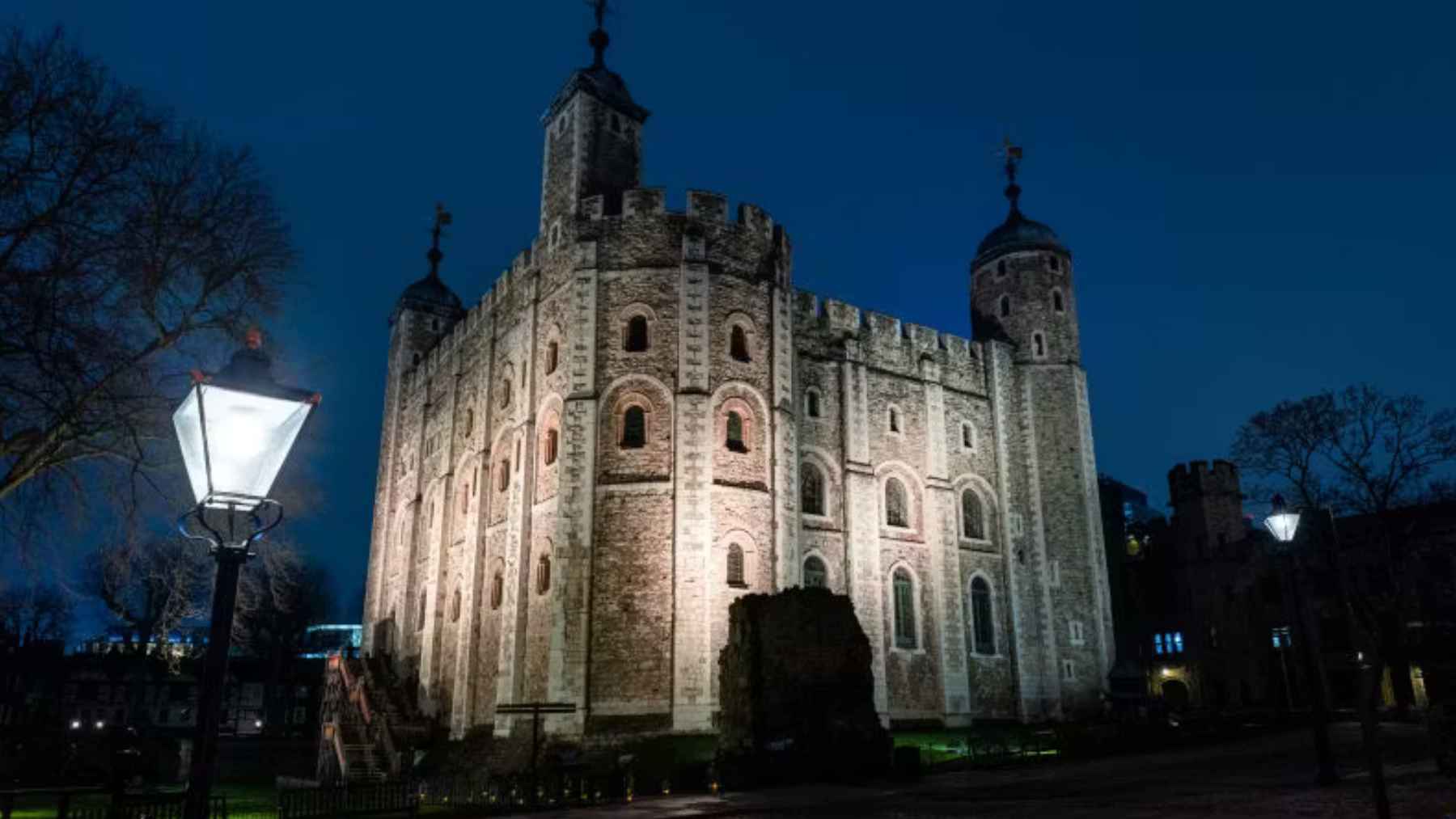
Under the chapel at the Tower of London, archaeologists have opened a rare window into everyday life and death inside the medieval fortress that millions now visit on school trips and weekend breaks.
What began as building work to install a lift for the Chapel Royal of St Peter ad Vincula has become the most significant excavation here in more than thirty years.
Medieval burials and the Black Death at the Tower of London
In a strip of ground beside the chapel, the team has uncovered the remains of more than twenty people and expects that several dozen individuals lie in this compact space.
What can a few bones and pots really tell us? Many were ordinary members of the Tower community. A tightly-packed group of burials from the 14th century may even mark some of the first Londoners to die when the Black Death reached the city.
Those burials show two very different experiences of loss. One cluster of seven graves appears rushed, with bodies laid close together and little sign of ceremony, which matches the grim tempo of a fast-moving epidemic.
Nearby, others were carefully placed in coffins and wrapped in shrouds that survive only as fragile scraps preserved in the clay-rich soil.
Rare medieval finds and funerary practices
A handful of finds stand out as almost unique in Britain. In one high-status grave, archaeologists recovered two small ceramic pots filled with charcoal, echoing funerary customs seen more often in parts of continental Europe and recorded only once before in England.
If enough of this burned plant material survives, specialists in ancient plant remains may be able to identify the species and reconstruct the incense mixture once used in memorial rites.
Chapel history and hidden foundations
The dig is also reshaping the architectural map of the chapel. Beneath the present Tudor building, researchers have traced evidence of the fire that destroyed an earlier chapel in the early 16th century, building work from the 13th century and even older walls and floor surfaces that may belong to a 12th century chapel.
Together, these layers suggest that worship has continued on almost the same footprint for around 800 years.
Isotope analysis and what bones can reveal
Before this larger dig began, a 2019 test trench outside the chapel entrance revealed two skeletons, a middle-aged woman and a younger man. Their remains were taken to Cardiff University, where researchers combined close study of the bones with a method called isotope analysis to investigate diet, health and movement.
Chemical signatures in teeth can reveal where someone grew up and whether their meals were rich in meat and fish or based on cheaper grains.
The woman appears to have enjoyed a rich diet that even included sugar and to have moved at least twice before arriving at the Tower late in life.
The younger man, roughly apprenticeship age, showed signs of severe stress in childhood, likely linked to disease or poor nutrition, and seems to have lived closer to London. Together, their stories hint at a mixed, middle-ranking community.
Now the same tools are being applied to the larger group of remains, including the suspected plague burials. DNA testing may confirm whether the Black Death bacterium was present.
Isotopes will help show who was local and who had travelled in from elsewhere, turning teeth and bones into evidence about migration, inequality and health in a medieval city that struggled with crowding, sanitation and infectious disease.
Environmental clues in medieval archaeology
There is a quiet environmental thread running through these discoveries. The charcoal in those incense pots carries clues to medieval woodlands and trade routes. The clay that protected a scrap of burial shroud reminds researchers how soil chemistry shapes what survives and what disappears.
Even the Black Death itself involved an ecological chain of events, as a bacterium moved through rodent and flea populations before devastating human communities packed into dense urban quarters.
At the end of the day, the Tower of London excavation is more than a striking headline about hidden skeletons beneath a tourist landmark. It is a once in a generation chance to see how people in a famous fortress lived with risk, ritual and the landscape beneath their feet.
The study was presented in a news release published by Cardiff University.