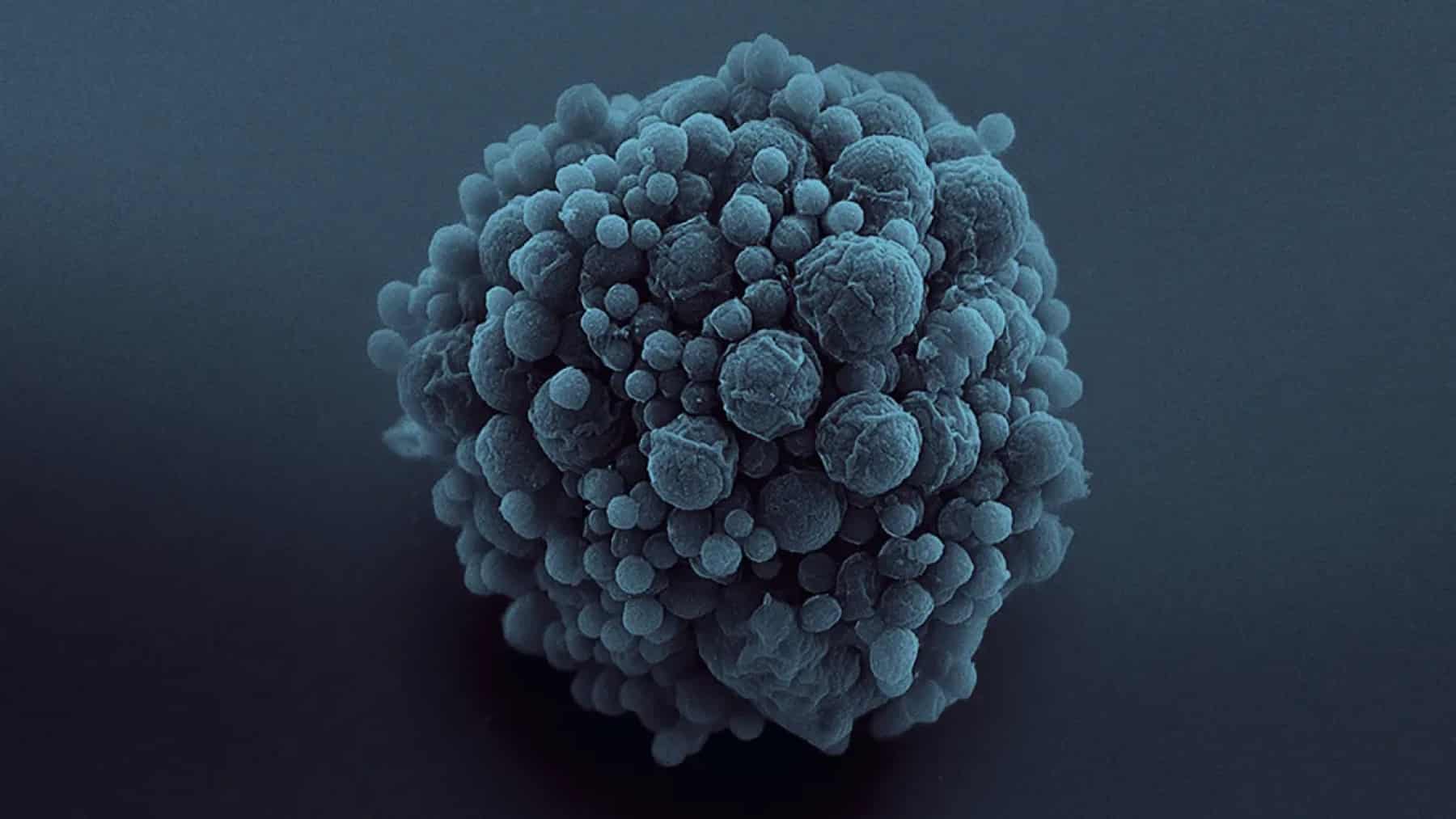
Scientists have created artificial life in the lab for the first time. The complete genome of the yeast Saccharomyces Cerevisiae was finally synthesized by a team from Macquarie University after decades of research efforts. Meanwhile, European scientists are pushing new boundaries with the MiniLife project that aims to create metabolically active life out of nothing. But even more interesting than the advances themselves are the behaviors of these synthetic organisms, with surprising characteristics that can challenge our very perception of what life is.
Lab to life: The complex reality of synthetic yeast
Saccharomyces Cerevisiae is a landmark achievement in genetic engineering. Now researchers have painstakingly pieced together the 16th and last chromosome of the yeast genome, called SynXVI. This means, at least in theory, that yeast cells can be fully rewired, changing their functions and roughness. However, scientists observed strange behaviors when altering this organism.
A major hurdle confirmed that the synthetic yeast was able to efficiently metabolize glycerol under elevated temperatures. This involved painstaking genetic debugging, employing CRISPR and other gene-editing instruments to pinpoint and fix the problems.
Unexpectedly even small shifts where genetic markers were placed had a dramatic impact on how the yeast functioned, and the pattern of growth and metabolism was unique. These findings point out just how unpredictable the results are when even small genetic changes are made.
The MiniLife project: Pushing the boundaries of life
While the yeast genome project alters an existing organism, the European MiniLife project seeks to construct life from scratch, refusing to use any pre-formed biological component. Supported by the European Research Council, the project aims to create self-replicating, evolving cells starting from basic chemicals, a feat never achieved before (like this strange life that replicates itself).
Rather than the known biological molecules used in other attempts at artificial life, MiniLife researchers are working with autocatalytic systems. The formose reaction, a chemical process that gives rise to sugars from simple molecules, is one of the more promising candidates.
Strangely, when these organisms are stirred up within the constraints of a controlled environment, they display both growth and division, like primitive life. Some chemical droplets divide faster than others, a reflection of the concept of evolutionary fitness in biology.
What’s especially weird is that these systems show evidence of heredity. Under varying environmental conditions, scientists noticed that chemical mixtures could switch between two different distinct heritable states, like natural selection. This phenomenon raises interesting questions about what constitutes life as we know it and challenges the proverbial textbook example of the peppered moth that adapted to an industrialized environment.
Why we must address the hazards of artificial life now
Artificial life is no longer science fiction, and it is important to think now about the potential ramifications. Ever since humans first created new strains of plants and animals, the potential risks have been a concern, while the ability to synthesize organisms offers vast benefits in fields like medicine, agriculture, and manufacturing. While the MiniLife team insists artificial systems are not likely to survive in non-controlled outdoor settings, appropriate ethical structures must still be established.
Ethical frameworks are being currently being designed to shape future research. Researchers believe that now is the moment for future-thinking, to ensure the cultivation of responsible innovation while maximizing the trans-formative potential of synthetic biology.
The birth of artificial life is a turning point in science, bringing biology, chemistry, and engineering together in new ways. Researchers are stretching the boundaries of what can be done, from debugging yeast genomes to developing self-replicating chemical systems. But as these artificial forms of life display unpredictable behavior, they are ultimately more than just toys; they also question our basic understanding of life itself. We have only scratched the surface and with every discovery, we are one step closer to unraveling the secrets (such as creating life from nothing).