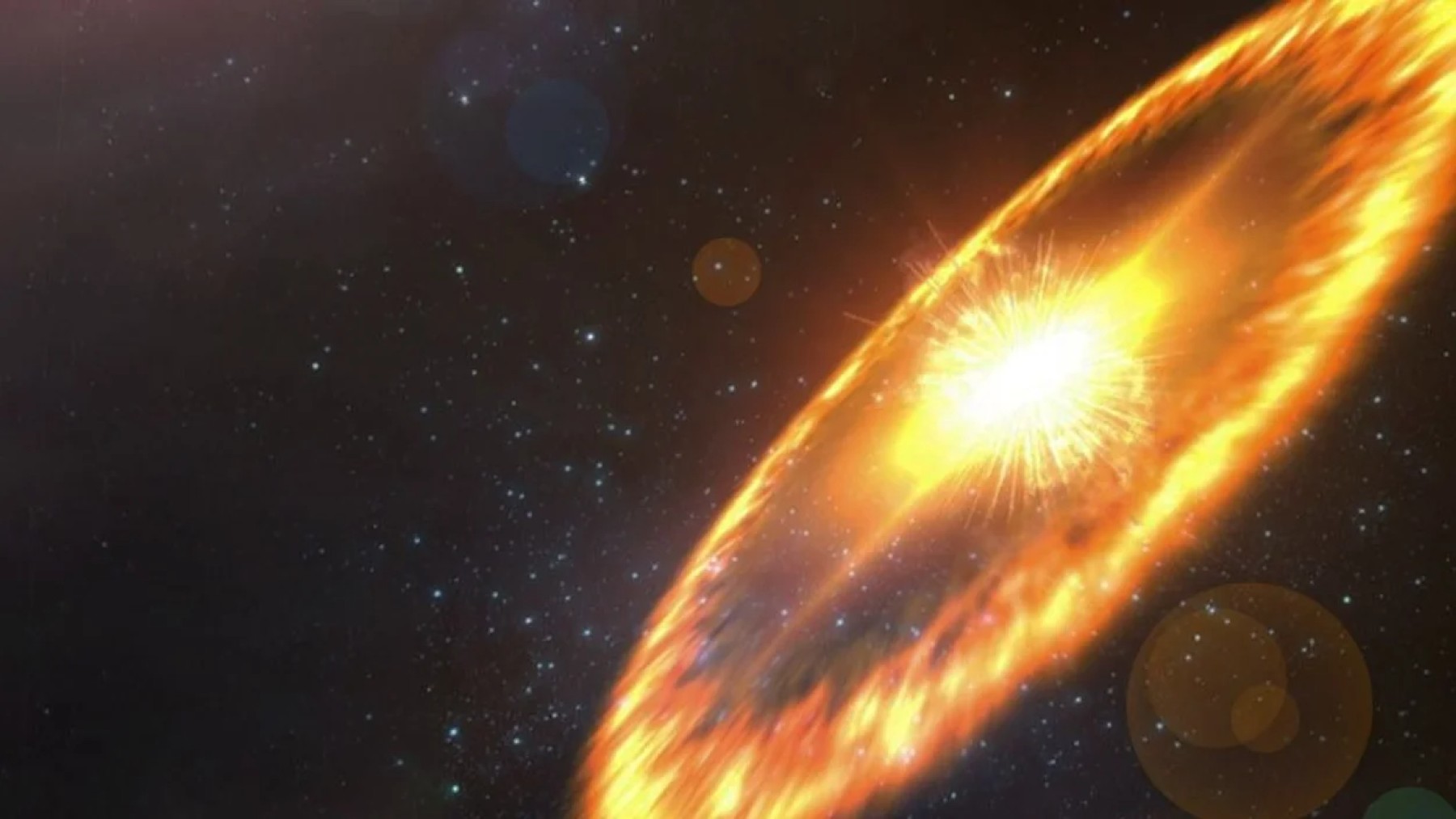
Asteroids usually tell us about the vast, unpredictable stretches of space, but they seldom give us a chance to witness their theatrical entry into the Earth’s atmosphere. One such asteroid, C0WEPC5, measuring a mere 70 cm in diameter, was seen blazing through the skies above Siberia on Tuesday, leaving behind a fireball that seemed dramatic enough to attract attention. Detected barely hours prior to the atmospheric entry, it demonstrates advances in asteroid detection and planetary defense.
ATLAS and ESA: Partnering to find asteroids
NASA’s network of telescopes, called the Asteroid Terrestrial-impact Last Alert System (ATLAS), first detected the newly discovered C0WEPC5. The confirmatory later alert from the European Space Agency (ESA) regarding the harmless descent of the asteroid also verified this alert.
It is increasingly becoming common to detect “imminent impactors,” asteroids having mere hours of time left before entering Earth’s atmosphere, mostly due to advances in technology and coalitions around the world. Early not only gives predictions accurate enough for the ESA event to be said to occur with a 10-second margin but also allows for invaluable opportunities in scientific observation.
Past detections, for example, have allowed researchers to scrape meteorites and provide very few insights into what asteroids are made from. That, in 2008, saw early detection of an event with subsequent retrieval of meteorite pieces fitting very closely with the asteroid’s reflectivity data, showcasing how good the technologies are today.
From Orbit to Social Networking: The Saga of C0WEPC5
Small as much as C0WEPC5 may be, its descent across the Siberian sky was anything but subtle. Bright fireball came up streaking through the atmosphere visible for hundreds of kilometres from Yakutia, where people encountered a brief but spectacular escape into nature from the cold outside.
Such events suggest the dynamic nature of our planet in relation to space debris. Most objects such as this burn up harmlessly in the atmosphere, but the visual effects are great. Within hours, the social media had packed themselves with videos showing the dramatic breakup of the asteroid, thus providing another view of the event, which could easily be superseded.
Planetary defense: How NASA and ESA track threats from an asteroid
No threat was posed by C0WEPC5, but detecting and tracking asteroids has become critical for planetary defense. Both NASA and ESA have advanced programs for near-Earth object surveillance using leading-edge telescopes and nets of amateur and professional astronomers worldwide.
These help, in very early stages, identify the larger and potentially hazardous objects. NASA Planetary Defense Coordination Office (PDCO) is, for example, preparing for the possibility of asteroid threats. A successful demonstration of the agency’s Double Asteroid Redirection Test (DART) in 2022 showed a means of collision to adjust an asteroid’s trajectory.
Meanwhile, future projects like the NEO Surveyor telescope, scheduled for launch in 2028, aim to identify 90% of near-Earth objects more than 140 m across. These allow mankind itself to be prepared for potential threats while extending our knowledge regarding those celestial wanderers.
C0WEPC5 harmlessly entered the atmosphere of Earth, both as a show and a reminder of the importance of further improvements in asteroid detection and planetary defense. Successful detection certainly adds to our increasing cast of capability for tracking, and in event of need, responding to any threat from space.
Such incidents remind us of the spectacular dynamics in our cosmic neighborhood while emphasizing the pressing need to protect this planet against whatever may bring it harm as we continue to refine our technologies and strategies.