From ice baths on social media to that last brutal twist of the shower handle in the morning, cold water immersion has become the wellness habit of the moment. A new systematic review in the journal PLOS ONE pulls together the best available trials and offers a much cooler look at what those plunges actually do to the body.
Researchers examined 11 randomized controlled studies involving 3,177 healthy adults who used cold baths or showers at temperatures between 7 and 15 degrees Celsius.
The picture that emerges is more nuanced than the hype. Cold water sessions triggered a short burst of inflammation and a strong shock response in the heart and nervous system.
About 12 hours later, stress levels tended to drop, and some people slept better and reported a small bump in quality of life. Effects on immune function and mood were far less clear, and many of the studies were small and based mostly on male participants.
What the scientists actually tested
The review only included studies with healthy adults. Volunteers sat or stood in cold water up to chest level in baths or plunge pools, or finished their regular shower with a cold phase. Water never exceeded 15 degrees Celsius, and exposure lasted from half a minute to two hours. Most experiments compared cold water immersion with simply resting or sitting at room temperature.
To a large extent, this was a lab version of what people are doing at home in their bathroom or backyard tub. Still, the protocols were all over the map. Some people did a single plunge after exercise.
Others repeated cold showers daily for a month. That variation matters when you try to translate the results to your own routine.
One of the largest studies, which followed more than three thousand adults for thirty days of cold showers, found that people who ended their shower cold were off work sick about 29 percent less often than the control group.
Interestingly, they did not report fewer total days of illness, which suggests behavior change rather than a miracle immune boost.
From cold shock to calmer stress signals
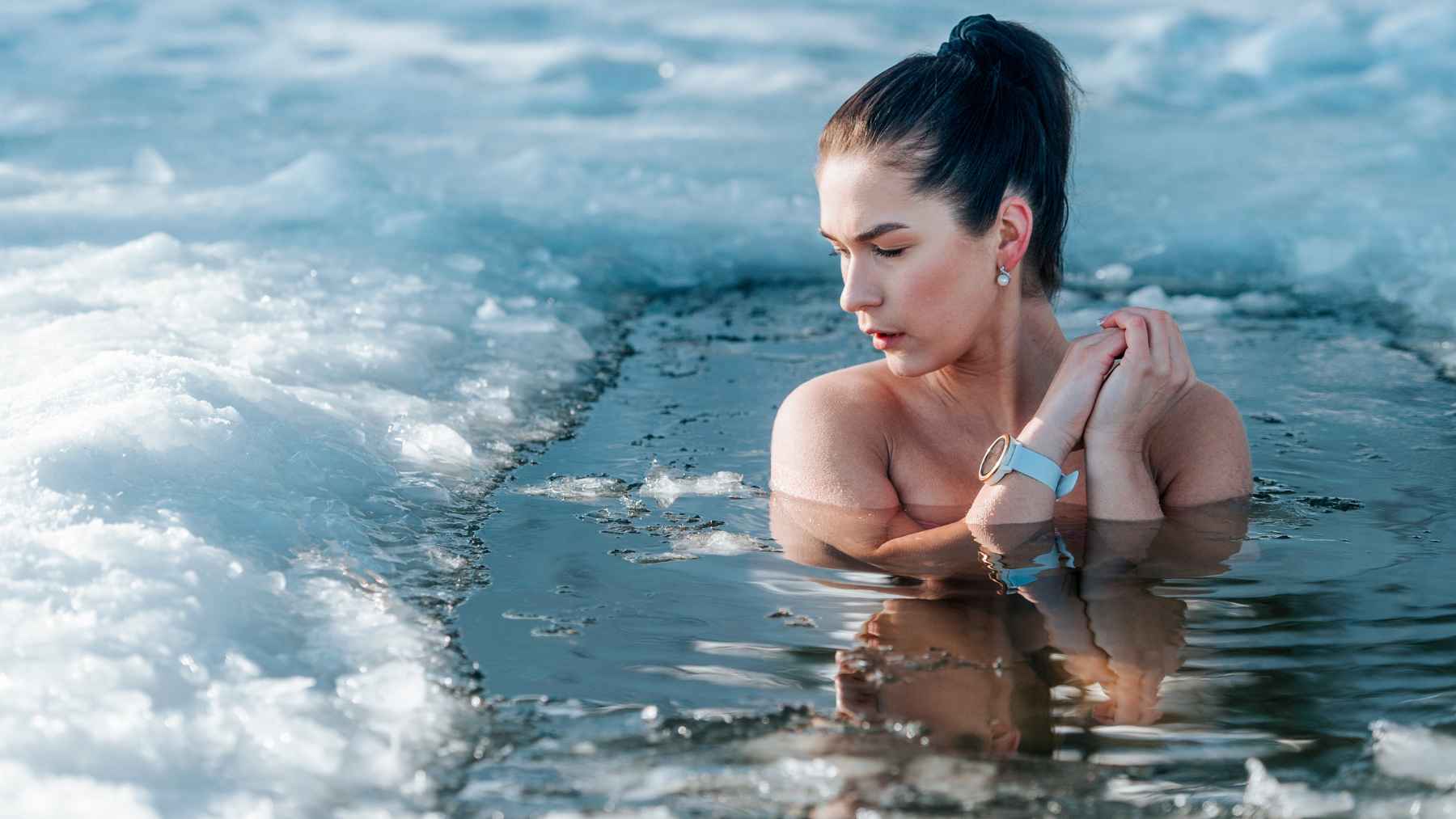
Anyone who has stepped into a winter river knows the sensation. The first seconds feel like a jolt. That is the cold shock response, when heart rate, breathing, and blood pressure all jump and stress hormones such as norepinephrine surge.
In the pooled data, markers of inflammation rose immediately after immersion and stayed elevated for about an hour. At that point, the body was still in an activated state, not yet in recovery mode. Twelve hours later, though, the pattern flipped.
Across several trials, stress scores were significantly lower than before the cold exposure, suggesting that the nervous system had shifted toward a calmer, more regulated state.
In practical terms, that means the much talked about mood lift may not hit you right away as you shiver by the tub. It may unfold later, while you are at work or settling into the evening.
Immunity, sleep, and everyday wellbeing
On paper, cold shock looks like it should train the immune system. Yet in the short term, the review did not find consistent changes in immune markers such as white blood cell counts within the first hour after a plunge.
The longer view was slightly more encouraging. The month-long shower study that reported fewer sick days hints that regular cold exposure might help people cope better with minor infections, even if it does not stop them from catching every cold that goes around the office.
Sleep quality improved in one small trial where participants used cold water to cool down after repeated heat training, and quality of life scores were modestly higher after thirty days of cold showers. Those differences faded again by ninety days, which suggests that the novelty effect and adherence may play a big role.
So for most people, cold water looks more like a gentle nudge for wellbeing than a powerful new therapy.
Who should be careful
The authors are clear that the evidence is still limited. Many trials had small samples, used different cold protocols, and rarely included women. People with heart or circulation problems were usually excluded, which means their safety is largely unknown.
Speaking to Passport Health, lead author Tara Cain summed it up this way. “Cold water immersion could be beneficial for reducing stress and improving the quality of life among healthy populations,” she said, while warning that anyone with existing health issues should approach with caution because the initial inflammatory and cardiovascular response may have unintended effects.
At the end of the day, if you are generally healthy and curious, a short cool shower might be a low-cost way to experiment with stress management, as long as you listen to your body and ease in gradually.
For those with medical conditions, the safer route is to talk with a healthcare professional first rather than copying the most extreme ice bath you see online.
The study was published in PLOS ONE.