Hydrogen seems to be the word on every world leader’s lips as demands for renewable energy escalate. This element, an essential component of water, may hold the key to transitioning to clean energy. Hydrogen is a powerful element that, when burned, only produces water. Australia plans to start generating millions of tons of green hydrogen, and Germany wants to get involved to help connect European buyers.
Australia has abundant renewable energy resources and wants to explore new hydrogen trade routes
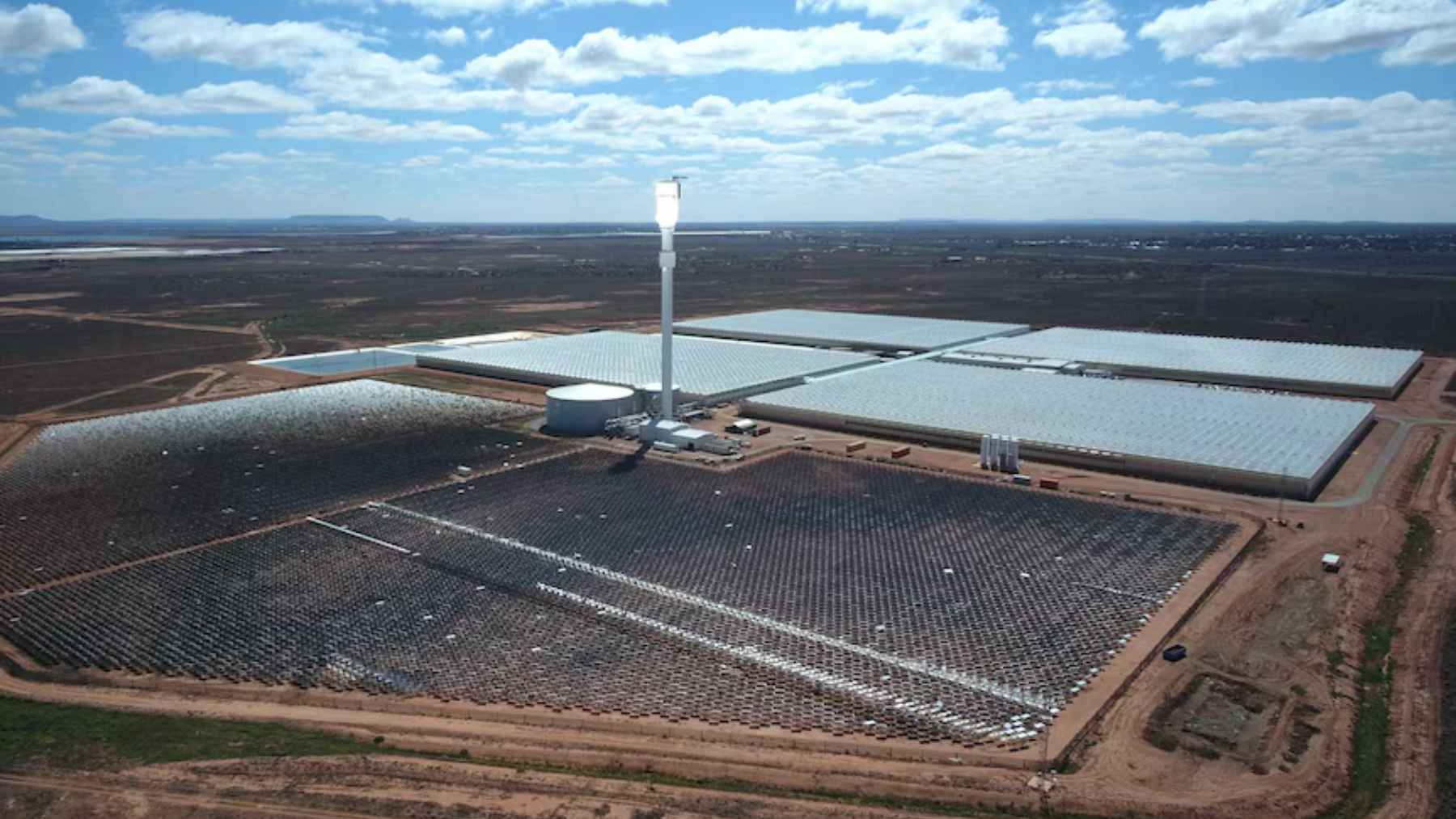
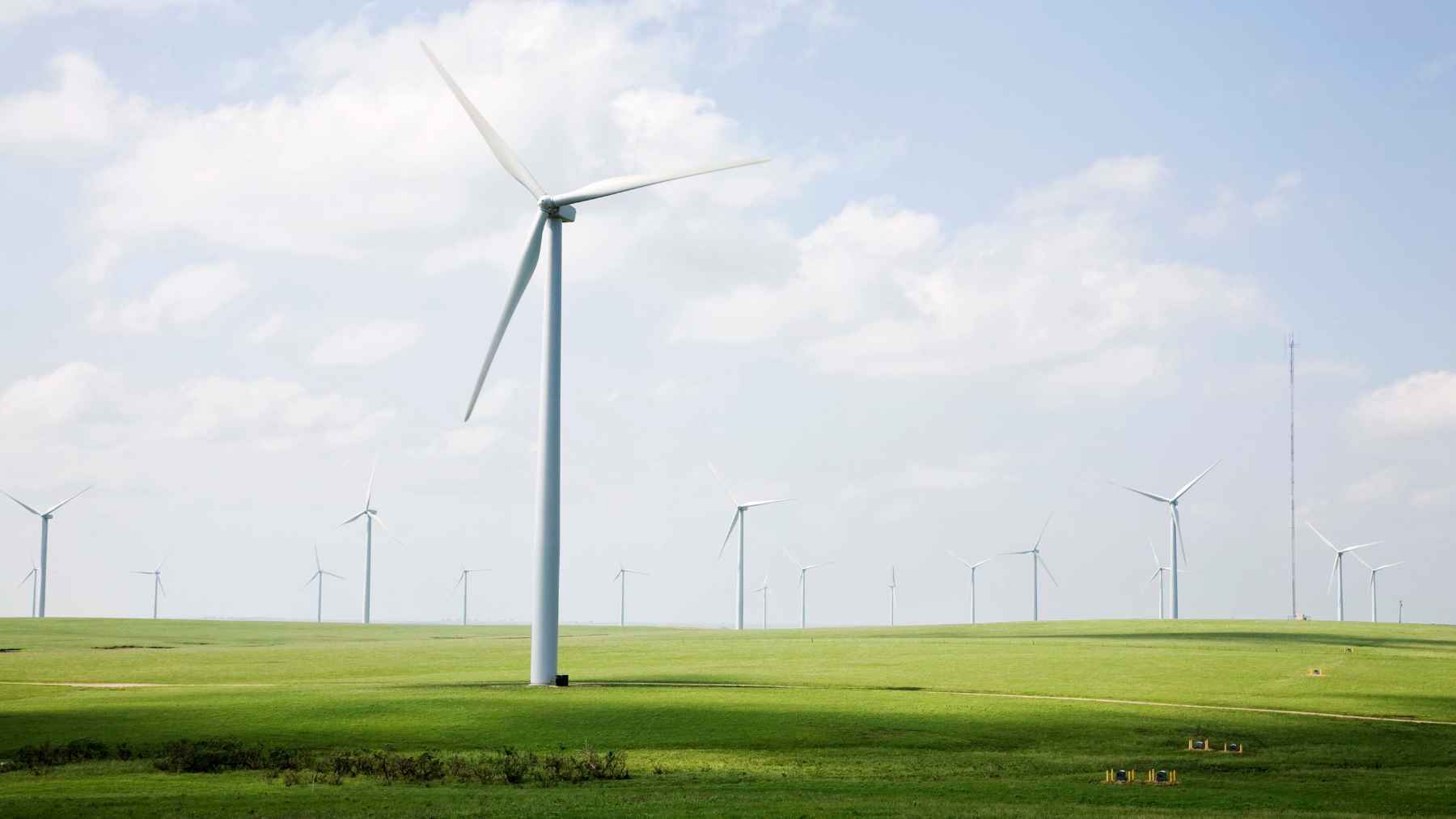
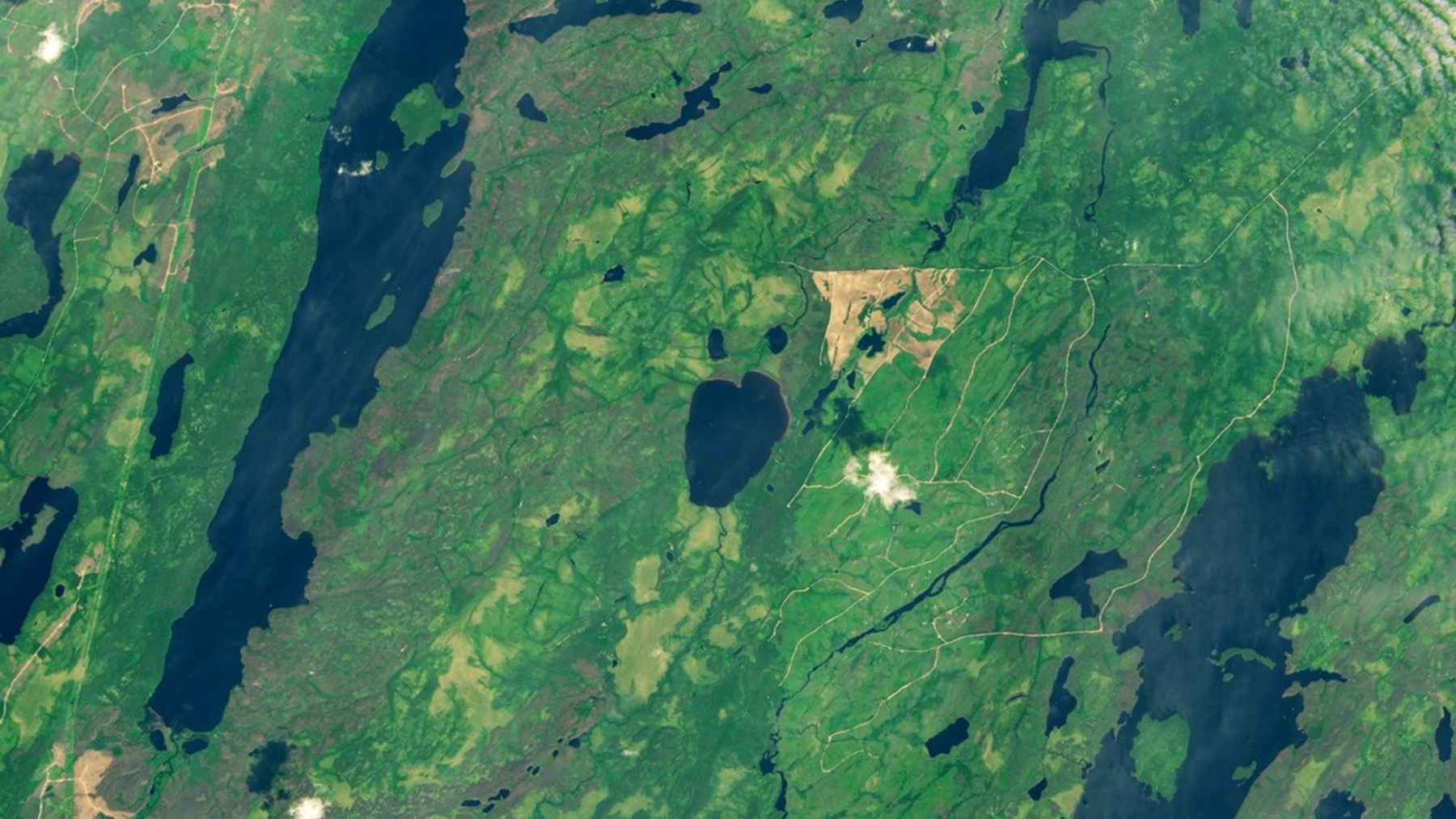
The total population of Australia is under 30 million in a country with a landmass that’s 1.59 million square kilometers (614,271 square miles) bigger than Europe. That gives Australia a strong advantage when it comes to renewable energy. The country has a lot of land area and funds to invest in clean energy sources such as solar, wind, and geothermal. Australia also plans to get involved with making green hydrogen to supply industries around the world.
One of the issues Australia faces with selling green hydrogen is that it is fairly isolated. Australia is closer to Asia than it is to Europe, but the demand for green hydrogen isn’t growing in Asia like it is in Europe. Because the biggest buyers of green hydrogen are in Europe, Australia needs to find new trade routes to get the hydrogen to the people who want it.
The world’s current hydrogen production produces too much CO2, and only going green will fix it
The global community is paying a lot of attention to the production of hydrogen. For one thing, industrialized countries will not be able to transition to sustainable energy without utilizing hydrogen. However, the current way that most hydrogen is made produces too much CO2. The process is called methane reformation, and it involves transforming methane found in the Earth into hydrogen. The downside is that the byproduct is CO2, which means this process increases greenhouse gas emissions.
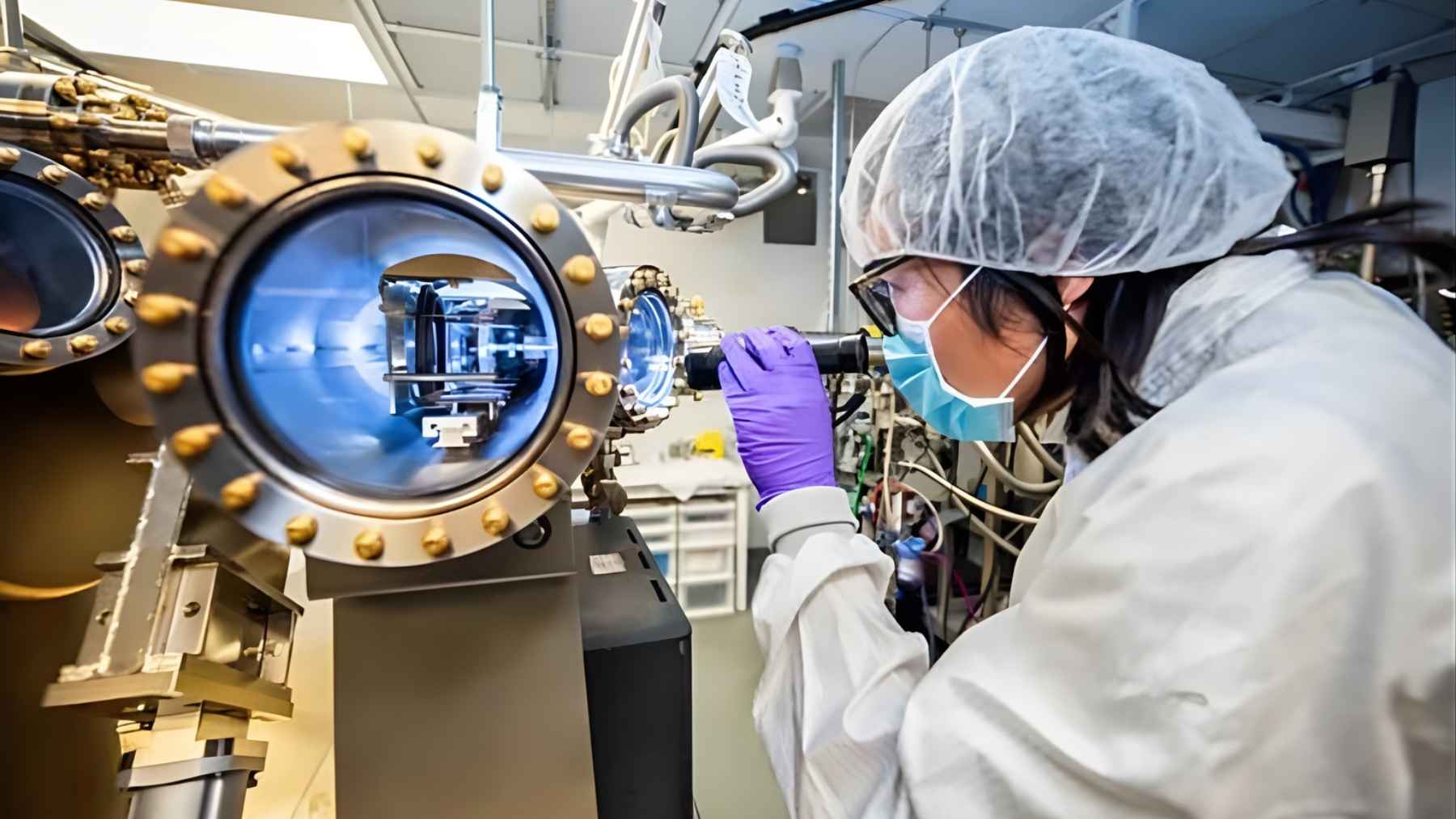
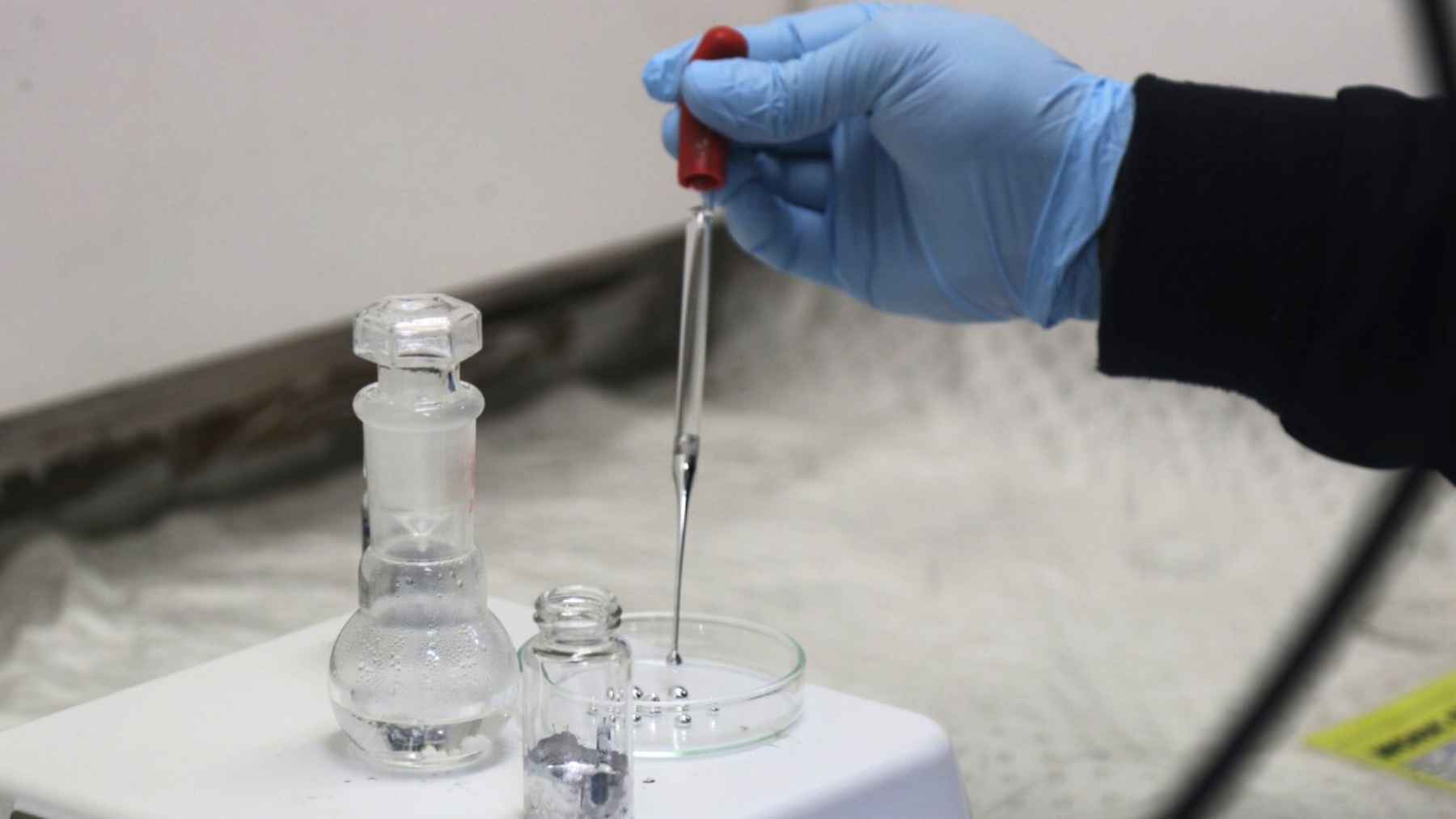
It is possible to make hydrogen without emitting greenhouse gasses. The process of electrolysis involves hitting water with electricity to split it into hydrogen and oxygen. The same thing can be achieved by using high heat from any other heat source. Even if methane is used to create hydrogen, companies do have the option of capturing the CO2 that’s released and not letting it into the atmosphere. As long as companies use renewable energy or are responsible for the CO2 that’s released, the process of creating hydrogen can go green.
Germany will utilize its hydrogen auction mechanism to help Australia deliver its green hydrogen supply
Germany is a power player in the renewable energy industry. Like many other European countries, Germany wants to help the world achieve net-zero carbon emissions. One of the ways the country wants to do this is by helping industries transition to using green hydrogen. That’s why Germany is willing to put more than $300 million into a hydrogen deal with Australia.
H2Global is an auction mechanism that Germany oversees that helps stimulate the global hydrogen market. This auction tool will come in useful as Germany and Australia work toward developing shipping routes and supply chains for green hydrogen. Producers of hydrogen can even apply to receive subsidies from Germany and other partners to stimulate business growth and profits.
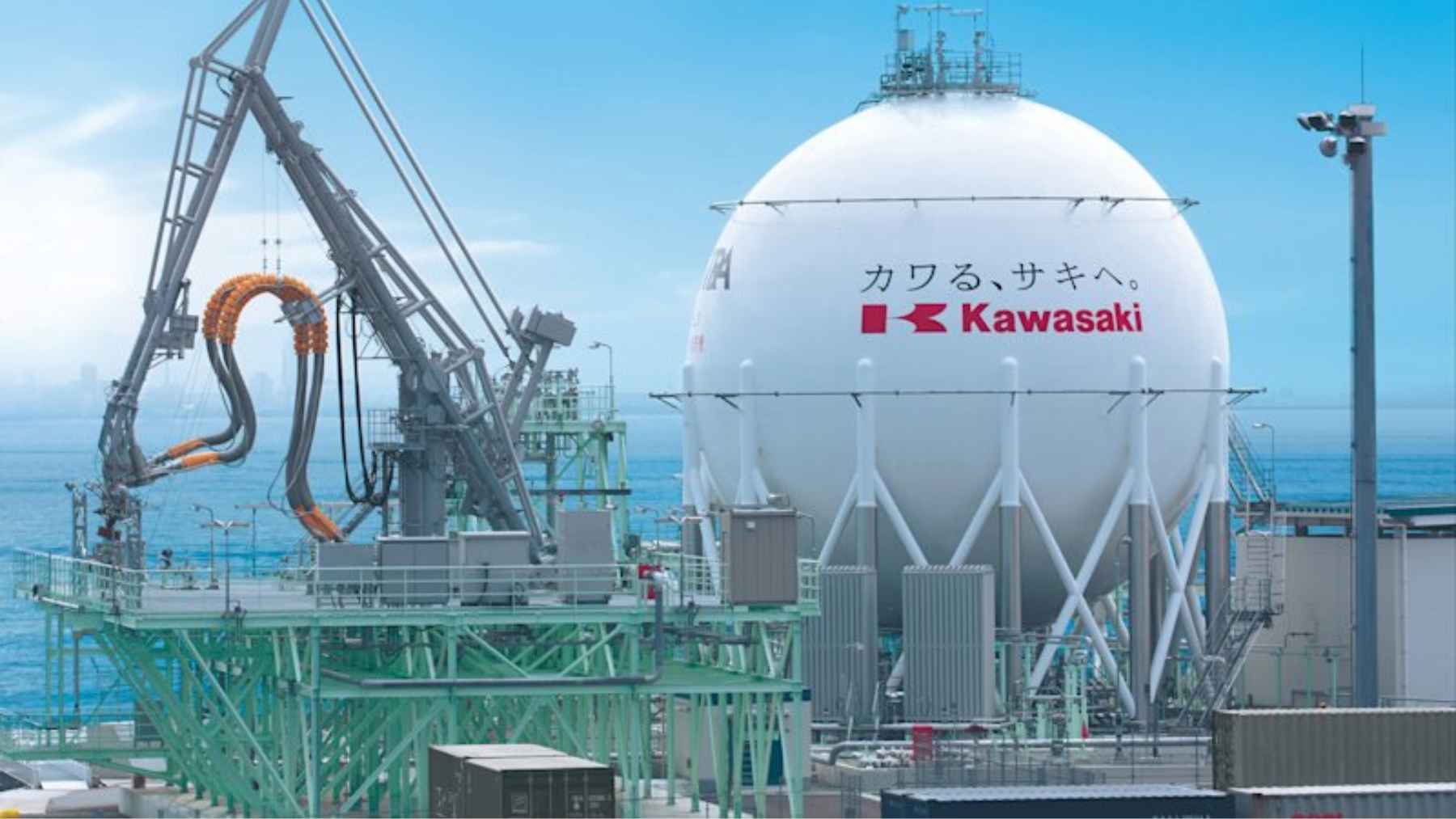
Global governments are realizing that there’s very little time to ward off the climate crisis. Hydrogen is going to be a key component of sustainability in the future, and countries like Australia and Germany are willing to invest in green hydrogen projects to make it happen. Even though hydrogen will have to be shipped using existing infrastructure such as ships and pipelines, getting it to Europe is still a high priority for those countries.