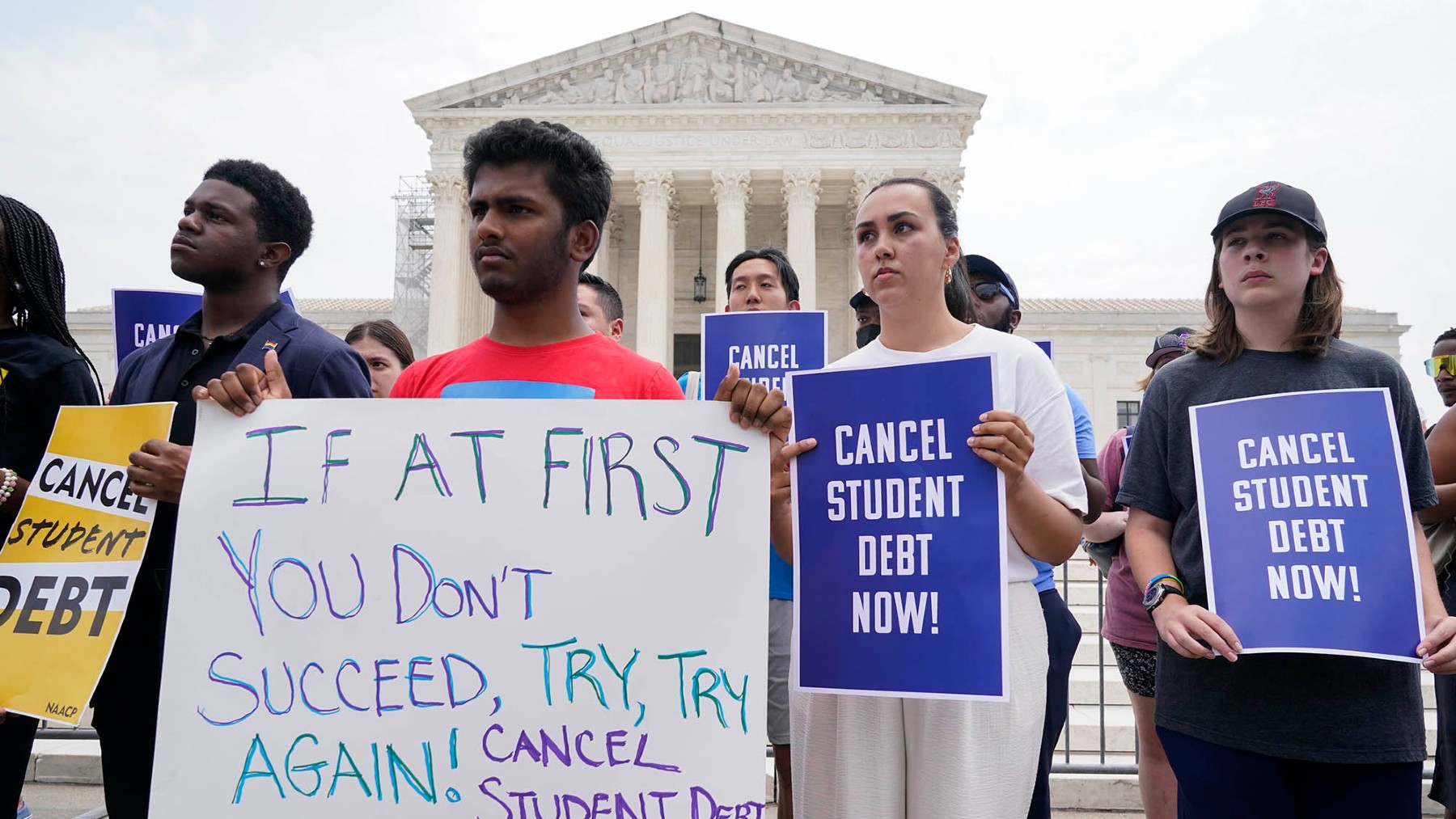
In 2025, student loan borrowers may face significant increases in their repayment amounts due to proposed changes in legislation. As lawmakers discuss new reforms aimed at addressing the growing national student debt crisis, many of the proposed adjustments could result in higher interest rates and altered repayment structures. These potential changes are generating concern among current and future students, who may be burdened with even larger loan obligations.
The student debt crisis in the US
The student loan debt crisis in the USA has become a significant financial burden for millions of Americans. Over 43 million individuals owe student loans for their studies. As of now, there exists a staggering $1.75 trillion in combined federal and private student loan debt. This growing debt, compounded by economic challenges and global hardships, has prompted calls for legislative action to address the issue.
Many borrowers struggle with the weight of their loans, facing increasing repayment costs and limited economic opportunities. As the crisis deepens, lawmakers are considering various reforms aimed at alleviating the financial strain on borrowers and finding long-term solutions to the rising student debt. The cost of higher education has risen sharply over the past few decades, outpacing inflation and wages, leading students to take on more debt to finance their education. Despite the promise of better job prospects with a degree, many borrowers face challenges such as underemployment, stagnant wages, and high living costs, making it difficult to manage loan repayment.
Proposed 2025 legislation changes expected to increase loan repayments
The College Cost Reduction Act, introduced by Rep. Virginia Foxx, aims to overhaul the student loan system while reducing the national deficit by as much as $280 billion over the next decade. However, this proposed change has sparked controversy, as it could significantly alter the amounts students owe, leading to debates over who actually benefits from the proposed changes.
One of the biggest controversies surrounding the proposed changes is the scrapping of President Biden’s SAVE income-driven repayment plan. In addition, another notable policy-change would require borrowers to repay their loans on a standard 10-year plan, potentially resulting in higher monthly payments for many. Additionally, borrowing limits would be imposed, capping undergraduate loans at $50,000 and graduate student loans at $100,000.
The law would also eliminate the Federal Supplemental Educational Opportunity Grant program and PLUS loans for graduate students, raising concerns about the potential impact on college affordability for the majority of students. According to U.S. News data, the average cost of tuition and fees for the 2024-2025 school year is $43,505 at private colleges, $24,513 for out-of-state students at public universities and $11,011 for in-state residents at public schools.
Coupled with this, interest rates for new federal student loans have reached their highest levels in 2024, with undergraduates facing a 6.53% rate and graduate borrowers over 9%. These increases mean students paying back loans in 2025 could pay hundreds more annually. As federal rates are fixed, borrowers may have to choose between costly federal loans or riskier private loans that lack protections.
The continued debate on student loans
The debate over student loans continues to intensify within the government, with lawmakers divided on the best approach to address the growing crisis. The College Cost Reduction Act may be a potential solution, but its passage remains uncertain. With Republicans controlling the House post 2024-election results, the bill’s passage is likely, though significant revisions may be needed to gain bipartisan support.
Key concerns from both sides include the impact of loan repayment requirements on borrowers and how best to balance fiscal responsibility with providing relief to students. The ongoing discussions highlight the complex nature of the issue and the challenge of reaching a consensus that addresses both the financial burden on students and the national debt.