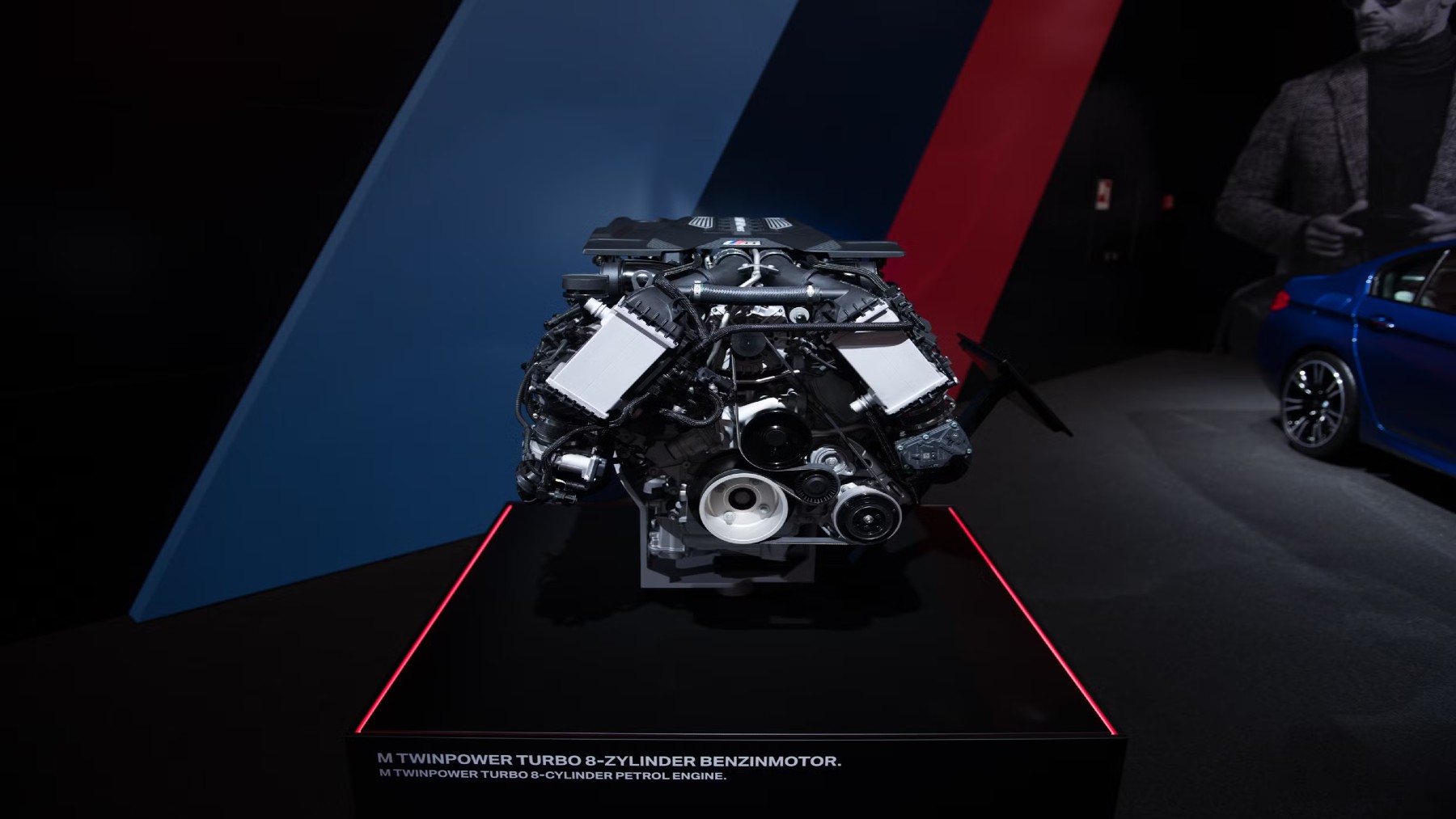
In the age of renewable energy innovation, it may seem surprising when automobile companies like BMW continue to announce new internal combustion engine projects. Alternative engine solutions have continued to grow in popularity and presence on the road, highlighting a growing shift towards carbon-neutrality. However, it is important to remember that these engines are still far from being dominant on the road, and until there is greater accessibility and infrastructure to support these engines, the internal combustion engine will continue to maintain dominance.
Continued dominance of the internal combustion engine
Despite the potential alternative engines hold, particularly the electrical engine, automobile companies need to continue to be realistic about the constraints of widespread adoption of alternative engines over the traditional internal combustion engine. Electric vehicles still remain very expensive to produce, meaning they are expensive to sell to consumers. Additionally, the infrastructure to charge and support these vehicles is nowhere near the level of infrastructure to support the internal combustion engine.
While there has been increased progress in consumers switching to more renewable engine solutions, global adoption remains somewhat stagnant and slow. While some countries show increased adoption compared to others, automobile manufacturers need to find a balance between alternative engine outputs and consumer demand for the continued use of the internal combustion engine.
New ICE patent from BMW
Last year, BMW filed a patent for a new generation of internal combustion engines. This new generation is set to be included in the upcoming 2026 G65 X5 model, as well as additional models going forward. According to reports, this new generation of internal combustion engines is set to be more efficient than ever before,
The technology comprises pre-chamber combustion technology. This type of innovation was historically used in diesel engines until the 1980s in order to improve low-speed combustion efficiency, lower engine noise, and guarantee smoother operation. This idea has now been revived in BMW’s latest patent, but it has been significantly modified to fit contemporary petrol engines. BMW has yet to comment on the recently filed patent.
BMW continues to advance electric technology despite declining development in the sector
Despite the recently filed internal combustion patent, BMW maintains a commitment to its alternative engine developments, particularly concerning electrification. The company recently offloaded its first electric engine at its new Steyr plant in Upper Austria. It is the largest engine plant to date for BMW, and is set to be the home of their electric engine production.
“We’ve been delivering these engines to our development department in Munich since September, and now we’re sending them directly to BMW Group Plant Debrecen for test vehicle installation,” said Klaus von Moltke, Senior Vice President of Engine Production at BMW AG and Managing Director of BMW Group Plant Steyr.
While electrical engine technology is BMW’s main focus when it comes to alternative engine solutions, they have also been keeping an eye on the rising influence of hydrogen technology. BMW reportedly will be releasing its first vehicle with a hydrogen-powered drive in 2028, highlighting how the German company is maintaining diversity in its alternative engine innovations.
While hydrogen is growing in popularity, the electric engine is coming out to be the clear favorite among automobile developers. BMW’s own hybrid and electric vehicle lineup includes popular models such as the BMW iX, BMW i7, and BMW i3. The new Steyr plant also highlights a recognition that these electrical solutions are the way forward for the automobile industry, and that BMW is committed to being a leader in the transition towards more renewable solutions to achieve a carbon-neutral world. BMW plans on reducing its CO2 levels by 40 million tonnes by 2030 compared to 2019 levels.