In an age where climate concerns are becoming the primary concern within the automobile world and the transportation sector, BMW has made a surprise move. To address the imminent irreversible effects of climate change, automobile innovators and developers have been investigating myriad alternative engine solutions to offer consumers as they pledge towards carbon-neutrality. However, the internal combustion engine is not going anywhere, and automobile developers are continuing to invest and advance this technology.
The electric engine takes the world by storm
As part of sustainable and alternative engine solutions and initiatives, the electrical engine has become the force that many automobile companies have placed their bets on in terms of revolutionizing their engine offerings. Today, nearly every major automobile company offers some form of an alternative engine in their lineup, with the electric engine being the mode of choice.
Despite the electrical engine being the most common alternative engine seen on the road, internal combustion engines still account for a significant portion of all vehicle sales and presence in the US and around the world. However, the internal combustion engine is gradually beginning to decline as more nations create sustainability regulations and infrastructure to promote renewable developments.
Norway, for example, is well on its way to leaving the internal combustion engine behind entirely, with last year seeing 89% of all its new vehicle sales being fully electric vehicles. The government has stated that it hopes for this number to rise to 100% by the end of this year.
“It’s our goal to see that it’s always a good and viable choice, to choose zero emission,” says Norway’s Deputy Transport Minister, Cecilie Knibe Kroglund to the BBC in January of this year
While Norway has become a beacon of hope to the rest of the world in terms of what a world without the internal combustion engine could look like, automobile developers are not slowing production anytime soon.
BMW unveils new cylinder‑less rotary reactor patent
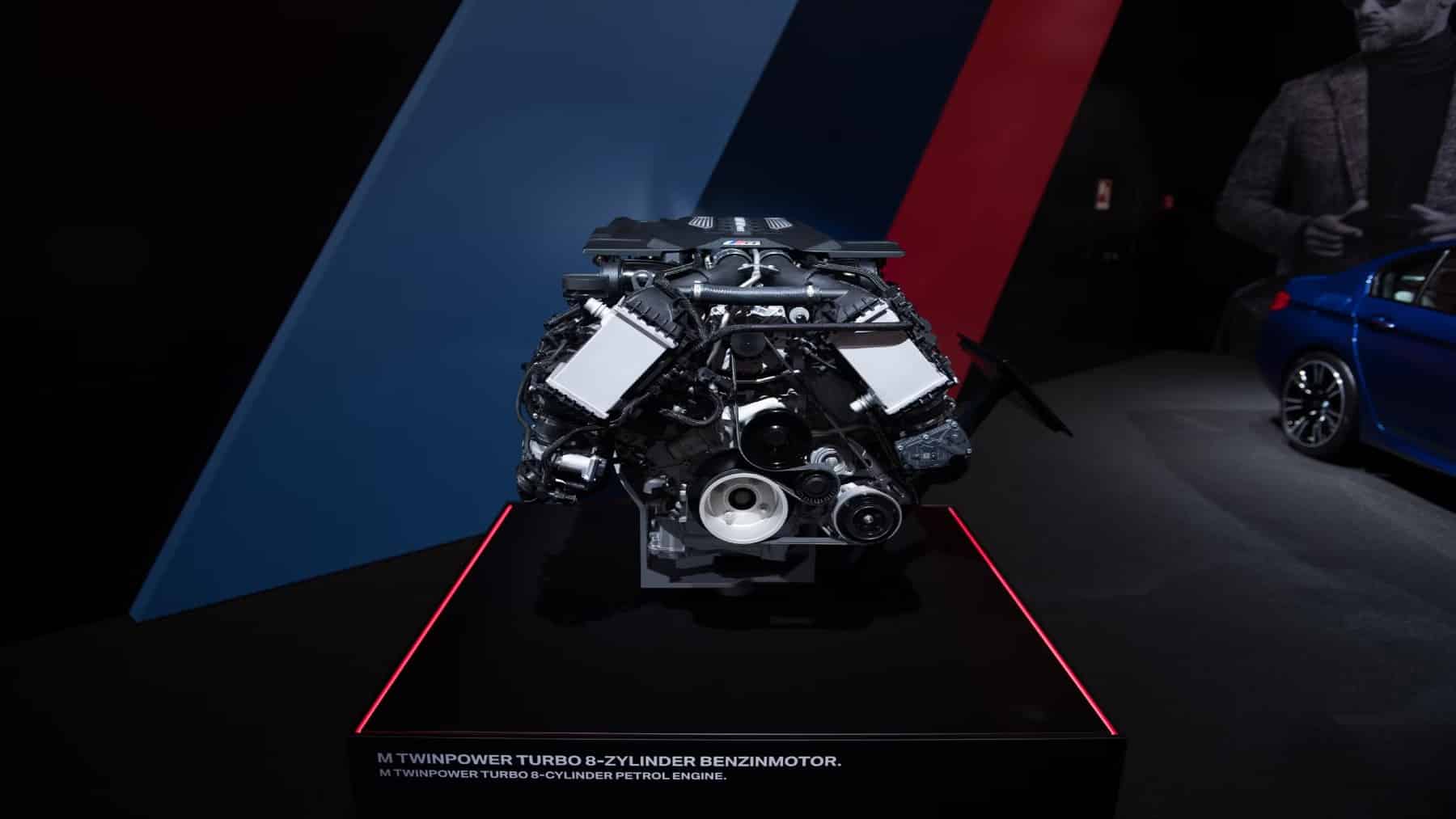
Last year, amidst pressing concerns for the future of the climate, German automobile manufacturer and developer BMW unveiled a new patent for an engine that is set to define a new generation of internal combustion engines.
“This new tech aims not only to improve fuel consumption but also reducing emissions and increases engine power…The new combustion technology is versatile and can be adapted to various engine sizes, from small three-cylinder engines to large V8s. This flexibility means that BMW could potentially integrate this technology across a wide range of its gasoline engines…” describes Horatiu Boeriu for BMWBlog on August 6, 2024
While BMW’s decision to release a new generation of internal combustion engines may come as a surprise to consumers, the reality is that consumers are not yet ready to discard the internal combustion engine entirely just yet. While alternative engine solution purchases are on the rise and internal combustion vehicle engine sales are slowly falling, automobile companies need to continue to balance the demands of the current market while also working towards sustainable solutions.
Could hydrogen engines be the future?
While most engine developers are choosing the electrical engine as their vehicle of choice when it comes to alternative engine solutions, others are exploring other solutions in order to diversify their model offerings and to fill the gaps in the transportation industry where electrical engines fall short.
Hydrogen engine technology is one such piece of innovation that has been singled out as a viable complement to electrical engine technology. From innovative hybrid passenger vehicle designs to engine prototypes to be used in the aviation industry, a future which will see carbon neutrality may very well be one where we see electrical and hydrogen engine technology working together within the transportation industry to reduce emissions and create a sustainable world.
Disclaimer: Our coverage of events affecting companies is purely informative and descriptive. Under no circumstances does it seek to promote an opinion or create a trend, nor can it be taken as investment advice or a recommendation of any kind.