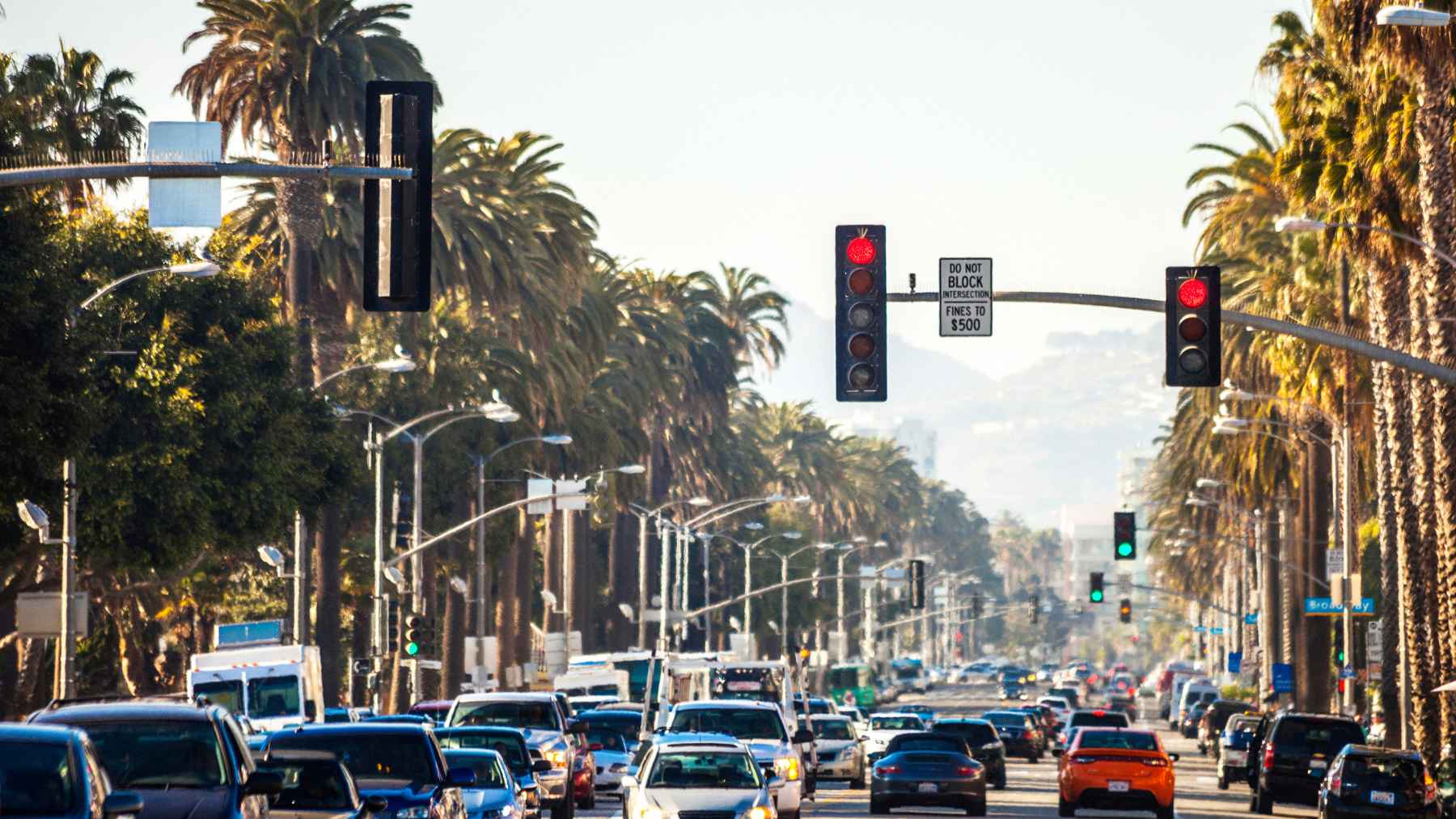
Traffic is becoming an increasing problem across the nation. As population growth and urbanization continue, the strain on roadways has led to longer commutes, increased pollution, and higher stress levels for drivers. Solutions are urgently needed to address this growing problem, including improvements to infrastructure, better public transportation options, and policy changes. Florida is one such state where residents are struggling with traffic
Concerns in Florida’s Palm Beach County
Palm Beach County commissioners have approved plans for GL Homes’ 12th Valencia community, a luxurious 481-unit development located west of Boynton Beach despite ongoing concerns about the potential traffic impact on the already congested Lyons Road. The approval comes at a time when the county is grappling with increased development in the area, which raises questions about the strain on local infrastructure on roads that are already heavily traveled.
While the new community promises to bring more upscale housing options, it also highlights the growing tension between development and the need for improved transportation planning. With the area’s roadways struggling to accommodate current traffic volumes, local officials will need to consider how to address these concerns, with possible solutions lying in enhanced road expansions or alternative transportation solutions, to prevent further gridlock.
County Mayor expresses concern for the development
On Thursday, Oct. 24, County Mayor Maria Sachs unsuccessfully urged her colleagues to delay approval of the project until Lyons Road is expanded from two to four lanes. However, this road widening won’t be completed until at least late 2026, and given the history of delays in road projects, this has become a source of frustration for commissioners.
“We are going to have all this traffic going onto a road that the applicant’s own traffic expert says is deficient,” Sachs said last month when the county commission was considering GL Homes’ 12th luxury residential community in the area. “Give us the time to build the infrastructure. This is not good for the people.” Florida law outlined in Chapter 163.3180 (5) (h) provides flexibility to developers in counties with established comprehensive land use policies, such as Palm Beach County. Hence, Sach’s pleas were not met.
Brian Seymour, an attorney for GL Homes, cited state law regarding traffic issues, stating that it is the responsibility of public entities, not the developer, to address traffic deficiencies. “I reject the idea that we have no discretion,” countered Sachs. “Otherwise, why are we here? We need to take a pause. Let’s approve this at the right time, and that is not now. If the state wants to sue me, they know where to find me.”
Traffic concerns continue to clash with developers
Traffic concerns are increasingly clashing with developers as communities expand and new projects are approved. While developers push for new residential, commercial, and mixed-use developments to meet growing demand, local residents and officials often raise alarms about the strain these projects place on already congested roads. In many cases, developers argue that they are not responsible for improving local infrastructure, citing state laws that shift the responsibility to public entities.
However, without adequate road upgrades, traffic congestion only worsens, leading to frustration among commuters and residents. This ongoing tension highlights the need for better coordination between developers, local governments, and transportation planners to ensure that new growth doesn’t come at the expense of mobility and quality of life.
With the upcoming festive season, congestion is bound to get worse with the general Florida state being a prime destination for Americans to escape the winter or visit retired family members. The influx of seasonal visitors, combined with local traffic, creates a perfect storm for overcrowded roadways, particularly in popular tourist areas and retirement communities. As more people travel to the state for holidays, events, and vacations, residents and tourists alike will face longer commutes, slower traffic, and increased strain on public transportation systems.