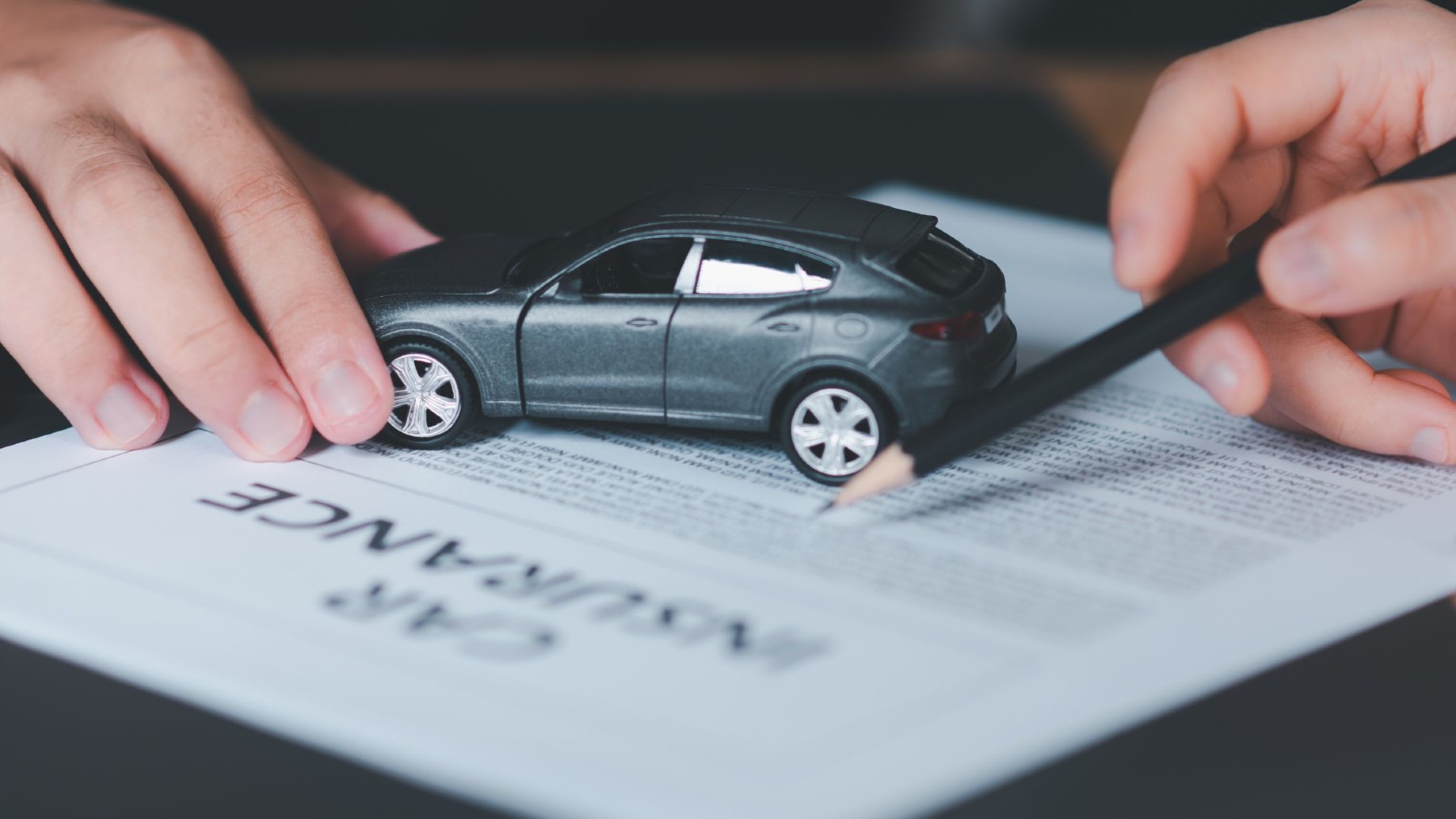
The importance of car insurance
Having car insurance is essential for protecting both yourself and others on the road. It provides financial coverage in the event of an accident whether it’s damage to your vehicle, medical expenses, or liability for damages to other people’s property. Car insurance helps mitigate the potentially high costs associated with accidents, theft, or natural disasters, offering peace of mind knowing that you are financially protected.
Additionally, in many places, having car insurance is a legal requirement, ensuring that all drivers are accountable for their actions and can cover damages in case of an incident. Car insurance is a vital safeguard that helps manage risks and prevent financial hardship. However, the high cost of it is making it harder for people to want to purchase it which is putting drivers’ financial circumstances at risk in the case of an accident.
Inflation and weather are key reasons for increased insurance rates
Some financial experts say that the increase in insurance rates not just in Texas but nationwide can be accounted for rising inflation rates as well as increased extreme weather. As inflation drives up the cost of goods and services, insurance companies face higher expenses when settling claims, particularly for repairs and replacements.
As we continue to mitigate climate change, more severe weather such as hurricanes, floods, and wildfires, have led to a higher volume of claims and greater risks for insurers. This has prompted many companies to raise premiums to cover the escalating costs of damage and recovery efforts. As a result, consumers are feeling the financial impact of both inflation and the growing unpredictability of climate-related events.
How to lower your car insurance costs
While insurance rates are on the rise, there are steps you can do to lower your rates. One key thing to do is to not go for the first offer you see. Spend time looking at all the options you have before making a choice. Before purchasing a new or used car, consider how the make will affect your insurance costs. Premiums depend on a variety of factors such as the car’s price, repair costs, safety ratings, and theft risk. Many insurers offer discounts for vehicles with features that reduce these risks.
In addition, you can ask for higher deductibles and reduce your coverage on your older vehicle. Building a strong credit history can help lower your insurance premiums, as most insurers use credit information to determine rates. Studies show that individuals who manage their credit well tend to file fewer claims. To maintain a good credit score, pay your bills on time, avoid unnecessary credit, and keep your balances low. Regularly check your credit report and promptly correct any errors to ensure your record remains accurate.
While car insurance can be expensive, it is an essential safeguard that offers crucial protection for both you and others on the road. Without it, you would be financially responsible for damages resulting from accidents, theft, or natural disasters, which can quickly lead to overwhelming costs. Car insurance helps cover repair expenses, medical bills, and legal fees in case of liability, ensuring that you aren’t burdened with a massive financial strain.
As the U.S. heads into a new presidential term, it will be interesting to see how cost-of-living changes with a new government in the oval office.