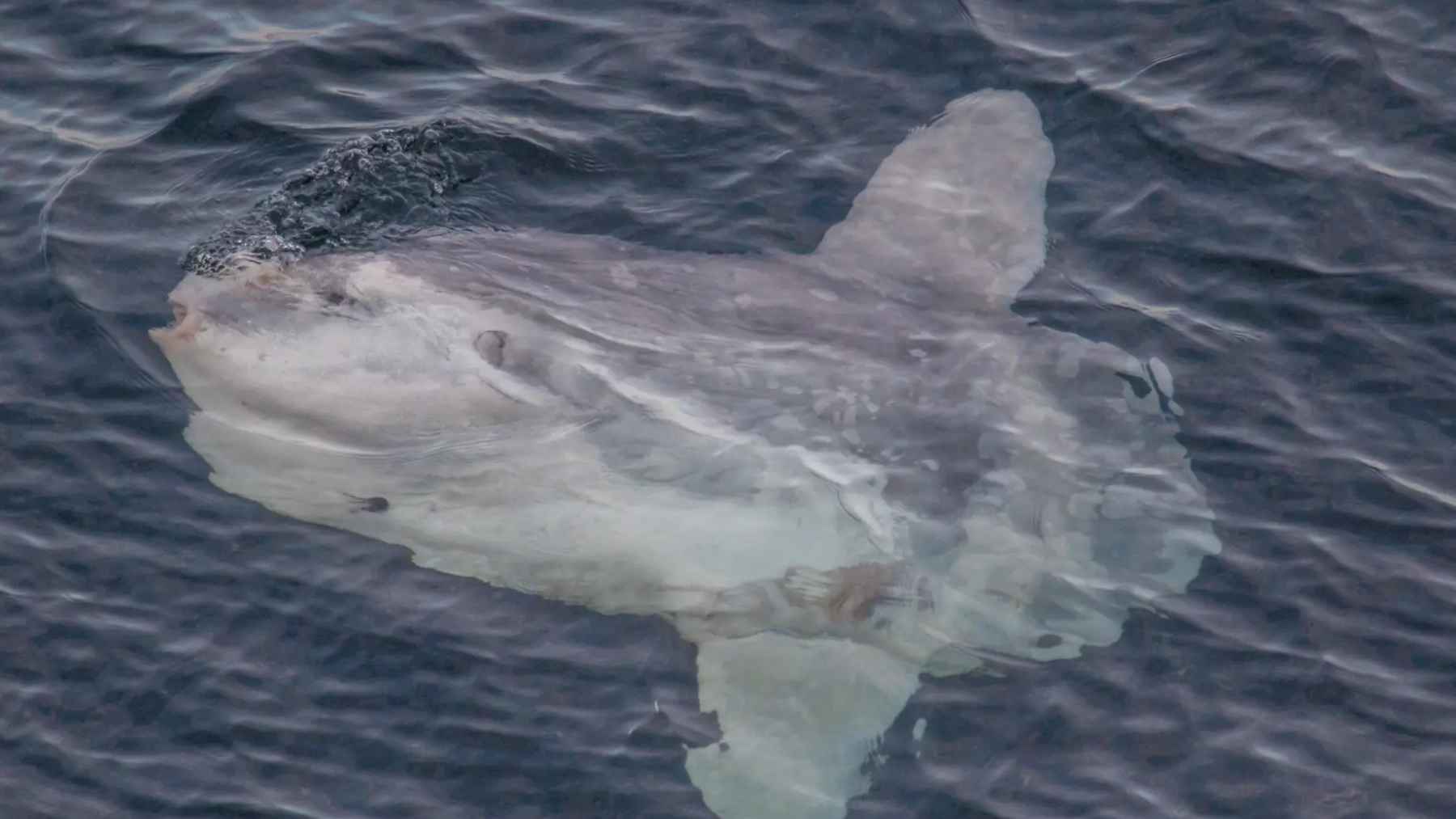
The scientific team discovered a giant iceberg within ocean waters measuring the same area as Chicago. The massive chunk of frozen water exists beyond its enormous size. This ancient life community discovery holds important scientific value to various research fields. Under the ice sheet, an underground ancient ecosystem exists, providing researchers exclusive access to organisms that survived countless millennial periods of isolation. A thorough explanation follows regarding this remarkable scientific discovery and its interpretations.
The magnificent iceberg spans an area identical to Chicago while moving across the ocean.
Scientists discovered the massive iceberg through satellite imagery, and they have performed comprehensive research into it. Its name is A-76. According to their measurements, scientists confirm A-76 at 1,668 square miles as one of the largest icebergs ever detected. A-76 is the same size as Chicago and is a major ice element within the Southern Ocean area.
Multiple research teams across different institutions have investigated the A-76 iceberg by observing its motion patterns while conducting structural studies. The Ronne Ice Shelf in Antarctic territory split off this gigantic iceberg, which produces notable icebergs worldwide. This natural iceberg event sparks questions about ice shelf stability while demonstrating the typical process of détachments from ice shelves.
Scientists research to discover an ice-buried ecosystem.
A-76 becomes notable because researchers discovered ancient endemic life beneath its glacial coating. The iceberg contains a distinct ancient biological ecosystem since scientists found preserved life forms that have been isolated for very long periods. The entire ecosystem contains different microbial organisms that survive harsh environmental conditions.
Advanced deep-sea exploration tools made the examination of underwater locations possible. Special submersible vehicles, together with camera systems and sampling instruments, provided the means to study hidden underwater sections of the iceberg. The explorations revealed various microorganisms, including possible ancient survival remnants that predated the appearance of modern species.
Scientists gained significant information about Earth’s climate change and evolutionary processes.
This ancient life community discovery holds important scientific value to various research fields. It provides scientists with special access to ancient life that has remained unchanged since the time of evolution. These findings supply vital information about Earth’s life transformation and the environmental conditions that enabled organisms to survive in such harsh locales.
The scientific discoveries suggest new ways to understand climate change effects on polar areas and their total contribution to Earth’s climate and biological evolution. The existence of ice shelves and their corresponding ecosystems depends directly on worldwide climate conditions. Scientists can learn about environmental changes and their effect on ecosystems by researching preserved ancient lifeforms from A-76.
This discovery could possibly serve as a sign toward possible extraterrestrial life detection.
Because of the A-76 discovery and its concealed ecosystem, research and exploration possibilities thrive. Scientists have prepared more research expeditions to investigate the iceberg and its living organisms in depth. The forthcoming missions will aim to gather more samples and execute genetic testing to classify the microorganisms discovered inside the iceberg.
Research scientists need to study how ancient living organisms adopted mechanisms that allowed them to survive harsh environmental conditions. Research on Ocean Mist 8 improves our capabilities to locate extraterrestrial organisms, especially in areas such as Europa’s icy surface and Saturn’s icy moon Enceladus. Such investigations into extremophiles produce evidence about potential extraterrestrial life detection.
Scientists have made an exceptional discovery by finding the vast iceberg A-76, which holds an ancient underwater ecosystem larger than Chicago. Operational systems have highlighted both the amazing aspects of polar regions while showing the essential need for sustained exploration and scientific research efforts. Advanced deep-sea exploration tools made the examination of underwater locations possible. Scientists exploring A-76 will gain critical insights into Earth’s historical events while understanding climate change effects on planetary extremes.