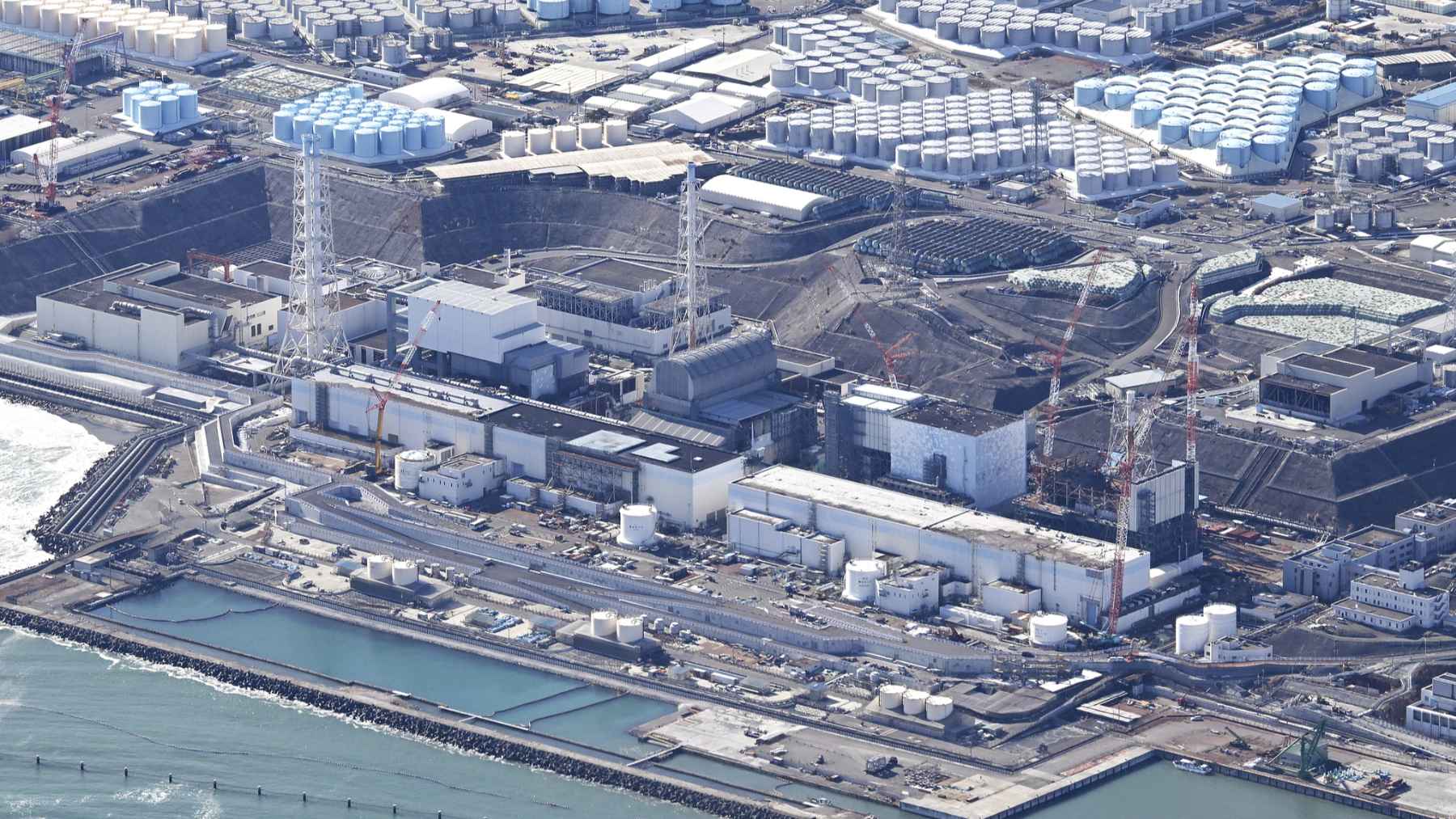
In the past year, the engineers working at the Shidaowan nuclear power plant in China pushed the boundaries of their new reactor by turning off its cooling pump. While in a regular power plant this would be catastrophic. In contrast, thanks to the unusual design of Shidaowan, such severe consequences as a core meltdown were avoided, which is a breakthrough in the attitude towards nuclear power and the achievements of 4th generation reactor development.
Shidaowan: A revolutionary leap forward for the fourth generation of nuclear power
Shidaowan is an excellent illustration of the capabilities of the new generation reactors – the safety and efficiency are higher than with the reactors that have been in use already. It does not use the typical fuel rods, but rather pebbles, spheres of uranium the size of tennis balls, hermetically sealed within heat resistant materials.
This revolutionary invention prevents the core from experiencing excessive heat that may result in melting and guarantees improved performance in possible crisis situations. Many designs of the fourth generation exist around the world and are still in the active phase of development.
However, only in China this generation was built and is currently operating on a commercial base. Shidaowan, which went online in December, has already proved that the next generation reactors are capable of what they have been designed for. Experts like MIT’s Jacopo Buongiorno note that this endeavor also demonstrates how China is at the forefront of nuclear technology development due to the supportive government logistics and supply chains in place.
China’s nuclear strategy: Tackling or reducing carbon footprint and over relying on clean energy sources
The nuclear strategy of China corresponds to its quest for less dependency on fossil fuel imports and general low-carbon development. While wind and solar energy are expanding tremendously, their reliable use is hampered by the issue of intermittence.
Nuclear energy, on the other hand, is steady in its energy provision which suits the country base load requirement making it effective in replacing coal-fired energy plants. Presently approximately, five percent of China’s energy generation mix comes from nuclear power.
By twenty sixty, the figure is expected to grow to eighteen percent in which fourth generation reactors will be of immense significance. These reactors are not only cleaner but can also provide high-temperature heat for industrial processes, having an extra advantage in chemical application. A plant recently approved in Jiangsu province will aim to put this into practice.
China is leading the way in nuclear technology: Transitioning from fission to fusion
Fission reactors are the most common type of nuclear reactors in use today. However, China is progressing with nuclear fusion technology, which holds the ability to emulate the sun’s generation of energy, – another kind of nuclear energy. It generates great deal of energy with waste that is close to non – existent. And it doesn’t use uranium at all – a raw material so precious that China does not mine but has to buy. Chinese scientists are most active in this area.
They file more patents in this field than any country in the world. The aim of this project is to foster the people’s awareness of the prospects of fusion energy. To this day, there has still been no success in making any fusion device efficient enough to produce net energy. Now, however, those include fourth-generation reactors, such as Shidaowan.
The current advancements which are made in nuclear technology in China are changing the tides in the energy sector. The nation is also extensively investing in the development of 4th generation reactors which are safer, more efficient and are gradually perfecting research on fusion.
Indeed, China is at the forefront of nuclear power evolution. This is even more important because as the country grows, it is bound to shift from dependent on coal and oil to more sustainable sources of energy concentrating on their leadership within this critical area there is no doubt that it will be a major force worldwide.