Plant more trees and the planet will thank us, right? A new wave of science is showing that things are not quite that simple, especially when forests and water are already living on the edge.
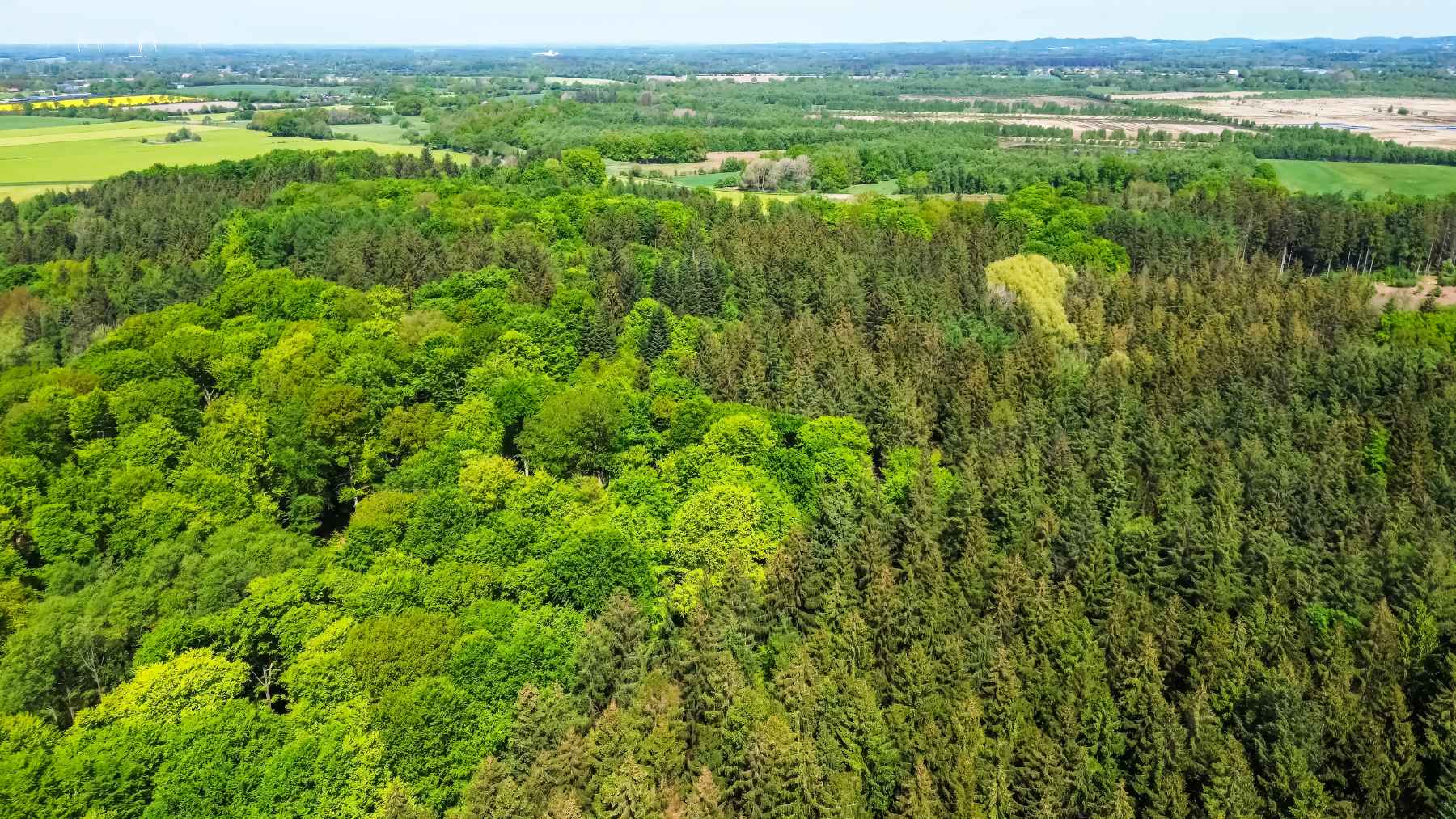
In northern China, the vast shelterbelts built to hold back the Gobi Desert have become a global symbol of environmental ambition. The country has added more than one hundred thousand square miles of new forest since the late 1970s and national forest cover has risen from about 10% in 1949 to roughly a quarter today.
But a recent peer-reviewed study in the journal Earth’s Future found that all this regreening has quietly reshuffled the nation’s water cycle. Increased vegetation boosted evaporation and plant transpiration, which in turn reduced water availability across both eastern monsoon regions and the already parched northwest, together covering about 74% of Chinese territory.
At the same time, more moisture is now falling over the Tibetan Plateau, which saw a net gain in freshwater. In other words, the water did not disappear. It simply moved, often away from farmers and cities that were already counting every drop that comes out of the kitchen tap.
Trees that drink like pumps
The Earth’s Future team, which includes researchers from China Agricultural University, Tianjin University and Utrecht University, tracked land cover changes across China between 2001 and 2020. Their model shows that land restoration increased evapotranspiration by around 1.7 millimeters per year and precipitation by about 1.2 millimeters per year, yet overall water availability still went down.
The main driver was forest expansion in the humid east and large-scale restoration in the northwest and on the plateau. As deep-rooted trees pull water from the soil and release it into the air, they act a bit like giant pumps. The process cools the local surface but also ships moisture downwind, where it can fall as rain far from the place where it was originally stored.
Other studies in northwest China reach a similar conclusion. Vegetation greening, much of it tied to plantations and shelterbelts, is linked to declining underground water storage in several arid and semi-arid basins.
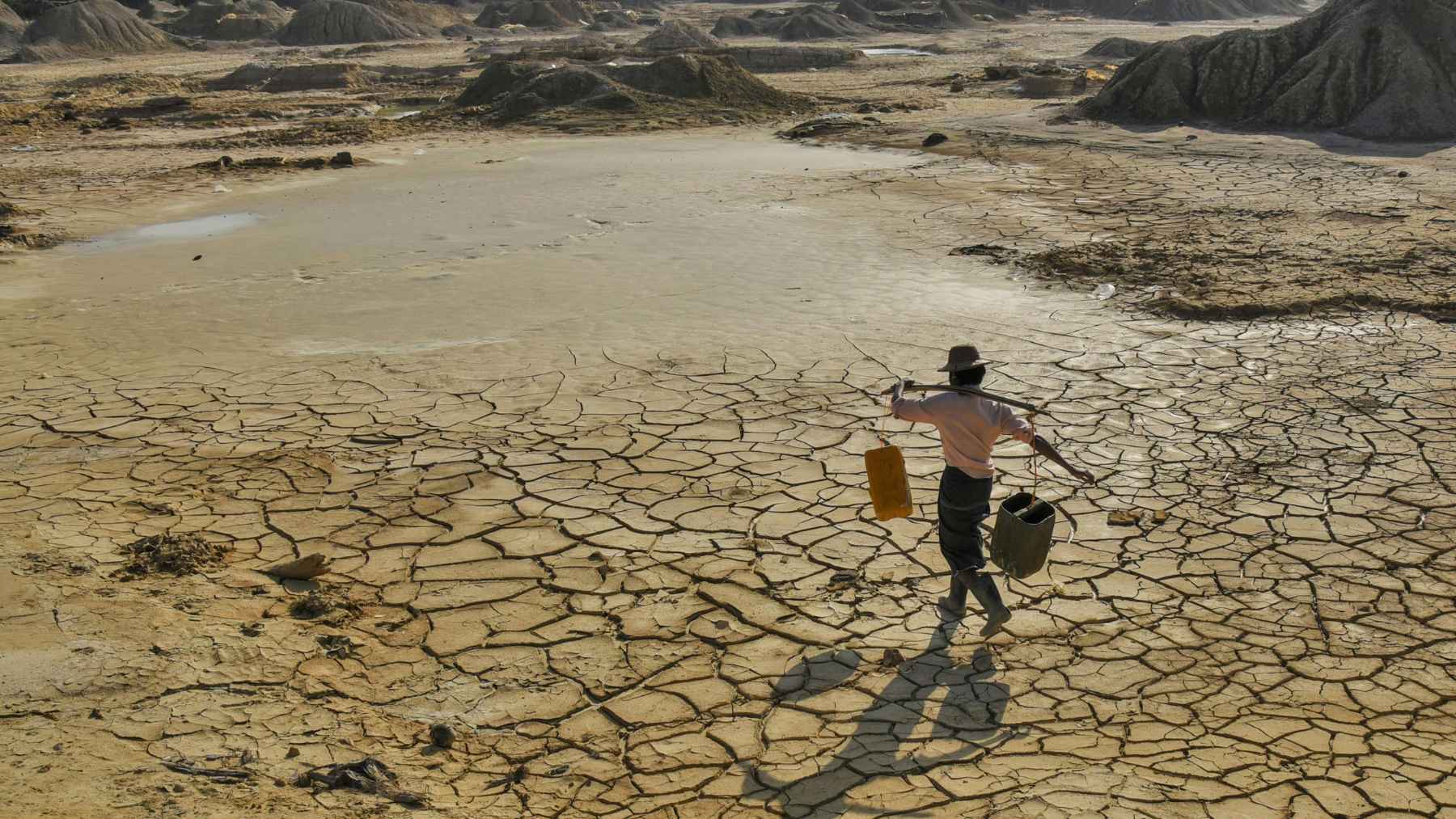
For communities on the ground, the physics shows up in very ordinary ways. Wells that used to last through the dry season run low more often. Irrigation pumps stay on longer and electric bills climb. A greener satellite image can hide a much drier reality.
When a forest is built for speed, not for place
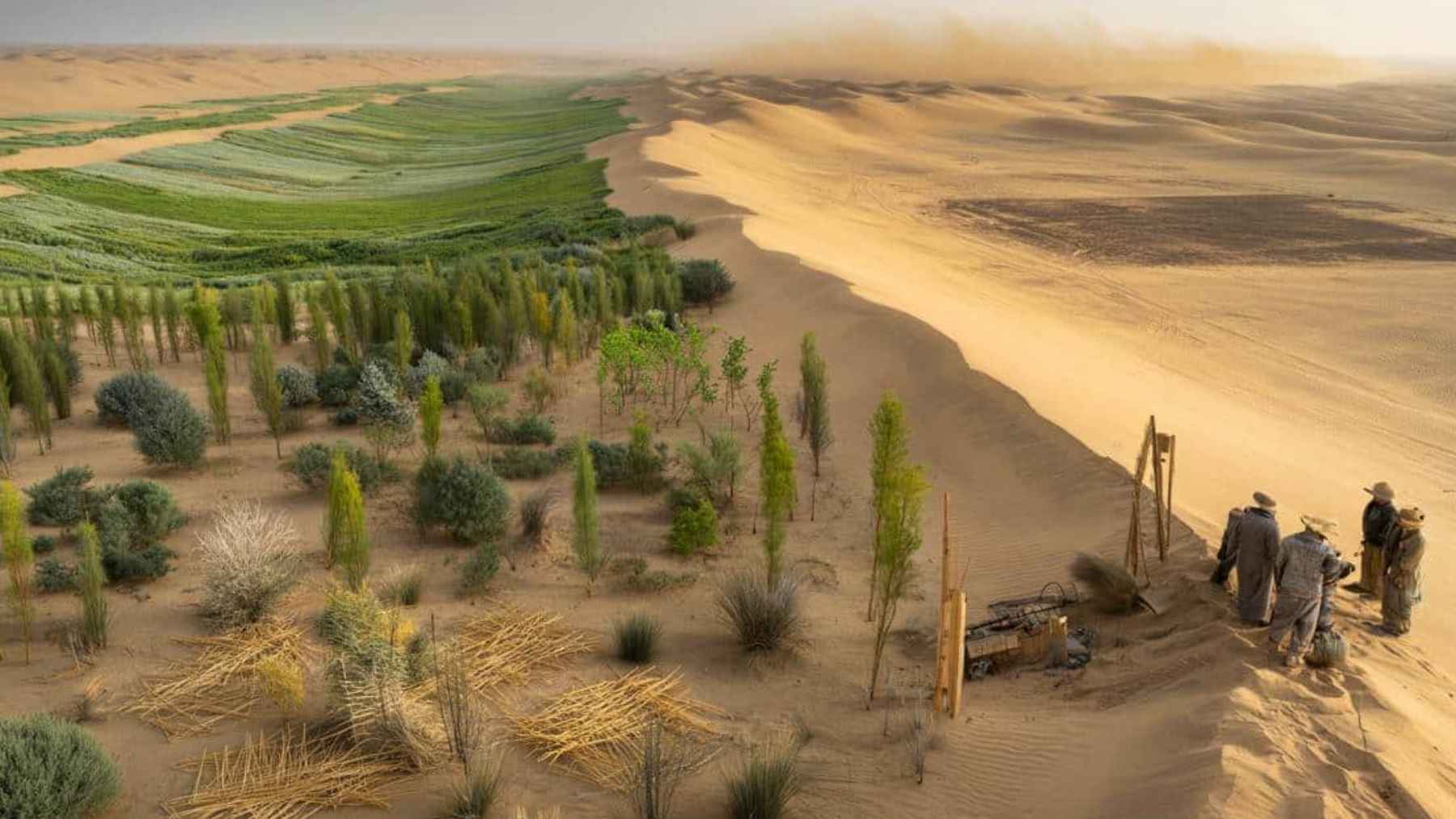
China’s Three North Shelterbelt, often called the Great Green Wall of China, was designed to stop dust storms and protect farmland. To a large extent it did help tame drifting sand. But in many zones the project relied on fast-growing, water-hungry species such as poplars, planted in dense lines that behave more like monoculture plantations than natural forests. Research on these poplar belts shows that they can strongly alter soil water and require careful management to avoid long-term drying.
Critics in China now warn that treating dry grasslands as blank canvases for trees can weaken ecosystems instead of healing them. When thirsty species are planted in bulk, they can compete with crops and towns for the same limited groundwater. The new Earth’s Future paper speaks in unusually plain language for an academic journal, noting that “land cover changes can redistribute water resources between regions” and urging policymakers to factor moisture recycling into future restoration plans. So what does this have to do with Africa’s fight against desertification?
Africa’s Great Green Wall chooses a mosaic
On the other side of the world, the Great Green Wall for the Sahara and the Sahel started with a similar big idea. The plan, endorsed by the African Union in 2007, originally imagined a continuous band of trees stretching about eight thousand kilometers from Senegal to Djibouti.
Over time, that vision has shifted. Lessons from projects like China’s green wall and Algeria’s Green Dam pushed African leaders and international partners such as the Food and Agriculture Organization of the United Nations and the United Nations Convention to Combat Desertification toward a different model. Today the Great Green Wall is officially described as a “mosaic of green and productive landscapes,” not a solid line of trees.
In practical terms, that means a patchwork of assisted natural regeneration, smallholder agroforestry, rainwater harvesting, pasture management and restoration of native shrubs and grasses across the Sahel. The initiative still carries huge numerical targets, including restoring 100 million hectares of degraded land, sequestering 250 million tons of carbon and creating 10 million green jobs by 2030.
Progress is uneven and slower than hoped. A status report prepared for UNCCD estimated that by 2020 only a fraction of the original goal had been met, with roughly 18 million hectares restored and about 350,000 jobs created. Security crises and patchy funding remain serious obstacles. Even so, many local projects in Niger, Senegal, Ethiopia and beyond are showing that landscapes can be revived while farmers still grow food and herd animals on the same land.
Planting for water, not just for carbon
Taken together, the two “green walls” tell a simple story with complicated details. Planting trees at scale can slow desert winds, store carbon and create jobs. It can also dry out soils, shift rainfall away from vulnerable regions and make life harder for communities if water is not part of the design from day one.
For future restoration projects, scientists increasingly recommend a few basic guardrails. Choose species that are native or well adapted to local rainfall. Protect and expand existing vegetation instead of replacing it with thirsty monocultures. Use hydrological models before planting to check how new forests will affect groundwater and downwind rain. And make sure local residents, who know every bend of the river and every cracked well, help decide what goes where.
At the end of the day, a successful green wall is not only measured in tree counts. It is also measured in water in the aquifers, crops in the field and whether young people see a future in the villages behind those new forests. A greener map is not enough if the land underneath is getting drier.
The study on China’s changing water cycle and land cover was published in Earth’s Future.