Forget the old joke about cannabis frying your brain. A large new study of more than 26,000 adults over 40 has found that people who reported using cannabis in their lifetime tended to have larger volumes in several brain regions and scored better on tests of memory and thinking than nonusers.
The work, led by clinical psychologist Anika Guha at the University of Colorado Anschutz Medical Campus, used brain scans and cognitive tests from the long-running UK Biobank project.
The results challenge the idea that cannabis always harms thinking in later life, although the researchers stress that the picture is complicated and that the study does not prove cause and effect.
What the study found in aging brains
Researchers grouped 26,362 adults between 40 and 77 years old into no-use, moderate-use, and high-use categories based on how many times they said they had used cannabis over their lives.
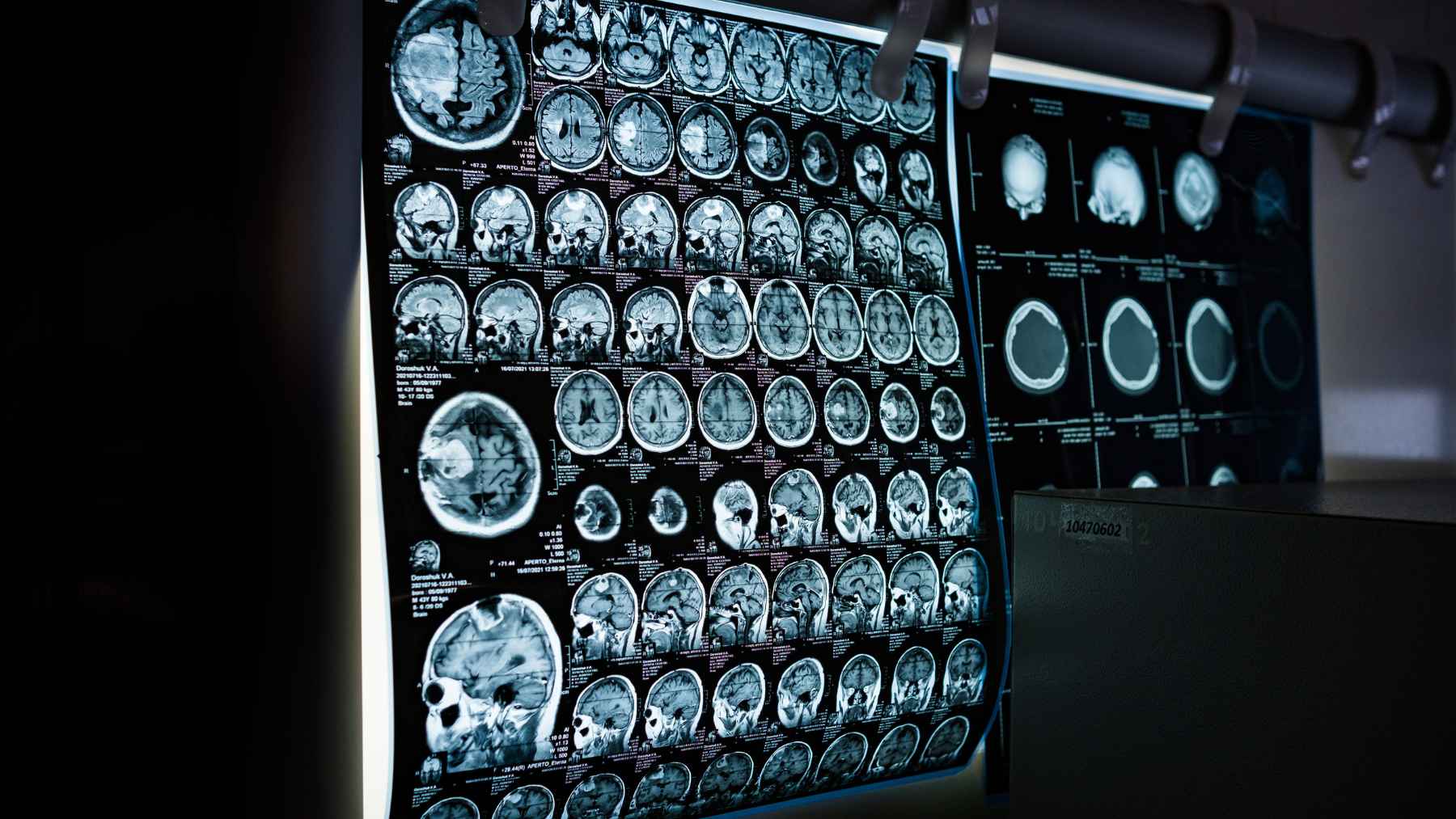
On average, people in the moderate use group showed larger volumes in several brain regions that are rich in cannabinoid receptors, including areas involved in movement, emotion, and memory.
On thinking tests that looked at learning, short-term memory, processing speed, attention, and executive function, cannabis users usually performed better than people who had never used the drug, at least in the measures where there was a clear difference.
For many outcomes, moderate users came out ahead, although heavy users scored highest on a few measures such as visual learning and the volume of the right amygdala, a region linked to emotion and memory.
The news was not entirely positive. One part of the brain called the posterior cingulate showed lower volume with higher cannabis use, hinting that some regions may be affected in the opposite direction.
Some earlier research has tied smaller volume in that area to better working memory, so it is not yet clear whether this particular change is harmful, helpful, or simply different.
Inside the research
The team relied on data from UK Biobank, a massive health project that has followed about half a million volunteers in the United Kingdom and includes brain imaging and detailed lifestyle information.
Participants in this analysis had structural brain scans and took computer-based cognitive tests, while also answering questions about how often they had used cannabis across their lifetime.
Instead of looking only at total brain size, the researchers focused on individual structures such as the hippocampus, amygdala, caudate, and putamen, which are known to shrink with age.
In general, larger volumes in these regions went together with better test performance, so preserving size there may reflect a brain that is holding up better against the usual wear and tear of getting older.
They also examined whether effects differed between men and women. The data did not show a simple pattern where one sex always benefited more, yet there were meaningful differences across several brain regions and thinking measures, which suggests that biological sex and hormones may shape how the endocannabinoid system responds to cannabis over time.
Why bigger brain volume is not a free pass
Even with eye-catching results, this study cannot say that cannabis use caused healthier brains. People were not randomly assigned to use or avoid cannabis, so other factors like education, income, overall health, or alcohol use could help explain the patterns that showed up in scans and tests.
The dataset also did not include details that matter in real life, such as whether people used products high in THC, CBD, or both, how strong those products were, or whether they were smoked, vaped, or eaten.
Most participants reported using cannabis many years ago, when typical strengths were lower than today, so the findings may not match what happens with modern high-potency concentrates.
Dose also seems to matter. Moderate use was often linked to the best balance of brain volume and cognitive scores, hinting at a possible sweet spot, while heavy use showed mixed results depending on the specific region or test. As lead author Guha put it, “The main takeaway is that the story is nuanced. It is not a case of cannabis being all good or all bad.”
What it could mean for aging and dementia
Anyone who has walked into a room and forgotten why knows that small slips in memory become more common with age. Scientists know that as people grow older, many brain regions slowly lose volume, and that this shrinkage is often tied to slower thinking and higher risk of dementia.
In this study, older adults who had used cannabis tended to have larger volumes in regions such as the hippocampus, which plays a central role in forming new memories and is one of the first areas hit in Alzheimer-type diseases.
If those findings hold up, cannabis or related compounds might one day play a role in strategies that aim to protect the aging brain, at least for some people and doses.
The authors suggest that the endocannabinoid system, which helps regulate inflammation, immune responses, and brain cell survival, could partly explain the pattern. Still, that idea needs direct testing in clinical trials before anyone can claim that cannabis prevents memory loss or dementia.
What comes next in cannabis and brain research
Guha’s group is already analyzing how cannabis use relates to brain connectivity, which looks at how different regions communicate with each other, rather than just how large they are. Early data hint that functional networks may also differ in older adults who have used cannabis compared with those who have not.
The team is also beginning to study psilocybin, the active compound in some psychedelic mushrooms, and how it might interact with brain health over the lifespan. As more older adults turn to cannabis for problems like chronic pain or sleep, researchers say it is crucial to understand both the potential benefits and the risks, so that public health advice and policy can keep up with everyday use.
For now, the findings suggest that occasional or moderate cannabis use in midlife and beyond is unlikely to be the memory killer many people fear, and it may even be linked to healthier looking brains in some respects.
At the same time, experts warn that anyone considering cannabis, especially those with other medical conditions or medications, should talk with a health professional rather than treating this study as a green light on its own.
The main study has been published in the Journal of Studies on Alcohol and Drugs.