In the ongoing quest for more efficient and environmentally friendly engines, the Avadi rotational combustion engine has gone against the grain. The new traditional internal combustion engine aims to revolutionize internal combustion technology. With the automotive industry facing increasing pressure to reduce emissions and enhance fuel efficiency, innovative solutions like the Avadi engine are garnering attention for their potential to provide intermediate solutions as the automobile industry goes green.
A new approach to traditional technology
It may seem to be a counterproductive move from Avadi to announced a new internal combustion engine i the wake of the increasing demand for green energy. Engine developers and automobile companies are increasing their efforts to offer alternative fuel source vehicles. While electric vehicles have dominated the sustainable vehicle portfolio, expanding interest is being seen in hydrogen and biofuel technology.
However, internal combustion engines remain the most popular engine on the road and dominate any alternative fuel source vehicles. However, the Avadi engine may point towards how we should adapt internal combustion engines as an intermediate step as we move towards more sustainable fuel sources. Traditional internal combustion engines operate on a reciprocating mechanism, where pistons move back and forth to generate power. Current designs are complex and lead to maintenance challenges, and energy losses.
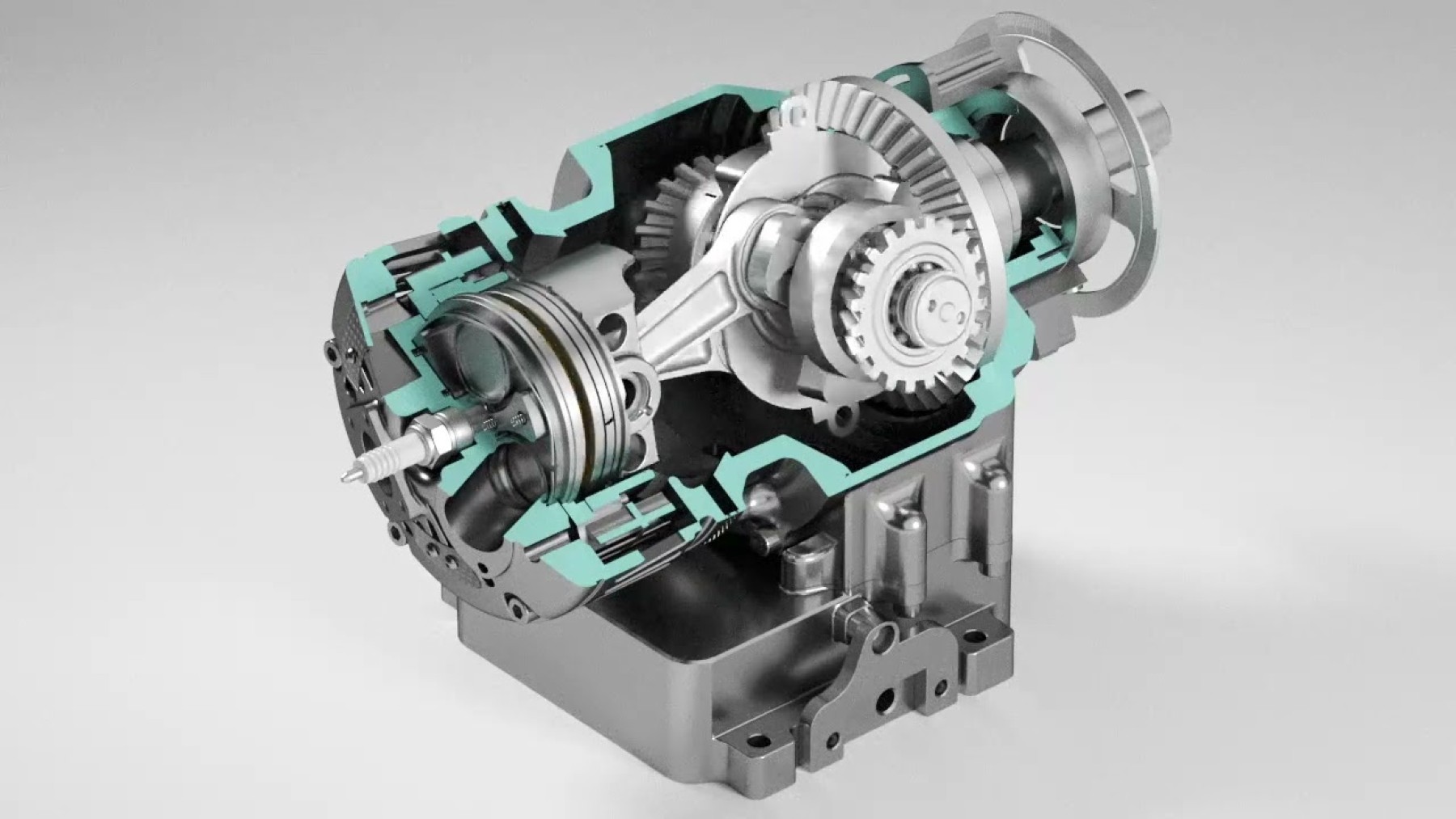
In contrast, the Avadi engine utilizes a unique rotational mechanism, significantly simplifying the design and reducing the number of moving parts. The engine has reportedly been in development since 2015. The majority of the standard engine internals have been eliminated within the engine to produce an incredibly light body of 50 pounds. It boasts 16 horsepower and claims a 42.12% brake thermal efficiency. The engine is powerful, efficient, light, and next-generational.
The engine may never see the light of day
Despite the efficient technology Avadi has implemented into the design, the engine may never actually reach the market. CTO Michel Arseneau, who first designed the engine 20 years ago, has stepped down from the role as well as details emerging of a flaw in the engine’s valve design. Testing was meant to begin in January of 2024 but no such testing has occurred as of late as well as no additional updates on the prototype being released.
It may be for the better that Avadi does not invest in new internal combustion engines. The climate crisis is reaching a breaking point, and more investment into fossil-fueled technologies instead of renewable energy products may not be the wisest choice. There needs to be a radical shift in engines, and we are running out of time to implement only stepping stone technologies.
Recently, the EU announced that internal combustion engine cars may no longer be sold in Europe after 2035. As other countries and regions may follow suit with internal combustion engine laws. it would work better in engine developer interests to design engines which are not set to be phased out in the next ten years to ensure longevity of a brand.
The future of internal combustion engines?
It still remains to be seen what the definite future of internal combustion engines are. While some regions like the EU are making moves to phase them out entirely, other regions and countries may not be able to realistically make a radical change like this. For a country to support alternative fuel source vehicles, new infrastructure will need to be developed. This may be too big of a feat for some governments which lack the resources like the EU.
While a long-term trajectory suggests a decline in internal combustion engines, they are likely to adapt and coexist with emerging technologies in the near future. Innovations aimed at improving efficiency and reducing emissions will continue to play a critical role, even as the automotive industry shifts toward sustainability.