MIT scientists have developed a new method of producing hydrogen fuel to potentially transform the marine sector and create profitable, sustainable energy solutions, including using recycled aluminum, water, and coffee residues.
This approach solves two significant hydrogen storage and transportation issues and uses fundamental and readily available resources to produce clean energy. The possibilities do not end with maritime vessels; there is an excellent opportunity to cut CO2 emissions and develop a green economy by using this technology.
Innovative hydrogen generation process: How coffee grounds and aluminum create hydrogen efficiently
The MIT team operates on this premise, whereby used aluminum from soda cans and not more than a few metal alloys are immersed in seawater to produce a chemical reaction that yields hydrogen. This process is followed by adding washed coffee grounds to enhance the response rate, as shown below.
The researchers also discovered that caffeine has a component called imidazole, which they further identified as a component that plays a role in the H production rate. It makes the cycle sustainable because the salt ions in the seawater can reduce and precipitate the precious alloy used for the reaction to generate hydrogen, which can be reclaimed.
However, this idea can be of assistance not only in the possible creation of clean energy but also suggests one of the options for managing waste, for example, aluminum cans and coffee grounds, thereby indicating the further possibilities of pursuing sustainability in daily life.
Maritime operations and practical application: Transforming ships with on-the-spot hydrogen production
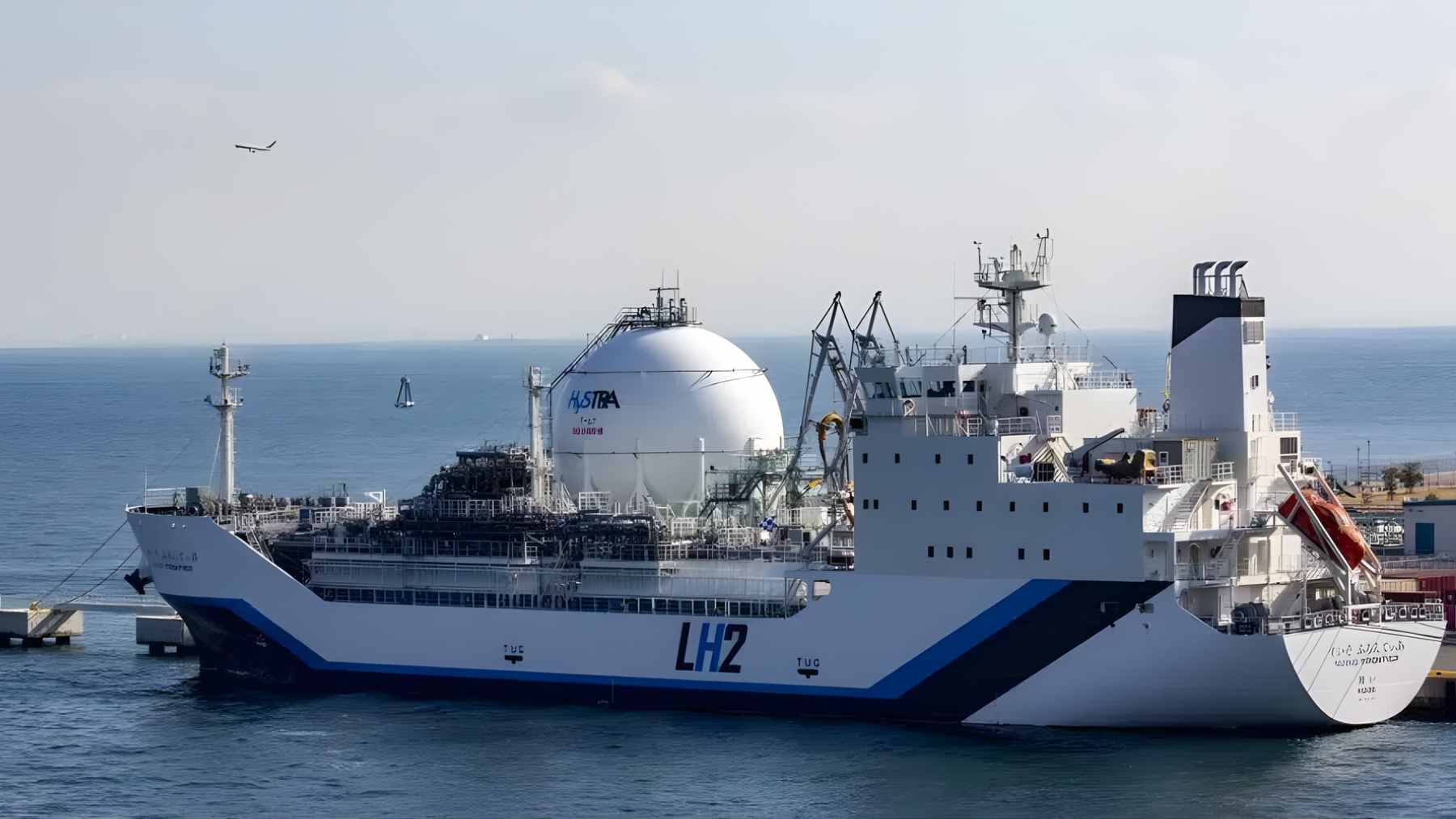
Its potential in maritime applications is exciting. Instead of transporting massive hydrogen tanks or relying on crude oil, the vessels could bring aluminum as the primary fuel source and then produce hydrogen, which can be extracted from seawater instantaneously. They plan to build a compact reactor that could be installed into ships or underwater vehicles.
This system would contain aluminum pellets, approximately 500 grams of gallium-indium alloy and caffeine that would regularly be mixed with salt water to produce hydrogen when required. This production process is also free from complicated hydrogen storage, and the ways to use solar power, wind power, and other clean energy to power ships and submarines are much more reasonable.
The environmental impact and sustainability: Cutting emissions with recycled materials and seawater
This new way of hydrogen generation has many advantages for the environment. It makes the process friendly since it cuts the use of fresh materials such as aluminum and freshwater but instead uses recycled ones and seawater. It makes the system relatively sustainable since the rare metal alloy can be recovered and reused.
Further, fuel cells that use hydrogen generate water only as the exhaust; thus, they are perceived to be cleaner than combustion vehicles. Applying this technology to transport could significantly decrease the carbon emissions the shipping industry produces, which is currently one of the largest carbon emitters.
MIT’s innovation paves the way for a greener maritime future
Therefore, the discovery of the Massachusetts Institute of Technology team in producing hydrogen fuel from recycled aluminum, seawater, and coffee grounds may be termed as finding a sensible solution to the future energy crisis. This idea effectively handles some of the main issues related to hydrogen production and storage as it utilizes readily available materials.
Maritime transport could be seen as a potential decarbonization solution, and it can help solve the problem of carbon emissions in shipping and other marine activities. While the authors conducted the study to develop and demonstrate its feasibility, this technology can be a significant enabler of the shift to renewable energy sources in future work.
It should be a valuable contribution to tackling climate change. This and other successful outcomes, pausing between a soda can and coffee grounds on the way to clean energy, as well as the consecutive qualitative growth of innovations, which unforeseeable combinations, deserve further examination of sustainable technologies in the future.