Air conditioning is everywhere in the United Arab Emirates. The country is covered in desert, and summer temperatures can hit 120°F (49°C). That kind of heat is unlivable, which is why the UAE and other countries in the Arab world depend on AC while indoors. With so much electricity used every day, it’s hard to imagine a sustainable energy future in Dubai or the whole UAE, but the country just turned on one of the most powerful nuclear generators on Earth to prove it can develop a greener solution.
The first fully functional nuclear power plant goes online in the UAE with a name that means “blessing”
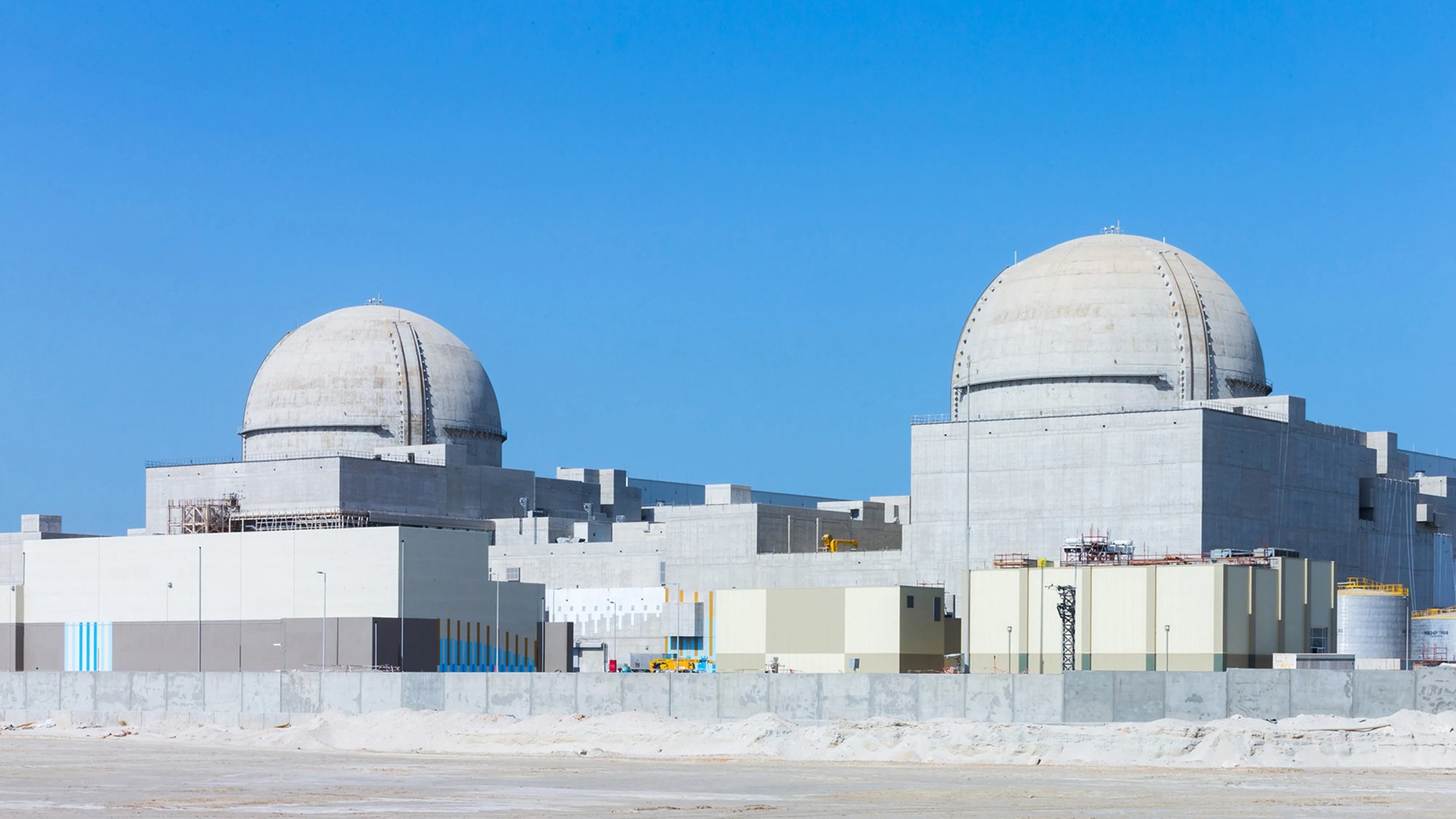
The Barakah nuclear power plant has four reactors and can produce up to 40 terawatt hours of electricity in a year. “Barakah” in Arabic means blessing. Construction started on the plant in 2012. Each reactor was brought online individually to test for safety and reliability. As of 2024, all four reactors are operational, making the Barakah nuclear facility the first one in the region to be up and running full time.
Nuclear power is a surprising choice for the UAE, considering that the country has large resources of natural gas and oil. However, the knowledge that fossil fuels and nonrenewable sources will eventually run out has even countries in the Arab world on edge. The global energy crisis will one day reach Dubai and Abu Dhabi too, and the UAE wants to make sure people have options before it’s too late.
This desert-based nuclear generator is scheduled to fill as much as 25% of the UAE’s electricity needs
The UAE uses four times as much electricity as the whole country of New Zealand. The presence of AC units everywhere combined with mega-cities such as Dubai results in huge electricity expenditures. The Barakah nuclear power generators supposedly can produce up to 25% of the UAE’s energy quota. The electricity the plant generates will be used for civic and industrial purposes.
It wasn’t easy for the UAE to get its power grid ready to accept nuclear power. Building new infrastructure took a long time, but the nuclear power plant is now operating successfully. Certain industries are already receiving electricity generated by the plant, including Abu Dhabi National Oil Company, Emirates Steel, and Emirates Global Aluminium. This move helps the country gain more energy security, which is important in a very volatile energy market.
Japan’s nuclear disaster turned the world off of this energy source, but things are changing in the Arab world
The Fukushima disaster of 2011 in Japan turned most of the world against nuclear power. Even though nuclear power is extremely efficient, it runs at such high temperatures that the risk of explosion is much greater than with other generators. Even more dangerous is the presence of radioactive material, which is the waste product of nuclear facilities.
In the Arab world, plans to invest in nuclear generators continued even after the tragedy in Fukushima. Fortunately, Arab countries such as the UAE aren’t prone to earthquakes and tsunamis, which is what took down Japan’s reactor. The UAE also invested in the newest and safest nuclear reactor technology to ensure that no such disasters could happen in the future. The benefits of using nuclear power seem to be outweighing the potential risks for countries like the UAE.
The Barakah nuclear power plant in the United Arab Emirates has changed the landscape of energy production in the Arab world. Saudi Arabia, the world’s largest oil exporter, has announced that nuclear power investment is a top priority for the future. As the well of fossil fuels runs dry, more of the world will have to transition to renewable or greener energy solutions.