Illustration of a newly emerging technology – Hyperloop allowing travel between two cities, London and New York, in utmost around an hour. This could be just the latest news in what seems to be a science fiction book, but it’s just a promise of such technology. Perhaps an even more outlandish visions to come about in the future is the scheme dubbed “Transatlantic Tunnel,” but how before it might become a reality?
Imagineering: The ‘Transatlantic Tunnel’ in the historical perspective
It is not an idea that has just suddenly struck the minds of people. For years and years, people have dreamed of a tunnel linking the two global powerhouses. For ages, engineers and visionaries have beamed up this idea: a tunnel across the Atlantic Ocean.
Not like traditional trains, the futuristic design relies on vacuum tubes. Trains may use a pressurized vacuum environment to travel fast enough that speeds approaching 3,000 mph might be possible without air resistance and under the type of conditions that are unnatural with conventional rail systems.
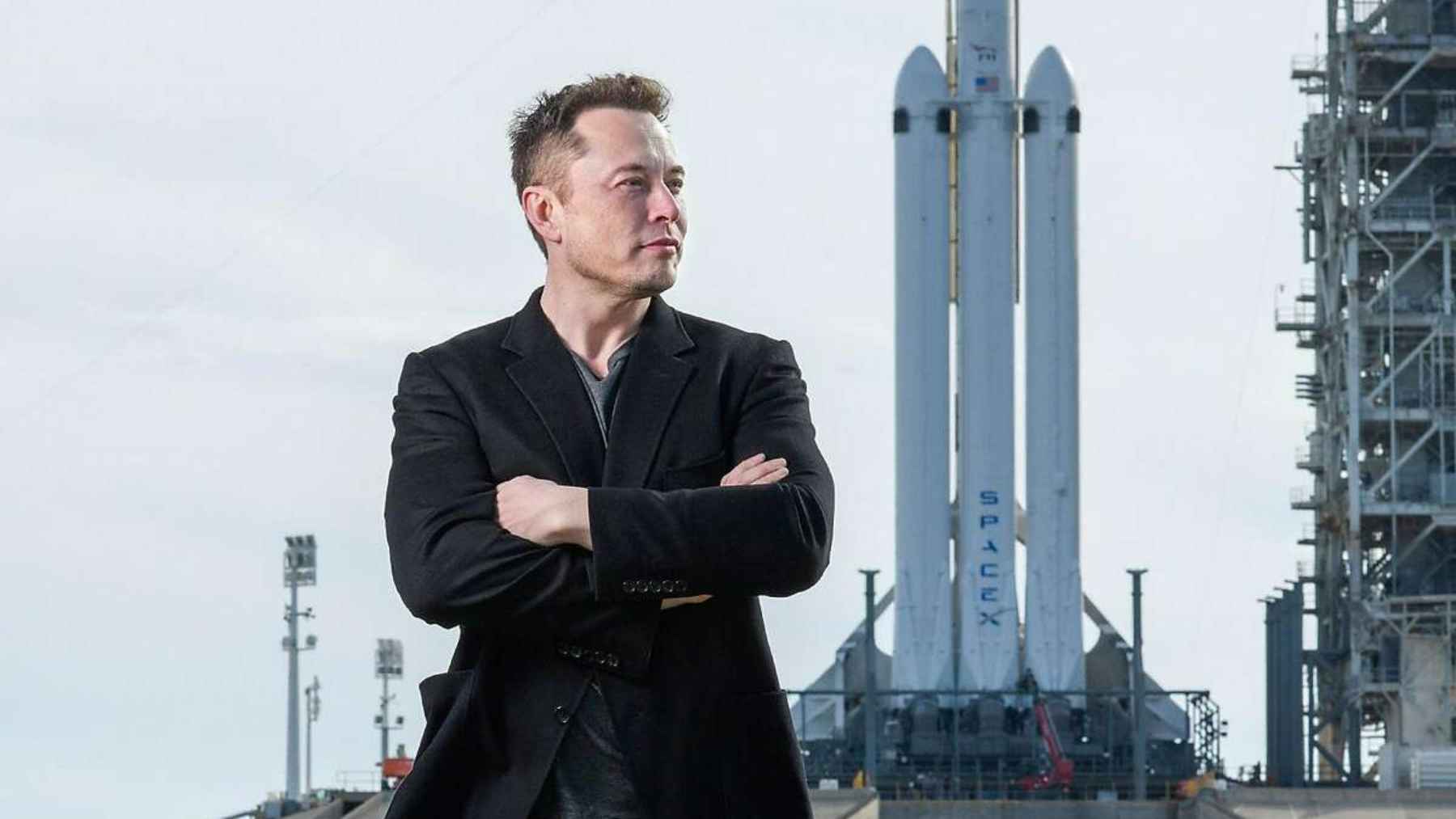
Elon Musk, the brain behind hyperloop technology, had his first vision on this idea in 2013. Capsules traveling in vacuum-sealed tunneling would take a mere 60 minutes to connect London with New York to that degree. The multi-billionaire further proves his vision through student contests and investments via his tunneling company, The Boring Company. Nevertheless, the challenges are indeed stupendous.
Constructing a tunnel of over 3,000 miles below the sea would entail heavy logistical, financial, and engineering problems. It is a staggering amount-making for an overall price tag $20 trillion, which just about makes it one of the most expensive infrastructure projects ever seen.
Hyperloop technology: Break free from friction and air resistance
This innovation by hyperloop technology does not use conventional railways, which require operation to be affected by friction and air resistance. Instead, hyperloop trains operate in a vacuum free of such limitations in travel speeds.
The capsules traveling within these tunnels would be pressurized and levitated magnetically, granting full affordability of the smoothness and speed of their travel. It is already being piloted across countries like India and China, where hyperloop systems form part of their national rail integrations.
Trials of this kind show glimpses of what may be possible, on what could be a transatlantic scale. Should it prove successful, hyperloop technology promises to change the landscape of long-distance travel by not only being a fast alternative but also a greener one than flying.
However, the feasibility of constructing a transatlantic Hyperloop is still debatable. Proposals for such an endeavor contrast dramatically, from constructing a tunnel under the seabed to floating a tube that would be held by cables anchored to the ocean floor. Each of these options has its own engineering challenges, and none have yet gone to the construction phase.
The ‘Transatlantic Tunnel’: An impossible dream of tremendous difficulties
The Transatlantic Tunnel is a dream of tremendous proportions, but it is not entirely unproblematic. The cost of the project alone is enough to derail even the most avid supporter. Estimated to take a construction period of several hundred years, as with that of the Channel Tunnel, it’s clear this is not something we would be expecting at the end of the day.
In addition, the technicalities are extremely huge. The tunnel must endure pressure as high as those found in oceans, seismic activities, and the effect of wearing out through time. Innovations in the science of materials and construction techniques will bring this project closer to reality. But then again, the benefits will obviously outweigh these challenges.
A transatlantic hyperloop will transform trade, tourism, and the connectivity dimension between both sides, drastically reducing the carbon footprint transatlantic travel would otherwise have. With growing environmental issues, this increases the urgency of applying more sustainable alternatives to air travel, thus making such projects much more pertinent.
Its vision may now seem science fiction. Yet ever-improving technology has brought it closer to reality. The groundwork has been laid for a new era of travel by visionaries and successes like Elon Musk in hyperloop trials. It may not develop into a true tunnel in our lifetimes. Still, the dream inspires innovation and raises the question of whether tomorrow travel may be just an hour away. Only time will tell.