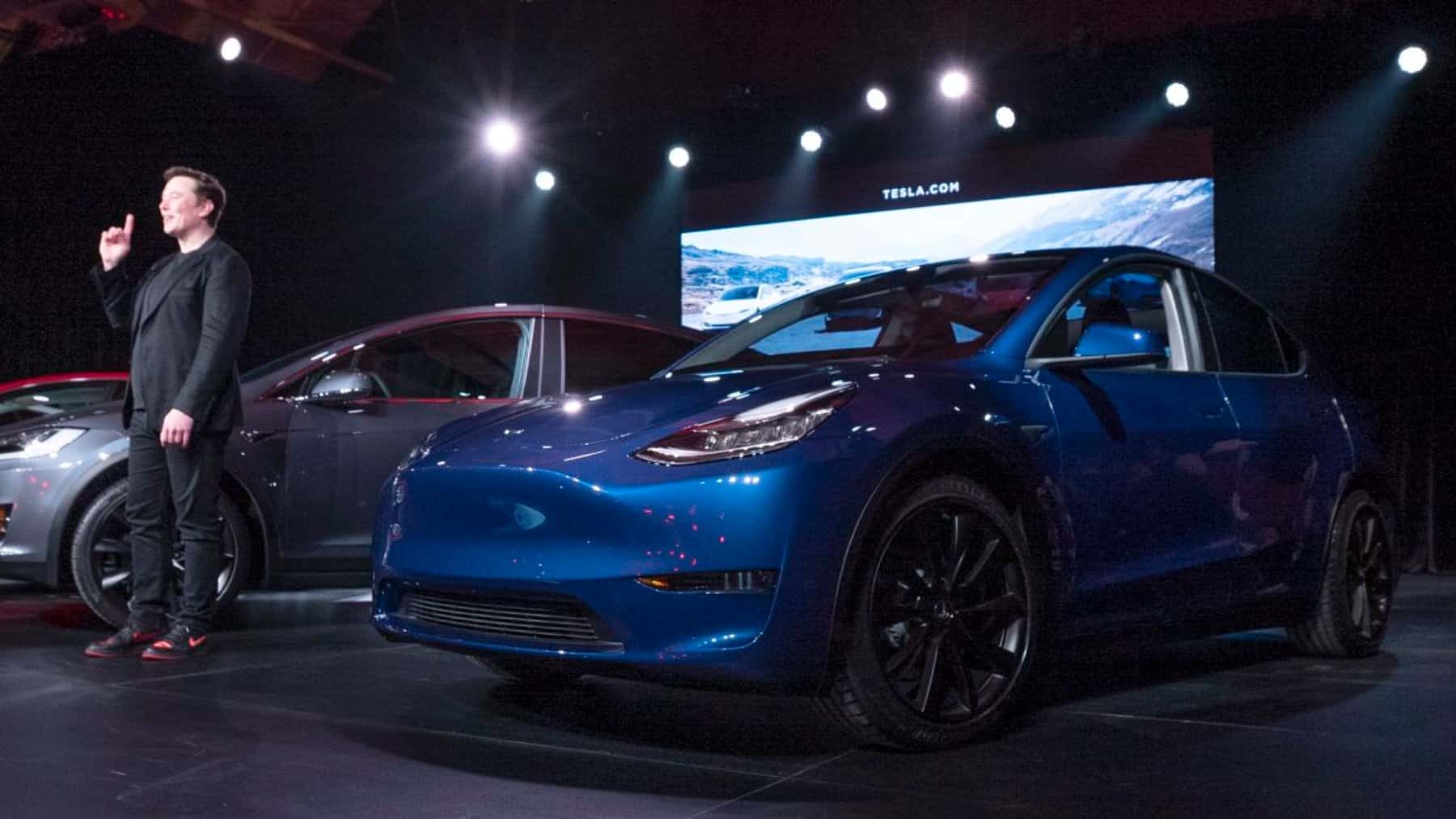
The electric engine has taken the automobile world by storm, with American electric vehicle developer Tesla often being hailed as a pioneer of the technology. With the release of their first electric vehicle in 2008, Tesla has made a significant impact on the rest of the automobile world when it comes to pushing towards advanced alternative engine solutions. However, while most major automobile companies have placed their bets on electric vehicle technology, some innovators are continuing to explore other options.
Tesla catapults the electrical engine into history
Tesla has all but dominated the electric vehicle scene for the past two decades. With popular vehicles such as the Model Y, Model 3, and Model S, the company has successfully managed to market electric engines not just as sustainable initiatives, but also as luxurious and desirable technology. Further, their advanced battery engine technology pushed the limits of what was thought possible for alternative engine solutions, showcasing that a world without the internal combustion engine did not have to sacrifice performance.
Following Tesla’s success, major automobile companies now all offer their own alternative engine solutions in order to remain competitive and relevant for a consumer base that is growing increasingly more concerned about the current climate crisis. However, while the electrical engine remains the most popular alternative engine solution seen on the road (particularly plug-in hybrid options), other automobile manufacturers and innovators are exploring other sustainable solutions in order to diversify engine offerings.
Hydrogen-powered Tesla was unveiled to the world
To demonstrate what the world of alternative engine solutions has to offer beyond just pure electrical engine technology, German Federal Research Minister Anja Karliczek and her team unveiled a Tesla Model Y vehicle in 2021, which was converted to be powered on synthetic methanol– a concept which is based on “green hydrogen” technology.
“Climate protection can only succeed with green hydrogen. That’s why we are already providing massive support for research into the use of green hydrogen, although efforts will have to be stepped up again in the coming years. Especially in industry and transportation, we will continue to need chemical energy sources in the future. Not all industrial processes can be completely decarbonized. CO2 will continue to be produced. We need solutions for this,” said Karliczek at the vehicle’s unveiling in 2021
While Tesla CEO Elon Musk has previously been vocal about his lack of support for hydrogen-powered vehicles, and never commented on the German project at the time, projects like the converted Model Y vehicle from three years ago by the German Research Institute are not the only entities that have explored the possibilities of hydrogen technology for automobiles. While electrical engines currently dominate the passenger vehicle world, hydrogen engines have been singled out for their potential in other transportation sectors.
Hydrogen engines are a complement to electrical engines
The aviation industry and long-haul trucking industry are two such sectors of the transportation world that have been noted for providing increased opportunities when it comes to hydrogen-engine technology. This is because electrical engines are not feasible for these two sectors, due to the density of batteries which would be required to power an aircraft and the charging requirements for long-haul trucking.
Hydrogen offers an attractive solution to these two flaws, whereby it would meet the weight requirements for aircraft and does not require the same degree of charging demands as battery engine technology does. However, some automobile developers have not given up on the technology in the passenger vehicle world just yet. Toyota has long been a pioneer and proponent of the technology, with their flagship hydrogen-powered vehicle, the Mirai, continuing to be pushed towards consumers by the Japanese automobile developer.
Disclaimer: Our coverage of events affecting companies is purely informative and descriptive. Under no circumstances does it seek to promote an opinion or create a trend, nor can it be taken as investment advice or a recommendation of any kind.